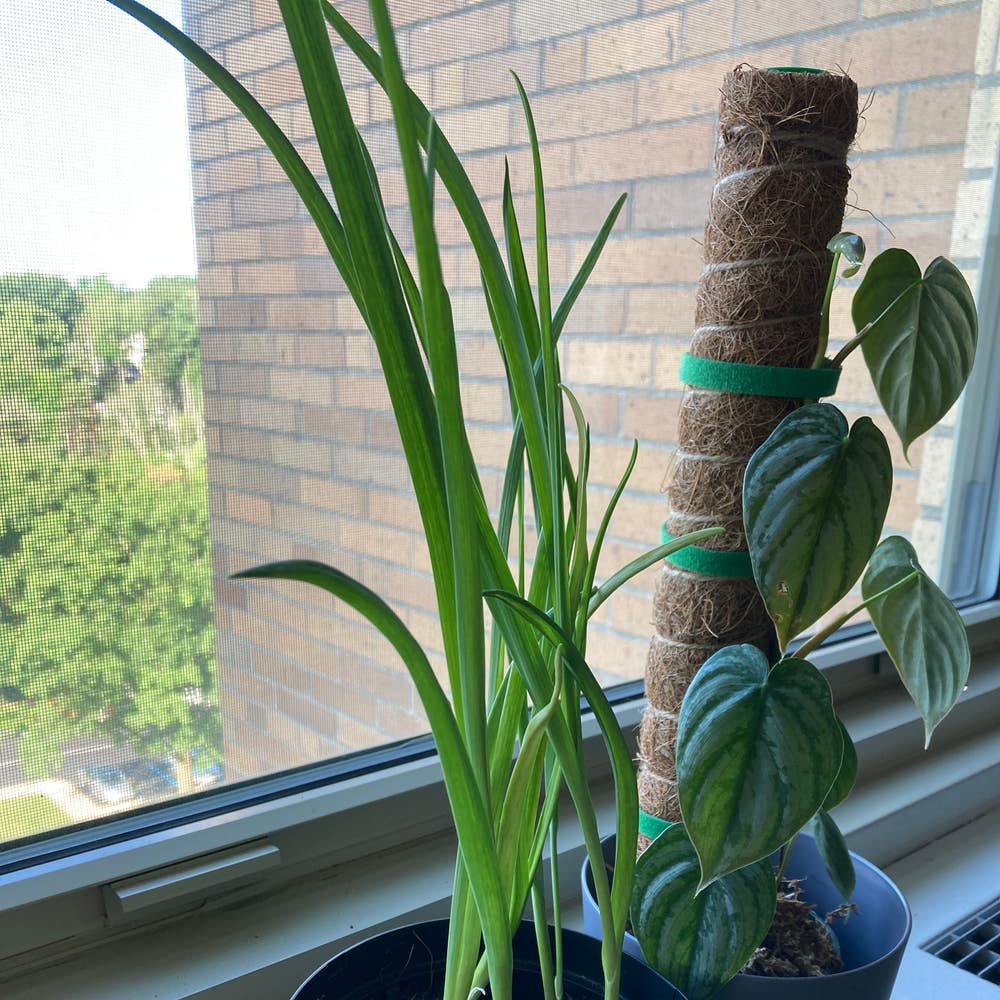
Garlic Is an Annual
Allium sativum
By the Greg Editorial Team
Jul 22, 2024•4 min read
This article was created with the help of AI so we can cover more plants for you. May contain errors. See one? Report it here.
Leverage garlic's resilient annual cycle 🌱 for a bountiful, adaptable garden harvest year-round. 🌿
- Garlic completes its lifecycle in a single season, ready for harvest in about 8 months.
- Adaptable and resilient, garlic thrives across climates and optimizes resources for bulb development.
- Strategic planting enhances yield: Utilize fall planting, companion crops, and succession planting.
Garlic's Annual Lifecycle
🌱 Growth and Reproduction
Garlic's growth cycle is a marvel of efficiency, aligning perfectly with the hallmarks of an annual plant. Here's how it unfolds:
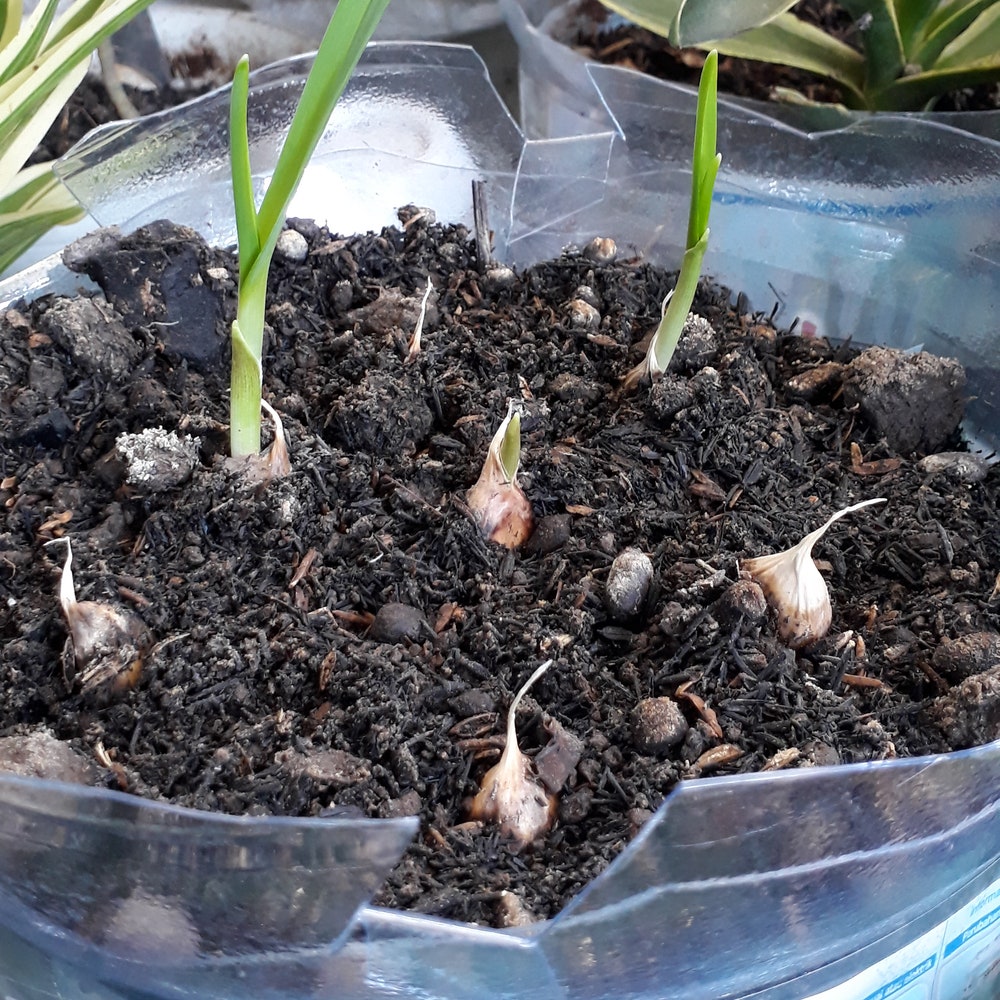
- Germination: After planting, garlic cloves sprout and begin their journey, typically lasting 1-2 months.
- Development: The plant progresses through stages of green garlic and scapes, eventually forming young bulbs.
- Maturity: Approximately 8 months post-planting, garlic bulbs reach maturity, ready for harvest.
This vegetative reproduction ensures genetic consistency, with each clove producing a new bulb identical to the parent.
🌿 Seasonal Adaptation
Garlic's ability to sprint through its lifecycle within a single season is nothing short of remarkable. It's a survivalist, adapting to a variety of climates and daylengths:
- Photoperiod Sensitivity: Garlic thrives under prolonged daylight and temperatures above 20 degrees, optimizing bulb development.
- Cold Weather Strategy: In colder regions, garlic plants establish a robust root system over winter, ensuring a burst of growth come spring.
Garlic's lifecycle is a testament to its resilience, making it a staple in gardens worldwide.
Genetic Traits of Garlic
🌱 Defining Characteristics
Garlic's genetic makeup is a tapestry of traits that dictate its annual cycle. Each clove, a clone of its parent, is packed with potential to sprout a new plant. This vegetative propagation ensures genetic consistency, a hallmark of garlic's cultivation. The plant's ability to thrive hinges on its genotype, which is finely tuned to its environment, influencing everything from flavor to bulb quality.
- Genotype-environment interaction determines bulb composition and quality.
- Vegetative propagation through cloves maintains genetic consistency.
🌸 Flowering and Seed Production
Garlic's annual rhythm is orchestrated by its genetic programming, culminating in a precise flowering and seeding phase. While often propagated asexually, garlic can produce a scape, which if left to mature, yields bulbils and occasionally true seeds. These reproductive strategies are influenced by factors like daylength and temperature, underscoring the plant's adaptability.
- Flowering scapes and bulbils are part of garlic's sexual reproduction.
- Environmental factors like photoperiod and temperature affect reproductive development.
Garlic's Annual Advantages
🌿 Environmental Adaptability
Garlic's annual lifecycle is a masterclass in adaptability, providing it with a competitive edge in diverse environments. Here's how:
- Garlic's rapid growth cycle allows it to outpace many perennials, taking full advantage of available resources.
- By completing its life in a single season, garlic avoids the long-term challenges of pests and diseases that often plague perennials.
- The plant's ability to be cultivated in various climates, from cold Vermont winters to temperate regions, showcases its remarkable environmental flexibility.
💡 Resource Optimization
Garlic's knack for resource optimization is key to its survival and reproductive success within its annual lifecycle:
- It strategically allocates energy towards bulb development, ensuring a robust next generation.
- The plant's preference for well-drained soil and moderate watering aligns with its need to balance growth with resource conservation.
- Garlic's flavor intensity can be influenced by nutrient availability, with sulfur playing a pivotal role in its pungent taste.
Making the Most of Garlic's Annual Nature
🌱 Planting Strategies
Garlic's unique growth cycle offers gardeners a chance to optimize their yields. Here's how to make the most of it:
- Fall Planting: Capitalize on garlic's preference for a cool-season start by planting in the fall. This allows for a robust root system to develop over the winter, setting the stage for vigorous spring growth.
- Strategic Positioning: Choose a sunny spot with fertile, well-drained soil. Space your cloves at least 8 inches apart to prevent competition and promote sizable bulb development.
- Companion Planting: Integrate garlic into your garden by planting it alongside compatible crops. Carrots, for instance, can be sown between garlic rows, benefiting both plants.
🌾 Extending the Harvest
To enjoy garlic throughout the year, consider these tips:
- Succession Planting: Use succession planting calculators to plan your garden layout. After harvesting garlic in mid-summer, you can replant the area with a quick-growing crop like carrots.
- Vernalization: For an earlier harvest, try vernalizing your garlic cloves by refrigerating them before planting. This can trick the plant into developing more quickly.
- Crop Rotation: Keep your garlic beds disease-free and fertile by rotating your crops annually. This practice also helps manage pests that have a particular taste for garlic.
By embracing these strategies, gardeners can enjoy a bountiful garlic harvest and a garden that thrives year-round.
⚠️ Safety First
This content is for general information and may contain errors, omissions, or outdated details. It is not medical, veterinary advice, or an endorsement of therapeutic claims.
Always consult a qualified healthcare professional before using any plant as food, medicine, or supplement.
Never eat any plant (or feed one to pets) without confirming its identity with at least two trusted sources.
If you suspect poisoning, call Poison Control (800) 222-1222, the Pet Poison Helpline (800) 213-6680, or your local emergency service immediately.
Spotted an error? Please report it here.
Achieve a bountiful garlic harvest 🧄 with Greg's personalized reminders to perfectly time your plantings and harvests, ensuring a continuous and flavorful yield!