What Temperature Does My Garlic Need?
Allium sativum
By the Greg Editorial Team
Jun 18, 2024•4 min read
This article was created with the help of AI so we can cover more plants for you. May contain errors. See one? Report it here.
Unlock your garlic's full potential by mastering its precise temperature needs for a thriving harvest. 🌡️🌱
- Garlic thrives in cool phases: 50°F-60°F sprouting, 60°F-65°F bulking, <80°F pre-harvest.
- Watch for stress signs: Wilting and mushy spots mean temperature trouble.
- Mulch and covers regulate temps: Use them to protect and maintain consistent growth conditions.
Garlic's Goldilocks Zone: Ideal Temperature Range
Garlic demands its own version of a Goldilocks climate to thrive. Let's break down the ideal temperature ranges for each growth phase.
🌱 Sprouting to Green Shoots: Early Growth Temperatures
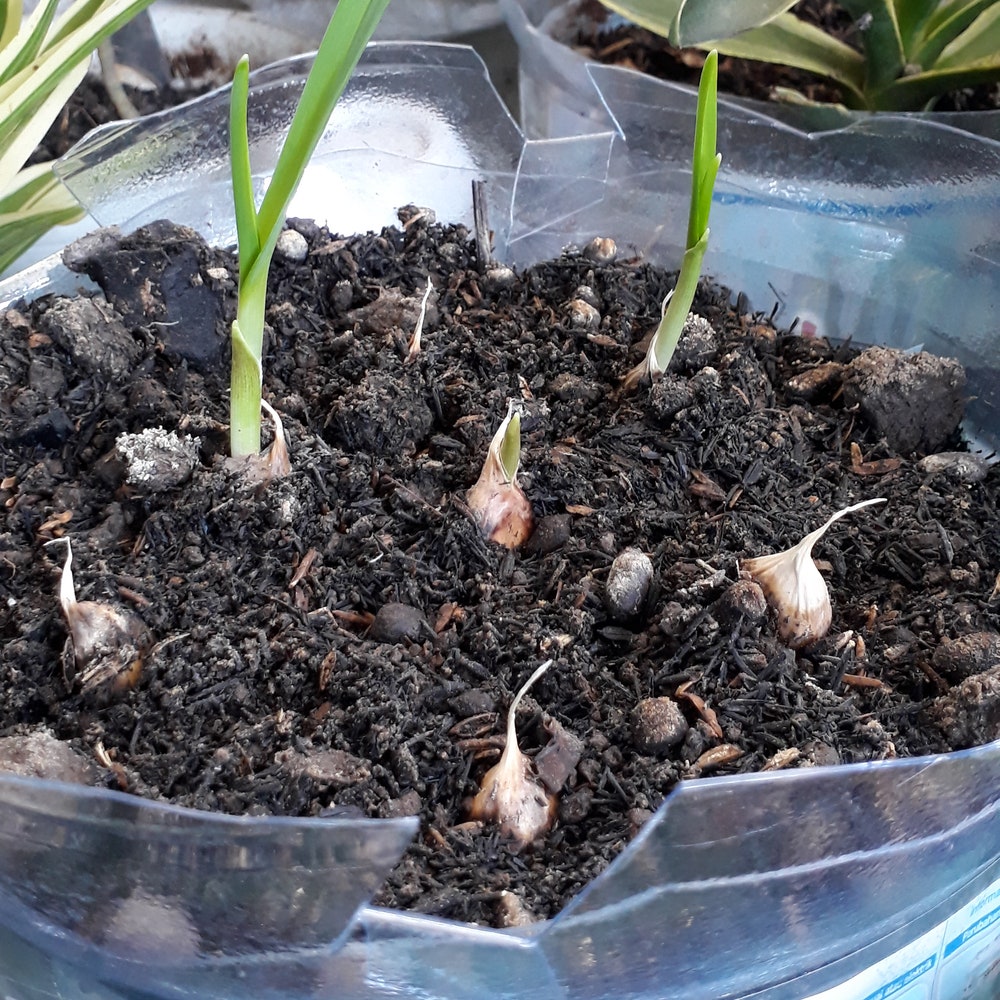
During the initial sprout to green shoot phase, garlic prefers it cool but not cold. Aim for soil temperatures hovering around 50°F to 60°F (10°C to 15.6°C). This chilliness encourages the cloves to break dormancy and start their journey upward.
💪 Bulking Up: Temperatures for Bulb Development
As garlic bulbs start to bulk up, they're like sunbathers: they enjoy warmth but don't want to roast. The sweet spot is between 60°F and 65°F (15.6°C to 18.3°C). Exceed this, and you risk the garlic bolting, which is akin to a premature victory lap that ends in seed setting instead of bulb fattening.
🌡️ Pre-Harvest: Late Growth Temperature Needs
In the pre-harvest stretch, garlic still prefers it on the cooler side. Maintain air temperatures just shy of 80°F (26.7°C) to prevent the bulbs from getting heatstroke. If the mercury climbs higher, garlic might stop growing, like a disgruntled employee on a hot day.

Spotting Trouble: Signs of Temperature Stress in Garlic
🌡️ Wilting Woes: Recognizing Overheated Garlic
Garlic doesn't enjoy a sauna. Wilting leaves are your first clue that your garlic is too hot under the collar. If the foliage starts resembling crispy autumn leaves, it's time to dial down the heat. Overexposure to high temperatures can lead to leaf scorch, where edges turn brown and papery. It's the plant equivalent of a bad sunburn.
❄️ Chilled to the Bulb: Symptoms of Cold Stress
Conversely, garlic can get too cool for comfort. Mushy spots on leaves signal a chill that's more than your plants can handle. Cold stress may manifest as stunted growth; your garlic is basically putting on its winter coat and refusing to grow. Frost damage is another cold-hearted villain, leaving foliage looking like it's been kissed by Jack Frost, and not in a good way.
📉 The Consequences: How Temperature Extremes Affect Yield
Let's talk about the fallout. Temperature tantrums can lead to reduced yields and bulbs that are more "meh" than magnificent. Heat stress might cause your garlic to bolt, sending up a flower stalk as a distress flare. This saps energy from bulb development, leaving you with smaller cloves. Cold stress, on the other hand, can delay or completely halt bulb formation. It's a lose-lose situation if temperatures aren't kept in check.

From Frost to Scorch: Preventing Temperature Stress
❄️ Battling the Frost: Tips for Cold Protection
Garlic doesn't do well with cold feet. Insulate your garlic beds with a thick layer of mulch to fend off frostbite. When the mercury dips, consider using row covers; they're like cozy blankets for your bulbs. A fabric that's 0.6 ounces per square yard can bump up the temperature by a few critical degrees.
☀️ Beating the Heat: Strategies for Cooling Down
Scorching sun can turn your garlic into toast. Shade cloth is your ally here, providing a sunblock for sensitive greens. Watering in the early morning can be a game-changer, giving plants a head start against the heat. And don't forget about your soil's thirst—maintaining moisture helps keep the ground temperature down.
🌡️ Consistency is Key: Avoiding Temperature Fluctuations
Garlic prefers a steady relationship, not a rollercoaster. Keep your eyes glued to the thermometer and shield your plants from drafts and hot spots. Think of it as setting the mood—stable and predictable. If you're dealing with larger areas, consider engineering controls like ventilation systems to manage the climate. Remember, when it comes to temperature, garlic is looking for a long-term commitment.

Garlic Temperature Mastery: Practical Tips and Tricks
⏰ Timing is Everything: When to Plant and Harvest
Planting garlic at the right time is crucial for optimal growth. In cooler climates, plant in the fall before the ground freezes. This allows for root development and ensures a robust spring growth. Harvest typically occurs in summer when the lower leaves start to brown.
🌱 Mulch Magic: Using Mulch to Regulate Soil Temperature
Mulch is a garlic grower's best friend. It regulates soil temperature, retains moisture, and suppresses weeds. Apply it around your garlic, but keep it clear of the stalks to prevent rot. Organic mulch like straw or leaves is ideal.
🛡️ Cover Up: The Benefits of Row Covers and Shade Cloth
Row covers protect garlic from frost, while shade cloth shields it from intense sun. These tools create a microclimate that can prevent temperature stress. Just ensure there's enough airflow to avoid overheating.
🌡️ Quick Check: Monitoring Soil and Air Temperature
Keep tabs on soil and air temperature with a thermometer. This helps you adjust care practices in real-time. For garlic, aim for a soil temperature between 55°F and 75°F for most of the growing season.
⚠️ Safety First
This content is for general information and may contain errors, omissions, or outdated details. It is not medical, veterinary advice, or an endorsement of therapeutic claims.
Always consult a qualified healthcare professional before using any plant as food, medicine, or supplement.
Never eat any plant (or feed one to pets) without confirming its identity with at least two trusted sources.
If you suspect poisoning, call Poison Control (800) 222-1222, the Pet Poison Helpline (800) 213-6680, or your local emergency service immediately.
Spotted an error? Please report it here.
Keep your garlic happy and hearty 🌡 with Greg's custom care reminders, ensuring the perfect temperature for each growth phase and a bountiful harvest.