🧄 Growth Rate of Allium sativum
Allium sativum
By the Greg Editorial Team
Jul 22, 2024•5 min read
This article was created with the help of AI so we can cover more plants for you. May contain errors. See one? Report it here.
Unlock the full potential of your garlic crop 🌱 with insights into its life cycle and growth secrets.
- 🌱 Garlic germinates in well-drained soil with moisture, warmth, and quality cloves.
- 🌞 Sunlight and nutrients are vital for leaf and bulb development.
- 📅 Garlic matures in 8-10 months, influenced by environmental and genetic factors.
Germination Process
🌱 Seed/Clove Planting
Garlic begins its journey with the planting of a clove. Here's what it needs to kickstart its life:
- Moisture: Consistent and adequate moisture is crucial for initiating germination.
- Temperature: A cool but not freezing temperature is ideal to encourage sprouting.
- Soil Conditions: Well-drained, fertile soil sets the stage for successful germination.
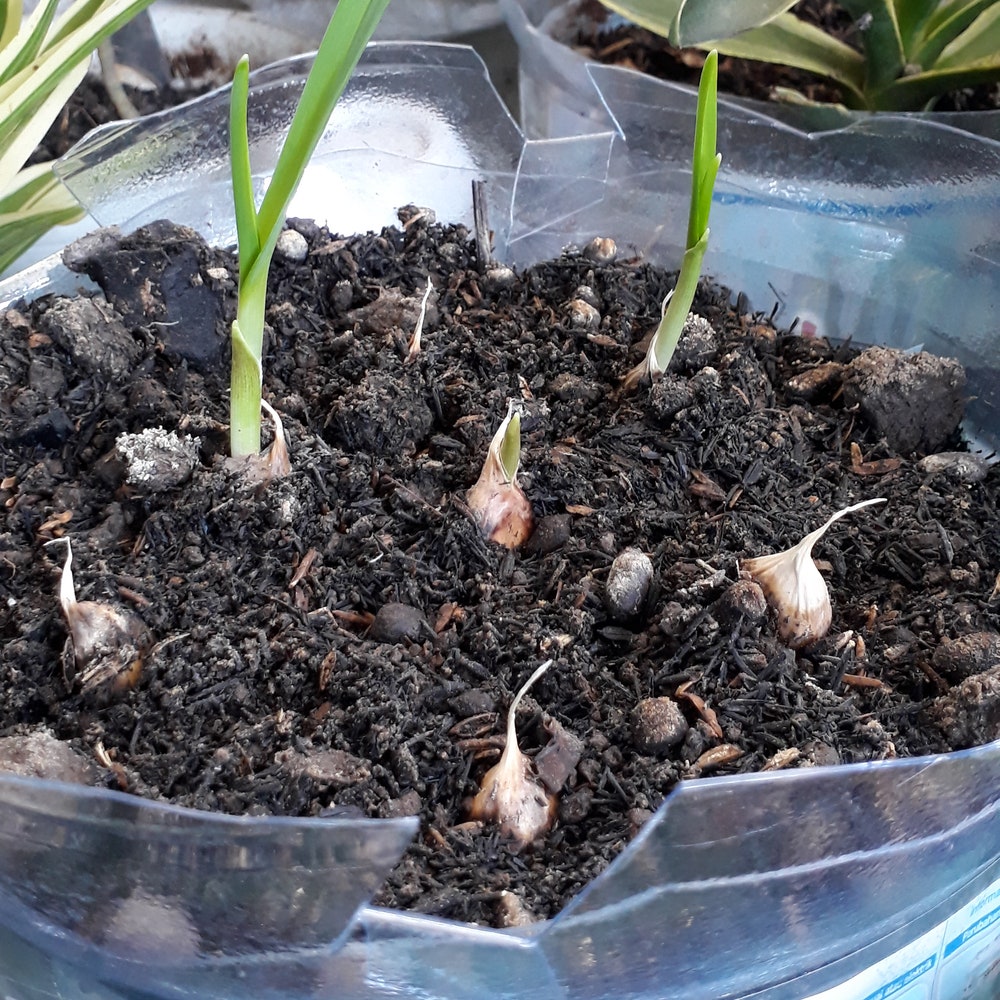
The germination process typically takes a few weeks, with early growth indicators such as the emergence of green shoots signaling the start of a new garlic plant.
🚀 Early Growth Factors
Several factors influence how quickly garlic moves from clove to sprout:
- Seed Clove Quality: Larger cloves often have more energy reserves, leading to more vigorous early growth.
- Temperature Treatment: Exposing cloves to low temperatures before planting can speed up sprouting and early development.
- Light Exposure: While garlic doesn't need light to germinate, subsequent exposure is vital for healthy shoot growth.
Seedling Development
🌱 Seedling Care
After the cloak of the seed breaks open during germination, Allium sativum begins its journey as a seedling. This stage is marked by the appearance of the first true leaves, which is a testament to successful germination. The growth rate at this point is influenced by several factors:
- Adequate light exposure is critical for the seedling's development.
- Protection against fungal threats is essential to ensure healthy growth.
- Regular monitoring for pests, although they are not usually a significant issue in a controlled nursery environment.
🌍 Environmental Impact
The environment plays a pivotal role in the growth and development of Allium sativum seedlings. Various factors contribute to a seedling's ability to thrive:
- Temperature: Seedlings require a stable temperature range to avoid stress and stunted growth.
- Soil conditions: The quality of the soil, including its nutrient content and drainage capabilities, impacts the seedling's health.
- Water: Consistent moisture levels are necessary, but overwatering can lead to waterlogged conditions that harm the seedling.
- Salinity: Seedlings have varying tolerances to salt stress, which can affect germination and early development.
Vegetative Growth
🌱 Leaf and Bulb Formation
Allium sativum's vegetative growth is a dynamic phase where the plant's energy is channeled into producing lush foliage and developing the bulb. Here's what happens:
- Leaves emerge, harnessing sunlight to fuel the plant's growth through photosynthesis.
- Bulb formation kicks in after a few robust leaves have sprouted, with the plant balancing its resources between vegetative growth and bulb development.
This stage typically spans several weeks, influenced by factors such as:
- Light: Adequate sunlight is crucial for vigorous growth and the transition to bud formation.
- Nutrients: A rich soil with organic matter promotes leaf expansion and bulb size.
- Water: Consistent moisture ensures steady growth, but overwatering can hinder bulb development.
🌿 Preparing for Maturation
As Allium sativum edges closer to maturity, subtle yet significant changes mark the preparation for the next growth stages:
- The plant's foliage may begin to dry from the bottom up, a natural progression as energy is redirected.
- Environmental cues, including day length and temperature, signal the plant to start focusing resources on the upcoming reproductive cycle.
Understanding these vegetative nuances is key to appreciating the intricate journey from sprout to mature garlic.
Flowering and Reproduction
🌸 Flowering Stage
Garlic's flowering stage is a pivotal moment in its life cycle. This phase sees the emergence of a long, central stalk known as a scape, which culminates in the formation of bulbils and, occasionally, flowers. The duration of this stage can vary, but typically, it spans several weeks during the late spring to early summer.
- Scape Emergence: Marks the beginning of the reproductive phase.
- Bulbil and Flower Development: Bulbils form at the scape's tip, and flowers may develop.
- Duration: Lasts from a few weeks to over a month, depending on conditions.
🌱 Reproductive Success
The success of Allium sativum's reproduction hinges on several factors that influence pollination and seed set. While garlic often propagates through its cloves, seed production can occur and is affected by:
- Environmental Conditions: Temperature and photoperiod can significantly impact flowering and pollination.
- Pollinator Activity: The presence and activity of pollinators are crucial for successful seed set.
- Plant Health and Size: A robust plant is more likely to attract pollinators and produce viable seeds.
Understanding these factors is essential for anyone looking to cultivate garlic and ensure a healthy crop.
Maturation and Lifespan
🌱 Time to Maturity
Garlic, or Allium sativum, doesn't rush its growth; it savors the seasons. From the moment you plant a clove, the journey to full maturity spans approximately 8 to 10 months, depending on the variety and environmental conditions. Here's a quick glimpse at the timeline:
- Seed/Clove Planting to Germination: 1-2 weeks
- Seedling Development: 4-8 weeks
- Vegetative Growth: 8-10 weeks
- Bulb Formation: Begins around the 3rd month, continues until harvest
- Harvest: Typically 8-10 months after planting
🌿 Lifespan and Growth Rate
The lifespan of Allium sativum is a testament to its resilience, often living up to its perennial nature in favorable conditions. While individual plants usually last through one growing season, garlic can self-propagate, allowing it to persist in your garden year after year. Here are the factors that play a role in its longevity:
- Genetics: Some varieties are hardier than others.
- Environmental Conditions: Temperature, light, and moisture are crucial.
- Soil Nutrients: Adequate nourishment can extend the plant's life.
- Disease Resistance: A robust immune system wards off pests and diseases.
Remember, while the leaves may wither, the bulbs can remain dormant in the soil, ready to spring to life when conditions are right.
⚠️ Safety First
This content is for general information and may contain errors, omissions, or outdated details. It is not medical, veterinary advice, or an endorsement of therapeutic claims.
Always consult a qualified healthcare professional before using any plant as food, medicine, or supplement.
Never eat any plant (or feed one to pets) without confirming its identity with at least two trusted sources.
If you suspect poisoning, call Poison Control (800) 222-1222, the Pet Poison Helpline (800) 213-6680, or your local emergency service immediately.
Spotted an error? Please report it here.
Ensure your garlic cloves reach their full potential 🌱 with Greg's tailored reminders for watering, sunlight, and nutrients, from planting to harvest.