🧄 Allium sativum Is an Annual
Allium sativum
By the Greg Editorial Team
Jul 22, 2024•4 min read
This article was created with the help of AI so we can cover more plants for you. May contain errors. See one? Report it here.
Maximize your garlic yield 🌱 by syncing with its unique annual lifecycle for a flourishing garden.
- 🧄 Allium sativum completes its cycle in one year, from planting to seed production.
- 🌱 Genetic and physiological traits determine garlic's growth, bolting, and bulb size.
- 📅 Cultivation success hinges on aligning gardening practices with garlic's annual nature.
Annual Lifecycle of Allium sativum
🌱 Growth and Development
Allium sativum, commonly known as garlic, completes its life cycle in one year, exhibiting distinct growth stages. Here's how it unfolds:
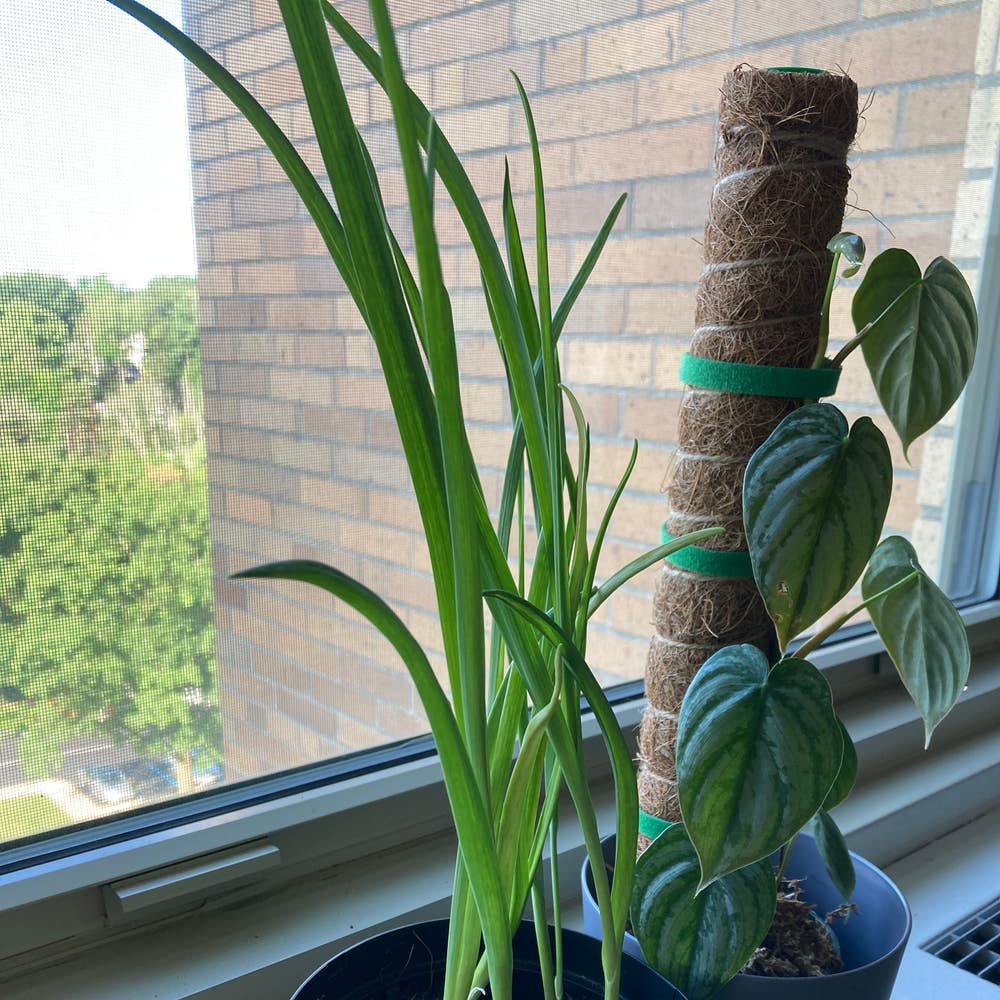
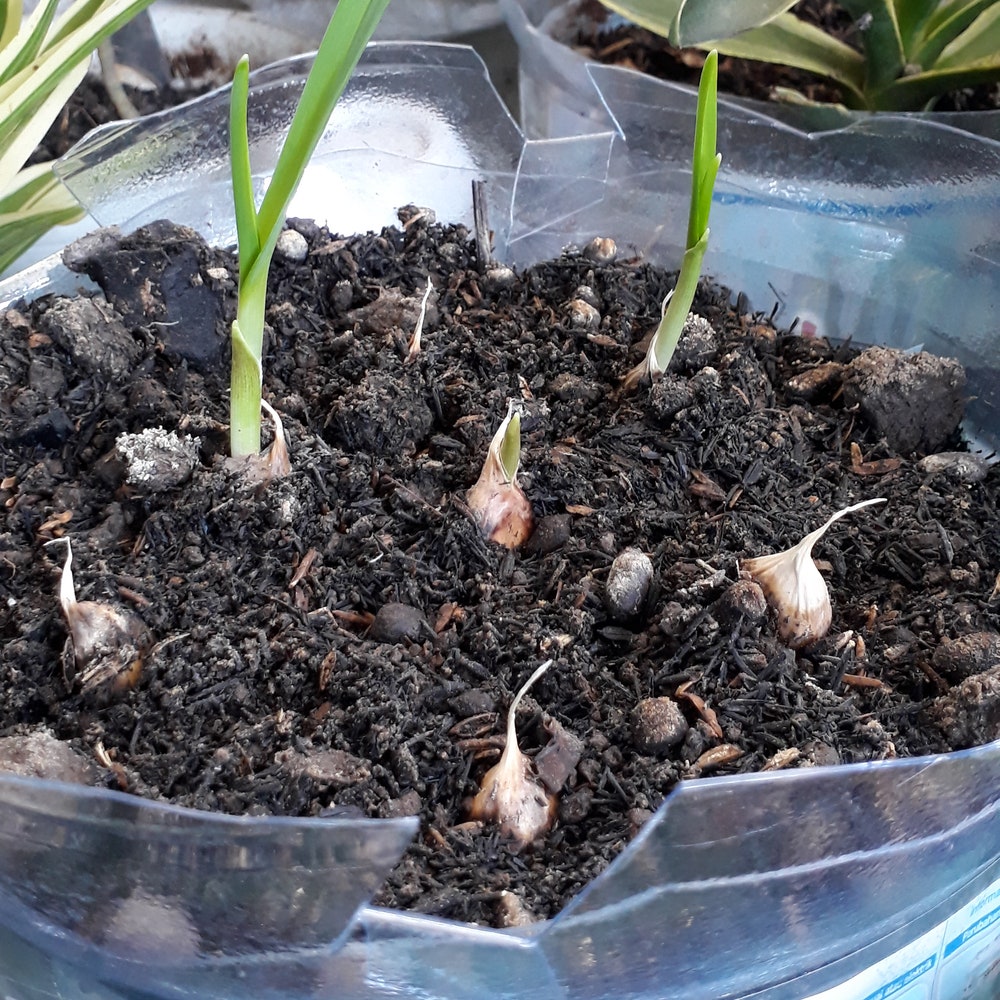
- Planting to Emergence: Garlic cloves are planted in the fall and undergo a dormant period. With adequate moisture and temperature, roots and shoots emerge, marking the start of vegetative growth.
- Vernalization: The onset of winter triggers vernalization, a crucial cold period that prepares garlic for bulbing and flowering.
- Spring Growth: As days lengthen and temperatures rise in early spring, garlic plants develop further, with proper bulbing reliant on the plant's growth, vernalization, and long daylight hours.
The relationship between temperature and photoperiod is complex, influencing when garlic forms storage leaves and bulbs, a process that varies by variety.
🌼 Reproduction and Seed Production
Garlic's reproductive process is intertwined with its annual growth pattern:
- Bolting Types: There are non-bolting, incomplete, and complete bolting types of garlic, each with different flowering and seed production behaviors.
- Flowering: After vernalization, some garlic varieties produce a flower stalk, or scape, which may contain sterile flowers and bulbils, contributing to garlic's propagation.
- Seed Production: While many gardeners propagate garlic using cloves, flowering types can produce seeds that require a period of cold stratification before germination.
Understanding these stages and garlic's response to environmental cues is essential for aligning gardening practices with its natural lifecycle.
Genetic Traits of Allium sativum
🌱 Genetic Basis for Annual Growth
Allium sativum, commonly known as garlic, has a genetic makeup that orchestrates its life as an annual plant. Its genetic characteristics are fine-tuned to complete its lifecycle—from seed to harvest—within a single year. Unlike its perennial relatives, which may live and produce for several years, Allium sativum invests all its resources into a one-time, robust growth and reproduction strategy.
- Softneck and hardneck varieties show different genetic tendencies for bolting and seed stalk formation.
- The genetic predisposition for bulb and clove size is influenced by the plant's vegetative growth phase before bulbing occurs.
🧬 Physiological Adaptations
To support its annual growth pattern, Allium sativum has developed specific physiological traits. These adaptations are crucial for its survival, ensuring it can grow, reproduce, and disseminate seeds efficiently within a single growing season.
- A complex relationship between temperature and photoperiod affects leaf formation and bulb development, with genetic variations influencing these responses.
- The plant's ability to adapt to the changing day length and temperatures is a testament to its physiological versatility, which is essential for its annual life cycle.
Environmental Adaptation and Advantages
🌿 Adapting to Environments
Allium sativum's annual growth cycle is a masterclass in environmental adaptation. Its ability to complete its life cycle within a single season allows it to swiftly adjust to diverse conditions.
- Varieties of Allium sativum may be spring-planted in temperate regions, taking advantage of long photoperiods.
- Soil type influences irrigation needs, with lighter soils requiring more frequent but less water per application.
🧬 Evolutionary Benefits
The annual nature of Allium sativum comes with evolutionary perks that have allowed it to thrive across various climates.
- Annuals like Allium sativum produce a copious amount of seeds, enhancing their survival rate.
- This prolific seed production can lead to several generations in one season, boosting genetic diversity and adaptability.
- As an annual, Allium sativum can quickly exploit favorable environmental conditions without the long-term commitment of perennials.
Cultivation Strategies for Gardeners
🌱 Planting and Harvesting Cycles
Allium sativum, commonly known as garlic, thrives when its annual lifecycle is respected. Here's how to sync your gardening efforts with its natural rhythm:
- Planting: For optimal growth, plant garlic cloves in the fall, about six to eight weeks before the first hard frost. This allows the cloves to establish roots while the soil is still warm.
- Harvesting: Garlic is ready to harvest when the lower leaves start to brown. This typically occurs in the summer, about eight months after planting. Harvest on a dry day to prevent mold and facilitate curing.
🌿 Extending the Growing Season
Maximizing garlic's yield involves extending its growing season. Here are techniques to get the most out of your crop:
- Mulching: Apply a thick layer of mulch after planting to protect the cloves from severe winter freezes and to retain moisture during dry spells.
- Microclimates: Create microclimates using cold frames or row covers to shield plants from early spring or late autumn frosts.
- Succession Planting: After harvesting garlic, use the space for a quick-growing crop like salad greens or radishes to get a second harvest from the same plot.
⚠️ Safety First
This content is for general information and may contain errors, omissions, or outdated details. It is not medical, veterinary advice, or an endorsement of therapeutic claims.
Always consult a qualified healthcare professional before using any plant as food, medicine, or supplement.
Never eat any plant (or feed one to pets) without confirming its identity with at least two trusted sources.
If you suspect poisoning, call Poison Control (800) 222-1222, the Pet Poison Helpline (800) 213-6680, or your local emergency service immediately.
Spotted an error? Please report it here.
Cultivate your garlic to perfection by tracking its annual cycle with Greg's 🧄 tailored reminders, ensuring you never miss a beat from planting to harvest.