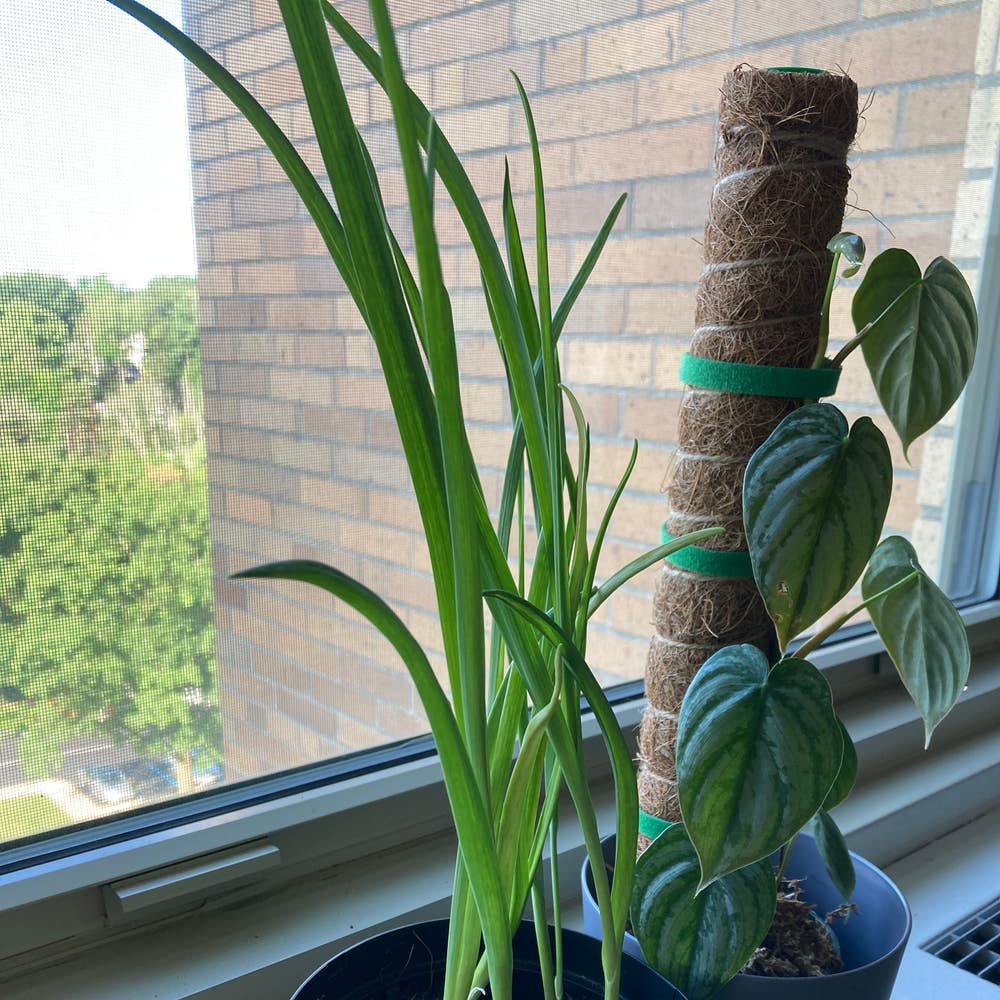
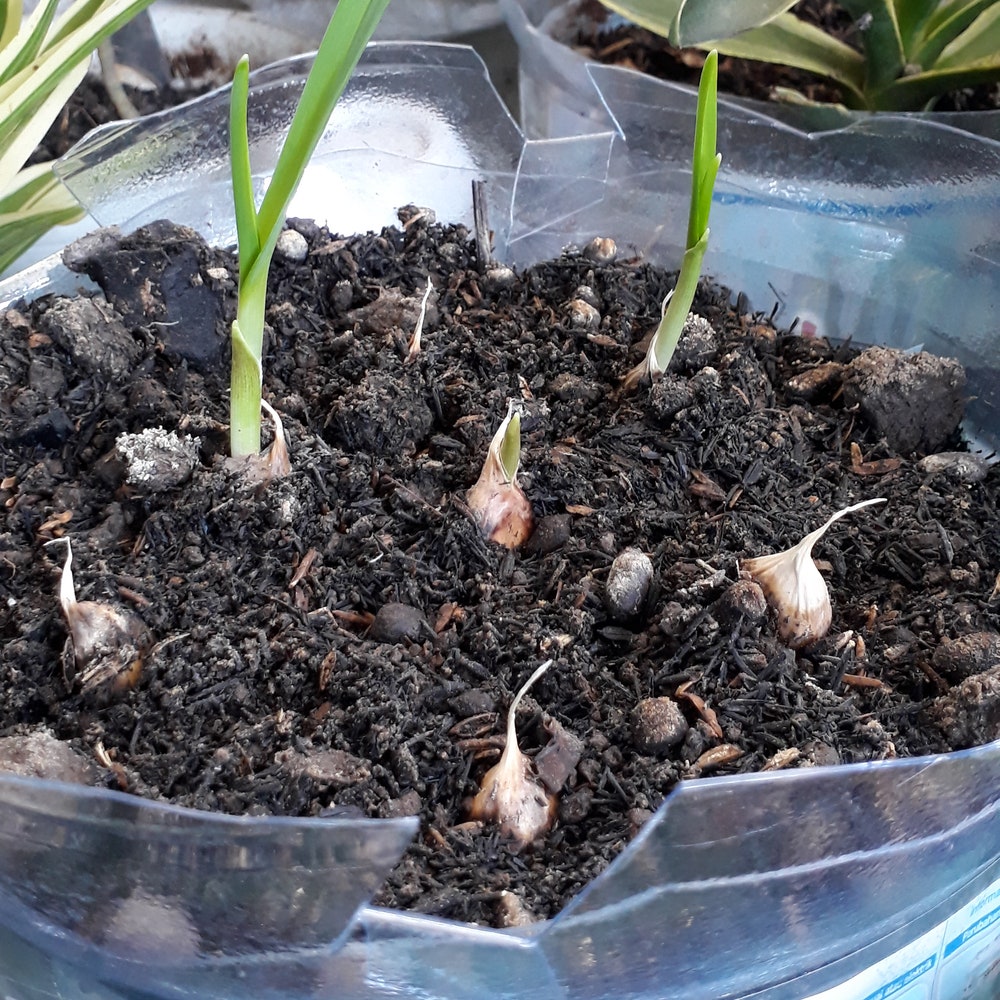
🧄 How Big Your Full Grown Allium sativum Can Get
Allium sativum
By the Greg Editorial Team
Jul 22, 2024•3 min read
This article was created with the help of AI so we can cover more plants for you. May contain errors. See one? Report it here.
Unlock your garlic's full flavor and size potential with these essential growth insights! 🌱🧄
- 🌱 Garlic grows 18-24 inches tall and spreads 6-12 inches, fitting various garden spaces.
- 🕒 Takes 8-9 months to mature, influenced by genetics and environment.
- 🌞💧 Full sun, well-draining soil, balanced nutrients optimize garlic size.
Mature Size Insights
📏 Typical Dimensions
Allium sativum, commonly known as garlic, typically reaches a modest size in the garden:
- Average height: 18-24 inches (45-60 cm)
- Average spread: 6-12 inches (15-30 cm)
These dimensions make it a suitable choice for both small and large garden spaces.
🌱 Growth Rate and Time
Garlic's growth rate and time to maturity can be influenced by several factors, but here's what to generally expect:
- Growth rate: Medium, with new growth emerging vertically from the top
- Time to reach full size: Approximately 8-9 months, with planting often occurring in the fall and harvest in the late spring or early summer
Understanding these growth characteristics helps gardeners plan for the right amount of space and harvest time.
Size Variability Factors
Genetic Variants
Allium sativum, commonly known as garlic, comes in various shapes and sizes, largely due to its genetic makeup. Here's how genetics can influence its dimensions:
- Dwarf varieties are bred to be compact, ideal for smaller gardens or containers.
- Giant varieties, on the other hand, can produce significantly larger bulbs, sought after for their robust flavor and size.
🧬 Environmental Influences
The environment plays a crucial role in determining the ultimate size of your Allium sativum. Consider these factors:
- Climate: Garlic's size can vary with temperature; cooler climates may limit growth, while warmer ones can encourage it.
- Care: Consistent care, including proper watering and feeding, can optimize growth and size.
- Soil Quality: Rich, well-draining soil contributes to healthier, potentially larger plants.
- Light Exposure: Adequate sunlight is crucial for growth, with full sun conditions leading to the best size outcomes.
Optimizing Growth Conditions
🌞 Light, Soil, and Nutrition
Allium sativum thrives when its growth conditions are just right. Here's how you can optimize these factors:
- Light: Full sun is the sweet spot for Allium sativum, encouraging robust growth. Less light can lead to spindly plants.
- Soil: A well-draining soil mix prevents waterlogging, allowing the roots to breathe and the bulbs to develop fully.
- Nutrition: Balanced fertilization is key. Nitrogen promotes leaf growth, phosphorus strengthens the roots, and potassium aids in overall plant health and disease resistance.
💧 Watering Practices
Watering is more art than science when it comes to Allium sativum:
- Frequency: Regular watering supports steady growth, but as bulbs mature, reducing water can minimize disease risk and aid in the curing process.
- Quality of Light and Watering: Intense light dries out soil faster, necessitating more frequent watering. Conversely, in cooler, shadier spots, you'll water less.
Remember, these are not just guidelines but the building blocks for a thriving Allium sativum that reaches its full potential in size and flavor.
Size Management Strategies
🌱 Space Utilization
Maximizing garden space is crucial for the healthy growth of Allium sativum. Here's how to use space to your advantage:
- Allow enough room between plants to ensure adequate airflow, reducing the risk of disease.
- Consider the mature size of your Allium sativum when planning your garden layout to prevent overcrowding.
- Utilize strategic planting sequences, such as following a crop that suppresses weeds, to give your alliums the best chance to thrive.
🌿 Container Growing
Container size directly impacts the growth of Allium sativum. To manage plant size effectively:
- Select containers that match the root depth requirements of your allium variety.
- Use containers to control the size of your plants; larger containers for more growth, smaller ones to restrict it.
- Remember to provide post-blooming maintenance and adequate watering, even when alliums are out of sight.
⚠️ Safety First
This content is for general information and may contain errors, omissions, or outdated details. It is not medical, veterinary advice, or an endorsement of therapeutic claims.
Always consult a qualified healthcare professional before using any plant as food, medicine, or supplement.
Never eat any plant (or feed one to pets) without confirming its identity with at least two trusted sources.
If you suspect poisoning, call Poison Control (800) 222-1222, the Pet Poison Helpline (800) 213-6680, or your local emergency service immediately.
Spotted an error? Please report it here.
Achieve full-grown garlic 🧄 success by letting Greg tailor your watering and care schedule to your garden's unique conditions, ensuring your Allium sativum reaches its peak size and flavor.