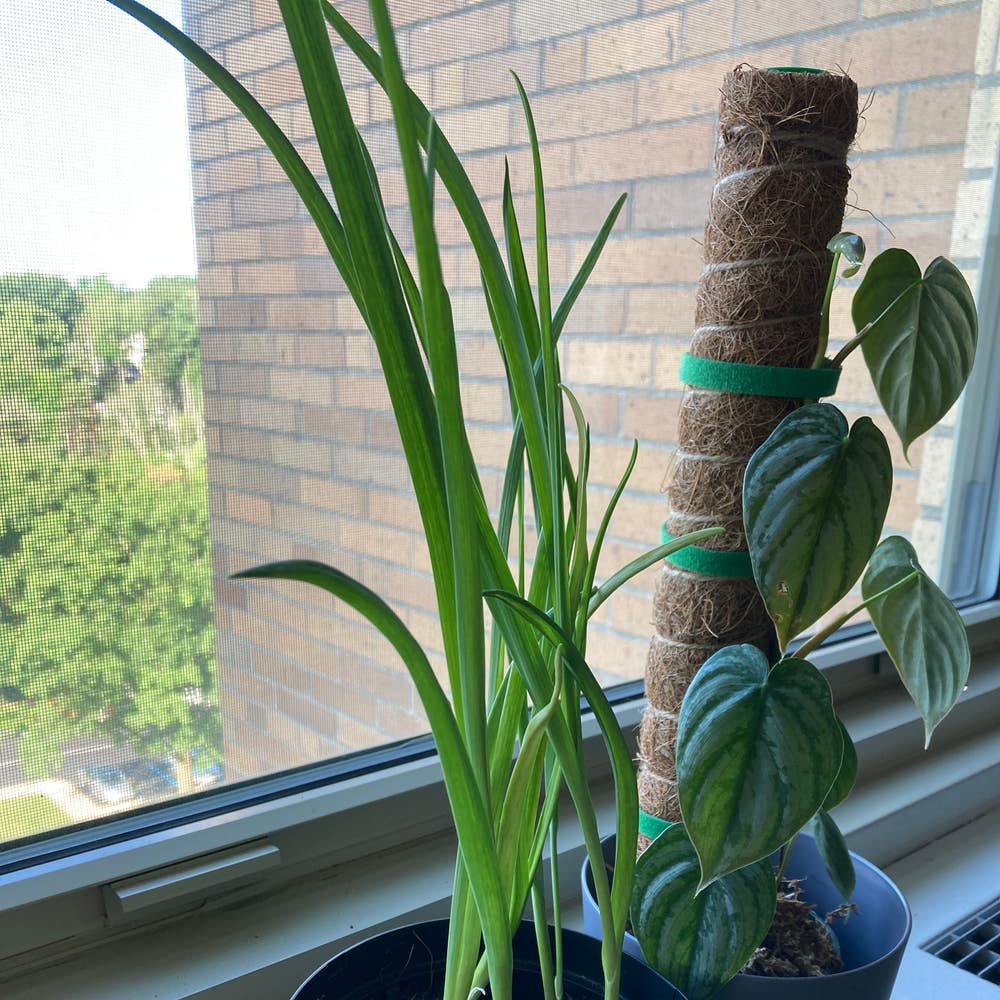
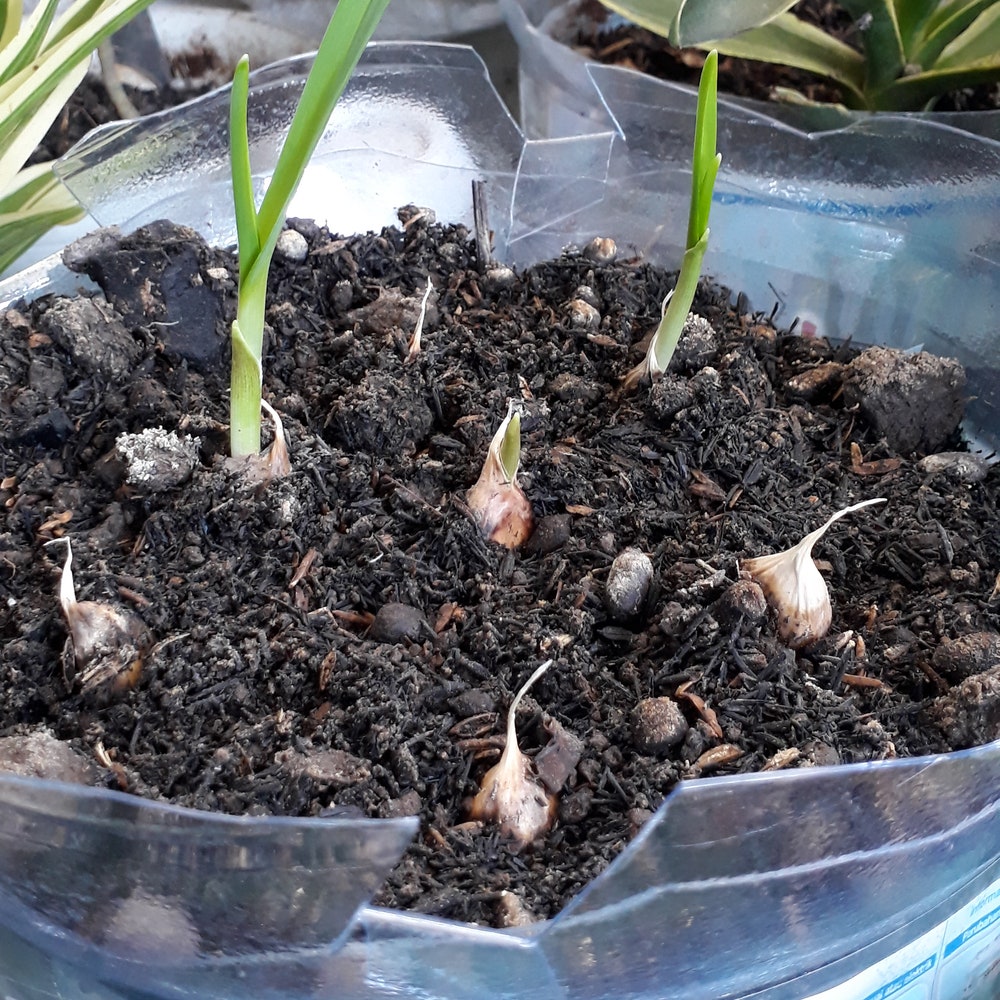
The #1 Top Companion Plant for Allium sativum
Allium sativum
By the Greg Editorial Team
Jul 22, 2024•5 min read
This article was created with the help of AI so we can cover more plants for you. May contain errors. See one? Report it here.
Cultivate a vibrant, pest-resistant garden by pairing garlic with its perfect plant partners! 🌱🧄
- 🌱 Companion planting boosts garlic growth, fostering symbiotic relationships and garden diversity.
- 🍅🥕 Tomatoes and carrots are top garlic allies, enhancing flavor and robust growth.
- ❌ Avoid beans and peas near garlic to prevent growth competition and nutrient clashes.
Companion Planting Basics
Companion planting is a strategic approach to gardening where different plants are grown in proximity for mutual benefit. It's a practice that can lead to symbiotic relationships and enhance garden diversity. Here's how it specifically advantages Allium sativum, commonly known as garlic:
- Pest Management: Certain companions can naturally repel pests that target garlic, reducing the need for chemical pesticides.
- Soil Health: Companions may improve soil structure and nutrient availability, fostering a more robust garlic crop.
- Pollination: Attracting beneficial insects helps with pollination, which is essential for the overall health of the garden.
By integrating companion planting into your garden, you're not just growing garlic; you're cultivating an ecosystem where plants work together in harmony.
Allium sativum Allies
Garlic, known scientifically as Allium sativum, thrives when paired with the right plant allies. These companions offer a range of benefits, from deterring pests to enhancing growth and flavor.
🦟 Pest Repellent Companions
Garlic's pungent aroma is a natural deterrent for a variety of pests, making it a formidable ally in the garden:
- Marigolds and Nasturtiums: These vibrant flowers repel aphids and beetles, creating a protective barrier around your garlic.
- Chamomile: Known to improve garlic's flavor, it also attracts beneficial insects that prey on pests.
- Rue: Its strong scent drives away maggots, a common enemy of garlic bulbs.
🍽️ Flavor Enhancers
Certain plants can subtly influence the flavor of garlic, making it even more desirable for culinary use:
- Chamomile: Not only a pest repellent but also a known flavor enhancer for garlic.
- Yarrow and Tarragon: These herbs may contribute to a more complex taste profile in garlic when planted nearby.
🌱 Growth Supporters
Some plants support garlic's growth by improving soil health and providing mutual support:
- Tomatoes and Carrots: These vegetables can share space with garlic without competing for resources, promoting robust growth.
- Spinach and Lettuce: Their shorter stature allows garlic to receive ample sunlight while they benefit from the pest-repelling properties of garlic.
Top Garlic Companions
🍅 Tomato Synergy
Tomatoes and garlic make a dynamic duo in the garden. The strong scent of garlic is a natural deterrent for pests that typically bother tomatoes, such as aphids and beetles. Moreover, anecdotal evidence suggests that growing these two together can enhance the flavor of tomatoes, a nod to their complementary nature in culinary uses.
- Pest-repellent properties: Garlic's aroma wards off common tomato pests.
- Flavor benefits: Potential improvement in tomato taste when grown alongside garlic.
🥕 Carrot Complementarity
Carrots and garlic share a symbiotic relationship that benefits gardeners aiming for a bountiful harvest. The pungent smell of garlic can help keep carrot flies at bay, while carrots do not compete heavily with garlic for nutrients, allowing both to thrive.
- Growth support: Carrots don't compete with garlic for nutrients, promoting robust growth.
- Pest deterrence: Garlic's scent deters carrot flies, protecting the root vegetables.
🌼 Chamomile Benefits
Chamomile is more than just a soothing tea ingredient; it's a fantastic companion for garlic. This pairing can attract beneficial insects to the garden, enhancing pollination and pest control. Additionally, chamomile is believed to improve the flavor of garlic, making it a valuable ally in the garden.
- Attraction of beneficial insects: Chamomile lures pollinators and pest predators.
- Flavor enhancement: Chamomile may enhance the taste of garlic when planted nearby.
🌿 Chive Harmony
Chives and garlic are a match made in heaven, both belonging to the allium family. They offer mutual pest protection, with chives repelling aphids and other insects that might otherwise target garlic. The aesthetic appeal of chives' purple flowers also adds a splash of color to the garlic patch.
- Mutual pest protection: Chives help repel pests that could harm garlic.
- Aesthetic appeal: The purple blooms of chives provide visual interest among garlic greens.
Incompatible Neighbors
🧄 Beans and Garlic Clash
- Beans and garlic are at odds due to a chemical interference that garlic imposes on the growth of legumes.
- This antagonism results in a weaker bean crop, particularly noticeable in confined spaces like raised beds.
🌱 Peas' Competition
- Peas and garlic vie for the same essential nutrients, leading to a struggle that can hinder the growth of both.
- The close proximity of their roots creates a competitive environment, detrimental to the overall health and yield of these plants.
Planting for Success
In the dance of the garden, Allium sativum doesn't go solo. Its performance is enhanced when paired with the right partners. Here's a recap of the top companion plants that not only bring out the best in garlic but also contribute to a thriving garden ecosystem:
- Tomatoes: They're like garlic's bodyguards, repelling pests while boosting each other's flavors.
- Carrots: These underground allies deter pests, and it's said they even sweeten up when garlic is around.
- Chamomile: It's the garden's social butterfly, attracting beneficial insects and enhancing garlic's flavor.
- Chives: They share garlic's pest-repelling mojo and add a sprinkle of purple to the green scene.
Remember, it's not just about what you plant but also what you don't. Beans and peas, for instance, are like garlic's nemeses, competing for resources and not playing well together.
Embrace these companion planting principles for a healthier, more diverse garden that's a feast for the eyes and the palate. Let's turn our gardens into symphonies of symbiotic relationships, where every plant has a role to play in the grand scheme of pest management and garden diversity.
⚠️ Safety First
This content is for general information and may contain errors, omissions, or outdated details. It is not medical, veterinary advice, or an endorsement of therapeutic claims.
Always consult a qualified healthcare professional before using any plant as food, medicine, or supplement.
Never eat any plant (or feed one to pets) without confirming its identity with at least two trusted sources.
If you suspect poisoning, call Poison Control (800) 222-1222, the Pet Poison Helpline (800) 213-6680, or your local emergency service immediately.
Spotted an error? Please report it here.
Grow your Allium sativum alongside the best companions and avoid the foes with Greg's PlantVision 🌼, ensuring a thriving and pest-free garden!