🧛 Ultimate Guide to Growing Garlic
Allium sativum
By the Greg Editorial Team
Jul 22, 2024•4 min read
This article was created with the help of AI so we can cover more plants for you. May contain errors. See one? Report it here.
Transform your garden into a garlic haven with these expert cultivation secrets! 🧄🌱
- 🌞 Full sunlight and well-draining soil are essential for thriving garlic.
- 🍂 Plant robust cloves in fall, 6-8 inches apart for best results.
- 🧄 Harvest when leaves yellow, then cure and store in cool, low-humidity.
Site and Soil Setup
🌞 Location Selection
Garlic thrives in a spot that basks in full sunlight for at least 6 hours a day. This is a non-negotiable growth requirement.
- Choose a location that offers ample sunlight and space for expansion.
- For container growing, ensure the container is large enough and has proper drainage.
🌱 Soil Preparation
Soil preparation is a cornerstone of garlic cultivation techniques. The goal is to create an environment where garlic can flourish.
- Aim for well-draining soil with a pH slightly acidic to neutral.
- Mix in organic matter such as compost to enrich the soil.
- For heavy clay soils, amend with sand or grit to improve drainage.
- Conduct a soil test to tailor nutrient management to your garlic's needs.
Planting Garlic
🧄 Clove Selection
Selecting the right cloves is crucial for a successful garlic harvest. Here's how to pick the winners:
- Opt for the largest cloves from healthy bulbs, as these are likely to yield bigger, more robust plants.
- Ensure the cloves have intact, wrinkle-free skins to protect them during growth.
- Discard any cloves showing signs of damage or rot to avoid disease.
🌱 Planting Process
Now, let's get those cloves in the ground:
- Plant in the fall, as garlic requires a cold period to thrive.
- Space the cloves 6 to 8 inches apart to give each plant enough room to grow.
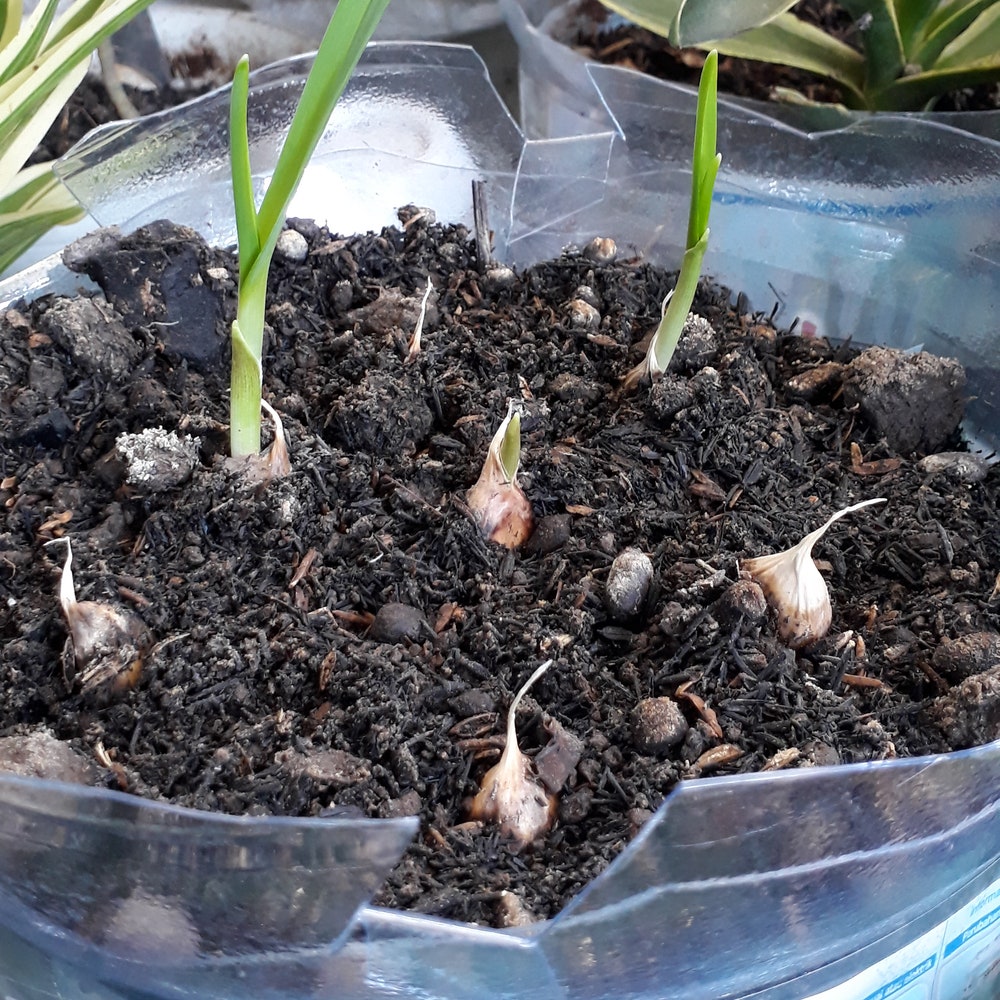
- Bury cloves 1 to 2 inches deep, with the flat end down and the pointy end up.
- After planting, pat down the soil firmly to secure the cloves and water gently.
Remember, garlic's journey from clove to bulb is a winter-long endeavor, so patience is key.
Routine Care
💧 Watering Practices
Garlic thrives when the soil moisture is balanced, not too wet and not too dry. Here's how to achieve that sweet spot:
- Water deeply once a week, allowing the soil to dry out slightly between waterings.
- Reduce watering frequency as the bulbs mature to encourage them to form a papery skin.
🌿 Nutrient Management
Garlic isn't a heavy feeder, but it does appreciate a nutrient boost. For best results:
- Mix a balanced organic fertilizer into the soil at planting time.
- Apply a high-potassium fertilizer sparingly as the bulbs start to form.
✂️ Pruning and Maintenance
Pruning garlic is all about timing and technique:
- Snip off the scapes (flower stalks) as they appear to direct energy into bulb growth.
- Keep an eye out for weeds and gently remove them to prevent competition for nutrients.
Tackling Challenges
🐛 Pest Control
Garlic's potent aroma is a natural deterrent to many pests, but some persistent critters may still pose a threat. Here's how to keep them at bay:
- Natural Defenses: Use companion planting with aromatic herbs or flowers to repel pests.
- Physical Barriers: Employ row covers or insect screens to protect your garlic.
- Beneficial Insects: Attract predators like ladybugs to control aphid populations.
- Organic Pesticides: Neem oil and Pyrethrin can be effective against tougher pests.
- Crop Rotation: Implement a 5-7 year rotation to disrupt pest life cycles.
🦠 Disease Prevention
Garlic is hardy but not invincible. Stay vigilant against diseases with these strategies:
- Proper Spacing: Ensure adequate air circulation by not overcrowding plants.
- Soil Health: Use well-draining soil and organic mulch to prevent waterlogging.
- Clean Seed Cloves: Plant only certified, disease-free cloves.
- Hot Water Treatment: Consider dipping cloves in hot water before planting to reduce disease risk.
- Regular Monitoring: Keep an eye out for signs of disease, such as yellowing leaves or white patches.
🌦️ Environmental Stressors
Garlic can withstand many conditions, but extreme weather can still take a toll. Protect your crop by:
- Mulching: Shield soil from extreme temperatures and retain moisture.
- Water Management: Balance irrigation and avoid overwatering to prevent rot.
- Sheltering Plants: Use cloches or row covers to guard against harsh weather.
- Adaptive Cultivation: Choose garlic varieties suited to your local climate for best results.
Harvesting and Storage
🌾 Recognizing Maturity
Garlic's readiness for harvest hinges on a few key indicators:
- Lower leaves yellowing and withering signal it's time to check the bulbs.
- Plump, well-formed cloves and dry, papery skin suggest maturity.
- Bulb size increases, and cloves are easily distinguishable.
🌱 Harvesting Techniques
Harvesting garlic requires a gentle touch to preserve its quality:
- Use a garden fork to lift the bulbs, avoiding damage.
- Brush off soil gently and let the bulbs dry in a shaded, dry area with good air circulation.
- Harvest when half of the leaves are brown for hardneck varieties, or when a third of softneck plants flop over.
📦 Curing and Storage
Proper curing and storage are essential for long-lasting garlic:
- Cure bulbs in a single layer in a cool, ventilated space for 2-3 weeks until stems dry out.
- Trim stems an inch above the bulb and store in mesh bags or baskets.
- Keep garlic at 35-40 degrees F in a dark place with low humidity to prevent sprouting.
⚠️ Safety First
This content is for general information and may contain errors, omissions, or outdated details. It is not medical, veterinary advice, or an endorsement of therapeutic claims.
Always consult a qualified healthcare professional before using any plant as food, medicine, or supplement.
Never eat any plant (or feed one to pets) without confirming its identity with at least two trusted sources.
If you suspect poisoning, call Poison Control (800) 222-1222, the Pet Poison Helpline (800) 213-6680, or your local emergency service immediately.
Spotted an error? Please report it here.
Ensure your garlic thrives by letting Greg remind you 🧄 when to water, fertilize, and check for pests, making every clove count!