Should I Repot My Garlic And If So, How?
Allium sativum
By the Greg Editorial Team
Jun 18, 2024•3 min read
This article was created with the help of AI so we can cover more plants for you. May contain errors. See one? Report it here.
Boost your garlic's zest 🌱 with timely repotting tips for a luscious garden harvest!
- Look for crowded roots and yellowing leaves to know when to repot garlic.
- Repot in fall or early spring before garlic focuses on flowering.
- Choose terracotta or fabric pots for better moisture control and air circulation.
When to Give Your Garlic a New Pad
🌱 Spotting the Telltale Signs
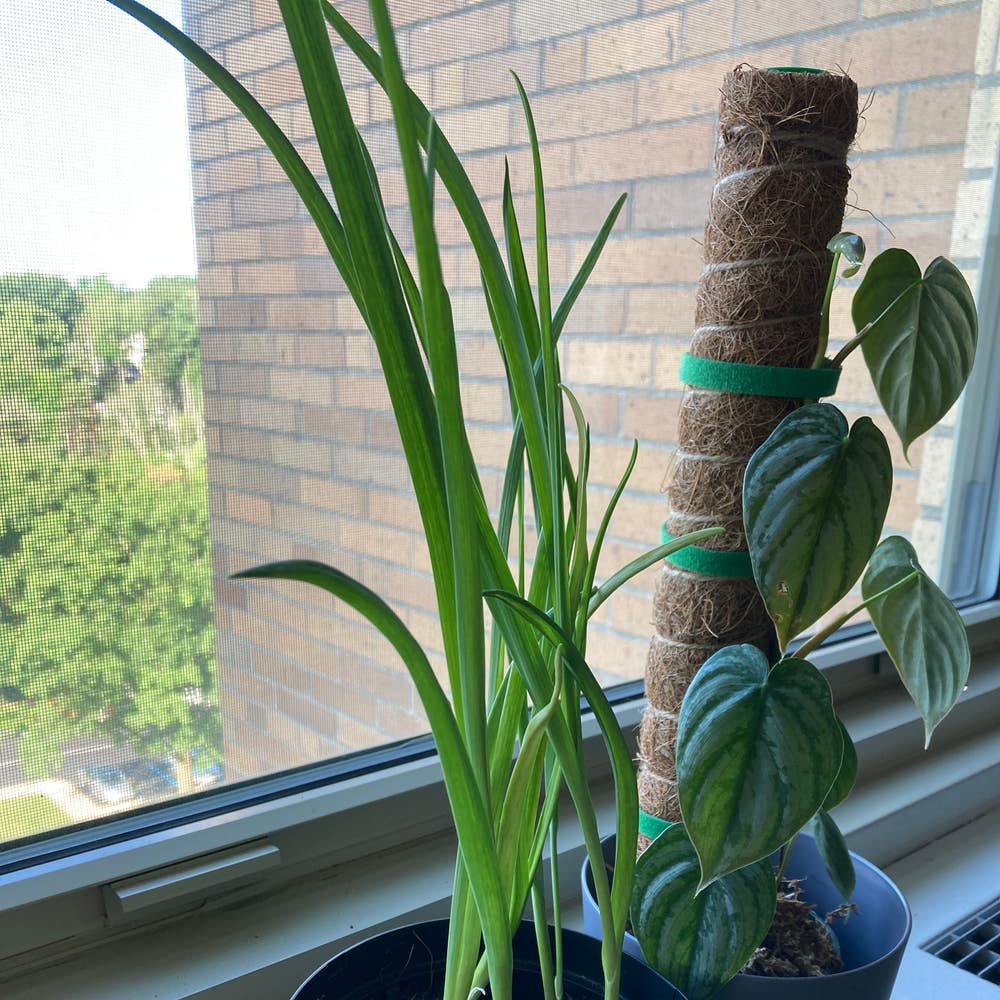
Garlic's a bit of a diva; it'll let you know when it's time to move. Crowded roots? They'll start to cramp the garlic's style, pushing against the container's walls. You might not see them, but the plant's lackluster growth screams for more space.
Yellowing leaves or a halt in growth are your garlic's way of saying, "Hey, I'm feeling a bit stuck here!" It's not just being dramatic; these are genuine cries for help.
⏰ Timing is Everything
Garlic doesn't wear a watch, but it knows the seasons like the back of its hand. Fall is prime time for repotting, aligning with its natural planting cycle. But if you missed the memo, early spring works too, just before the growing season kicks into high gear.
Life cycle-wise, don't wait for the garlic to throw a flowering fit. Once it starts focusing on flowers, it's less invested in growing those plump cloves you're after. So, keep an eye out for those scapes and get to repotting before the garlic gets too comfortable.

The Great Garlic Move: A Step-by-Step Guide
🌱 Choosing the Right Size for Your Garlic's New Crib
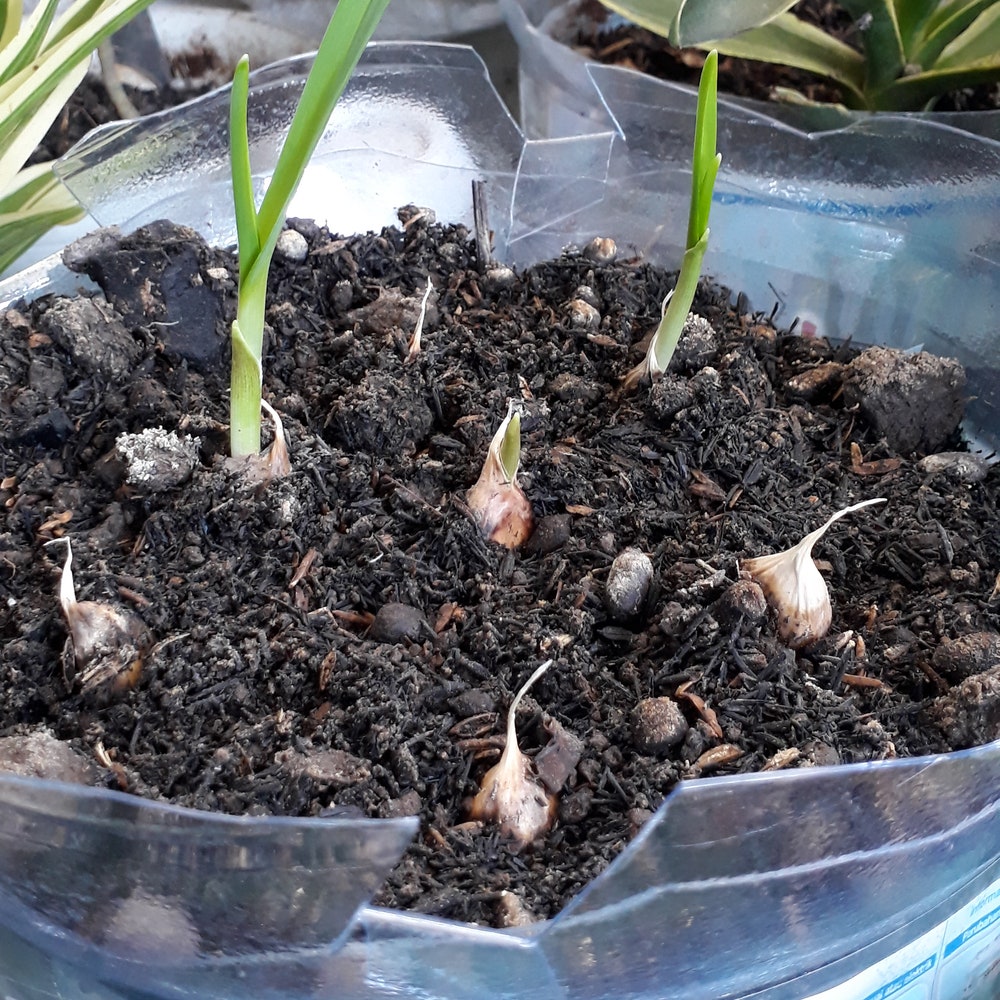
Garlic demands space. The ideal pot should allow at least 6 inches between plants and be 6 inches deep. Drainage holes are non-negotiable; soggy soil spells doom for garlic.
🌿 Soil Prep School
Mix a well-draining potting blend to mimic garlic's preferred loose, fertile soil. Sterile mix prevents pests, and a dash of organic matter keeps the nutrients coming.
🌾 The Delicate Dance of Uprooting
Ease the garlic out with care, avoiding root breakage. A gentle tilt of the old pot may coax it out; otherwise, use a trowel to assist. Keep the roots intact and the drama minimal.
💧 Settling In: Post-Repot Care
Water your transplanted garlic just enough to settle the soil, avoiding a flood. Consistent moisture is key, but overwatering is the express lane to rot city.

Picking the Perfect Pot: Material Matters
🌱 Terracotta vs. Plastic: The Pros and Cons
Terracotta, the breathable cotton tee of the pot world, offers superior moisture control, letting soil dry out faster. It's ideal for the overzealous waterer but demands more frequent hydration checks. Plastic pots, on the flip side, are the raincoats for your garlic, keeping moisture snug inside. They're a back-saver, lightweight, and easy on the wallet, but watch out for waterlogging.
🌿 Going Natural or Synthetic: Fabric and Wood
Fabric pots are the root-friendly revolutionaries, promoting air circulation and preventing root circling. However, they can dry out quicker than a witty retort. Wooden pots bring a rustic charm to your garden, but beware, they can be a rot risk if not properly treated or maintained.
🚫 No-Gos for Garlic Pots
Some materials are party poopers for your garlic's growth. Metal pots? They can cook roots on a hot day. Glazed ceramic? Heavy and prone to cracking, they're a gamble. And always ensure recycled pots are safe for planting—no leaching toxins wanted.

⚠️ Safety First
This content is for general information and may contain errors, omissions, or outdated details. It is not medical, veterinary advice, or an endorsement of therapeutic claims.
Always consult a qualified healthcare professional before using any plant as food, medicine, or supplement.
Never eat any plant (or feed one to pets) without confirming its identity with at least two trusted sources.
If you suspect poisoning, call Poison Control (800) 222-1222, the Pet Poison Helpline (800) 213-6680, or your local emergency service immediately.
Spotted an error? Please report it here.
Ensure your garlic bulbs are perfectly potted 🧄 with Greg's custom reminders and tailored care tips for a bountiful harvest.