🧄 Top 9 Signs Your Allium sativum is Stressed in Winter
Allium sativum
By the Greg Editorial Team
Jul 22, 2024•4 min read
This article was created with the help of AI so we can cover more plants for you. May contain errors. See one? Report it here.
Safeguard your garlic's vitality through winter's frost with these essential care tips! 🌱❄️
- 🌱 Discoloration and wilting signal winter stress in Allium sativum.
- ❄️ Frost protection is key: mulch, cover, and monitor for frostbite.
- 💧🌡️ Adjust watering and indoor environment to prevent stress and root issues.
Identifying Winter Stress
🌬️ Visible Damage Signs
Physical signs of stress in Allium sativum during winter are often the first indicators that your plant needs attention. Look for:
- Discoloration: Leaves may turn yellow or brown, particularly if the plant is exposed to cold drafts or lacks sufficient light.
- Wilting: A plant that appears limp or droopy despite proper watering could be suffering from cold stress.
🌱 Growth Stagnation
Winter dormancy can lead to slowed or halted growth in Allium sativum. It's natural for growth to slow down during this time, but be alert for:
- A complete stop in growth: This could indicate that the plant is experiencing more than just the typical winter slowdown.
🌿 Root Health Check
Roots are crucial for the survival of Allium sativum, especially in winter. To assess root health:
- Gently remove the plant from its pot and inspect the roots. Healthy roots should be firm and white or light tan.
- Signs of root stress include dark, mushy roots or a foul odor, which are indicators of rot.
Remember, cold hardiness varies, and roots are often the most sensitive to low temperatures. If you suspect root damage, take steps to protect the plant from further stress.
Protecting from Frost
🧊 Implementing Frost Protection
Allium sativum, commonly known as garlic, requires specific measures to survive frost and cold damage. Here's how to shield your plants:
- Mulching: Apply a thick layer of organic mulch around the base to insulate the soil and roots, akin to a warm blanket.
- Covering: Utilize frost cloths or burlap to cover the plants when frost is predicted, removing them once the risk has passed.
- Location: Plant in areas less prone to frost, such as near the warmth of a building or in raised beds for improved drainage and warmer soil.
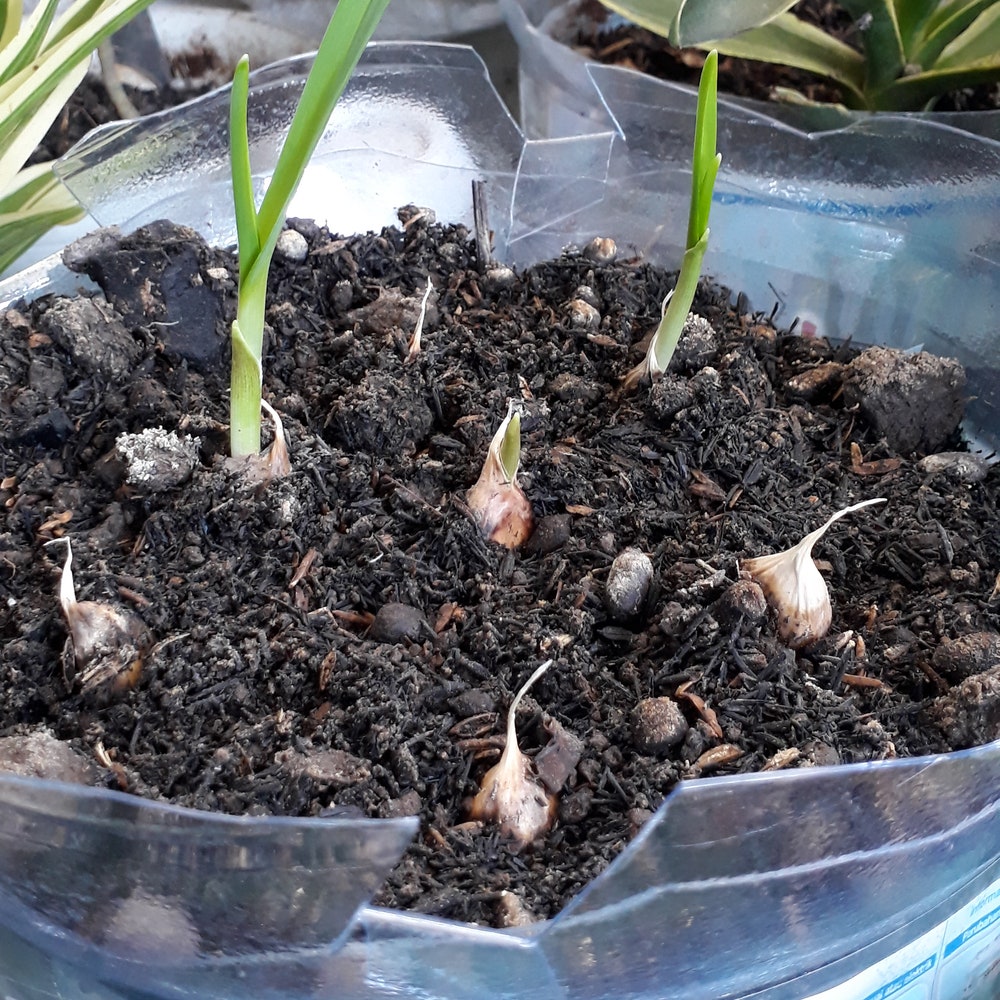
- Timing: Plant cloves at the optimal time in autumn to ensure they are well-rooted before the frost.
👀 Monitoring for Frostbite
Keep a vigilant eye for frostbite signs on Allium sativum:
- Discoloration: Watch for leaves turning yellow or brown, indicating cell damage.
- Texture Change: Feel for leaves that have become soft or mushy.
- Immediate Action: If frostbite occurs, gently remove the affected foliage to prevent further damage and stress on the plant.
Adjusting Winter Care
💧 Watering Wisely
During winter, Allium sativum's thirst diminishes as it enters a state of dormancy. It's crucial to adjust watering schedules to match this change in need. Overwatering can be particularly detrimental in the colder months, leading to root rot and other stress-related issues. Conversely, underwatering can leave the plant vulnerable to the dry indoor air of heated homes. Here's how to strike the right balance:
- Monitor the soil moisture levels; the top layer should be dry to the touch before watering.
- Reduce the frequency of watering, but ensure the water reaches deep to the roots when you do.
- Consider the humidity of your home and the plant's location, as these factors can affect how quickly the soil dries.
🌱 Fertilizer and Dormancy
Fertilizing Allium sativum during winter dormancy is generally unnecessary and can even be harmful. The plant's slowed metabolism means it's not actively seeking nutrients, and excess fertilizer can lead to a buildup of salts in the soil, causing root stress. To maintain the health of your Allium sativum during the colder months:
- Hold off on fertilizing until the plant shows signs of new growth in the spring.
- If you must fertilize, opt for a half-strength solution and apply it sparingly.
- Keep an eye out for signs of nutrient stress, such as leaf discoloration or stunted growth, which could indicate the need for a slight adjustment in care.
Indoor Care Considerations
🌿 Transitioning Indoors
Allium sativum, while hardy, may need a winter retreat indoors in particularly harsh climates. Here's how to do it without causing your garlic grief:
- Timing is Everything: Move your Allium sativum inside before the first frost hits. This prevents the shock that a sudden chill can bring.
- The Right Spot: Choose an unheated space like a garage or basement that stays cool but not freezing—ideal to maintain dormancy without the damage.
🏡 Indoor Environment Management
Once indoors, your Allium sativum still needs tender loving care. Here's how to keep it cozy:
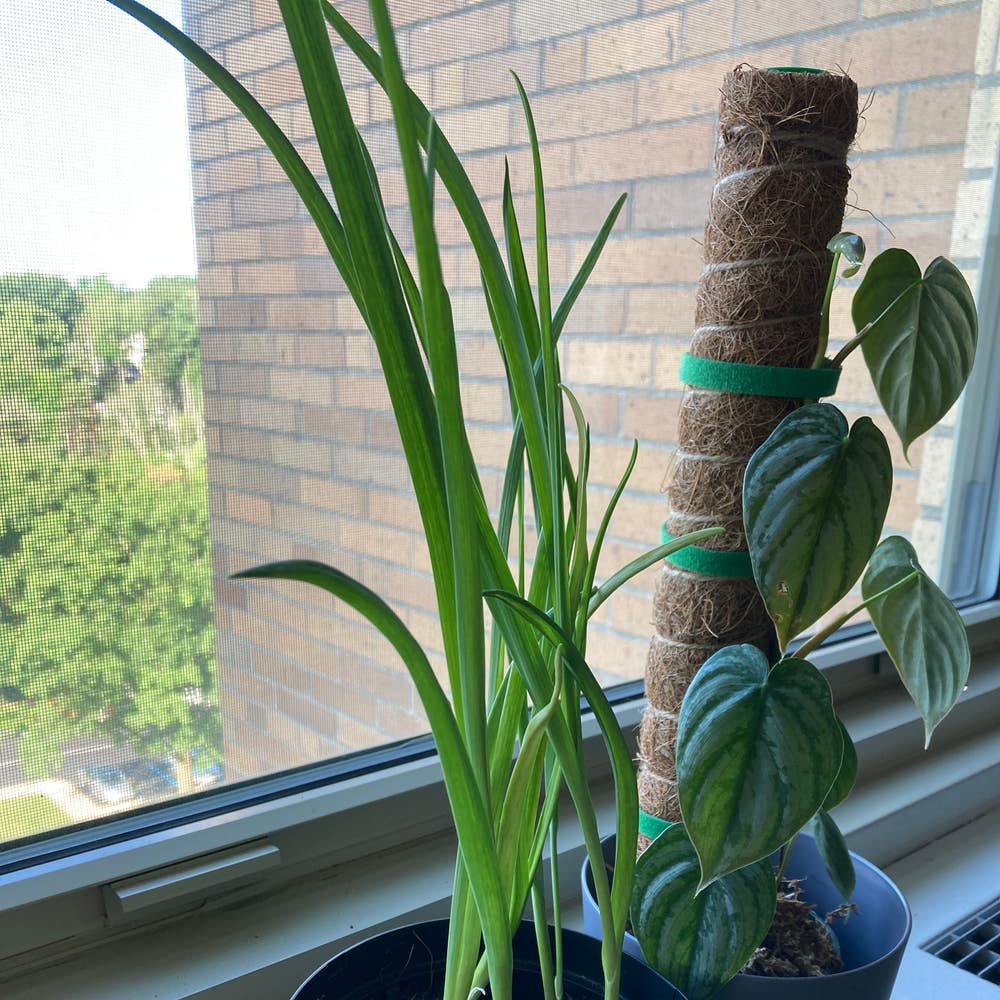
- Light the Way: Garlic loves light. Position it near a window where it can bask in the winter sun or supplement with grow lights if the days are too short.
- Humidity Matters: Keep the air from getting too dry. A small humidifier or a tray of water near your heating source can help maintain a garlic-friendly atmosphere.
- Temperature Checks: Avoid placing your plant next to heat sources. A consistent, cool temperature mimics its natural wintering process without the freeze.
⚠️ Safety First
This content is for general information and may contain errors, omissions, or outdated details. It is not medical, veterinary advice, or an endorsement of therapeutic claims.
Always consult a qualified healthcare professional before using any plant as food, medicine, or supplement.
Never eat any plant (or feed one to pets) without confirming its identity with at least two trusted sources.
If you suspect poisoning, call Poison Control (800) 222-1222, the Pet Poison Helpline (800) 213-6680, or your local emergency service immediately.
Spotted an error? Please report it here.
Ensure your Allium sativum survives winter stress-free by letting Greg shield 🛡 it with custom care reminders for watering, frost protection, and cozy indoor transitions!