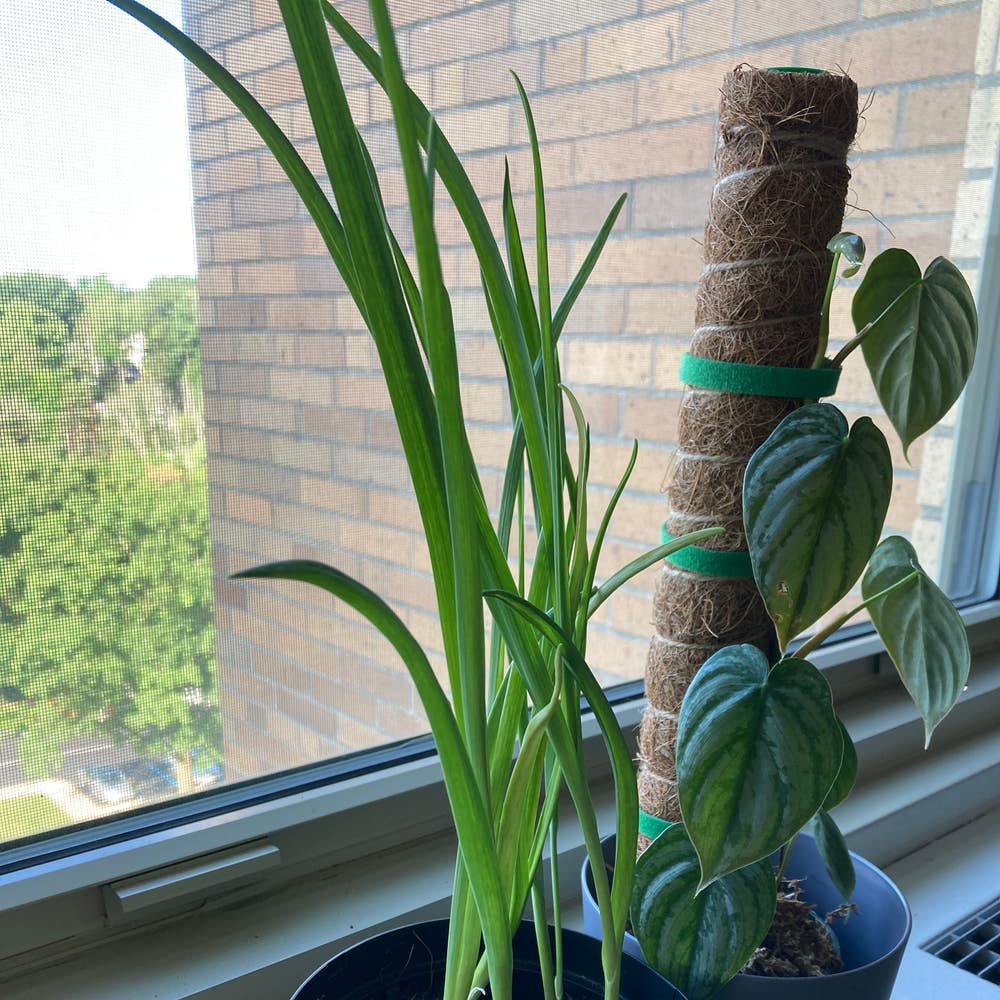
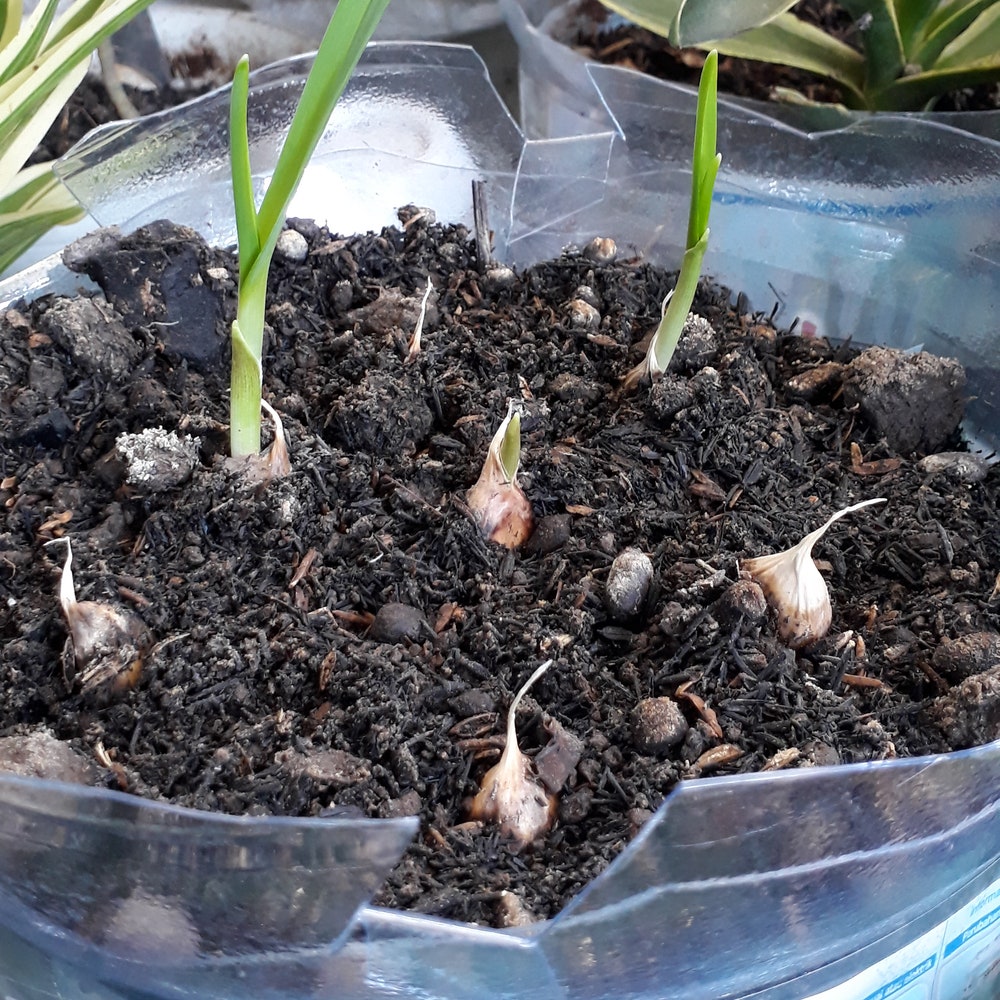
4 Perfect Spots to Grow Allium sativum 🧄
Allium sativum
By the Greg Editorial Team
Jul 22, 2024•4 min read
This article was created with the help of AI so we can cover more plants for you. May contain errors. See one? Report it here.
Elevate your garden's garlic yield 🌱 by perfecting its sun-soaked spot and soil sanctuary.
- 🌞 Full sun is crucial for garlic's growth; ensure 6+ hours daily.
- 🌱 Well-draining, rich soil is key; amend with organic matter.
- 🌿 Companion planting with herbs enhances flavor and deters pests.
Assessing Sunlight Needs
☀️ Sun Requirements
Allium sativum, commonly known as garlic, thrives under full sun. To pinpoint the perfect sunny spot, observe your garden's sun exposure from dawn to dusk. Look for areas that bask in sunlight for at least 6 hours a day, as these are prime real estate for your garlic. Innovative tools like sun angle calculators and sun path diagrams can offer a more precise analysis for the sunlight enthusiasts among us.
🌑 Shade Impact
Too much shade can stunt garlic's growth, leading to disappointing yields. Research shows that garlic plants soaking in full sun are more robust and allocate more energy to bulb formation. If your garden is a bit on the shady side, consider alternatives like community gardens or sunny spots in a friend's yard to ensure your garlic gets the light it needs to flourish.
Soil Selection Strategies
🌱 Ideal Soil Types
Allium sativum thrives in soil that strikes a balance between moisture retention and drainage. Here's how to spot the perfect soil for your garlic:
- Look for well-draining soil that's rich in organic matter.
- Aim for a soil texture that's neither too dense nor too sandy; a loamy soil is often ideal.
- Ensure the soil is friable, meaning it crumbles easily in your hand, which indicates good structure for garlic's root development.
🌿 Soil Preparation
Preparing your soil for Allium sativum involves a few key steps to create an optimal growing environment:
- Begin by adjusting the soil pH to fall within the 6.0 to 7.0 range, which is slightly acidic to neutral.
- Enrich the soil with organic matter such as compost or well-rotted manure to improve nutrient content and soil structure.
- Consider incorporating perlite or vermiculite if additional drainage is needed, especially in heavier soils.
- Conduct a soil test if possible to tailor your soil amendments and fertilization plan to the specific needs of your soil.
Protecting from the Elements
🌱 Understanding Microclimates
Garlic thrives when its unique microclimate needs are met. Here's what to look for:
- Areas shielded from strong winds by walls or natural landforms.
- Spots that receive moderated sunlight, avoiding the extremes of deep shade or scorching sun.
- Locations near structures that can radiate heat, protecting plants during cold spells.
💨 Wind and Weather
Selecting a site with natural protection or creating barriers can make all the difference:
- Use fences, shrubbery, or rows of taller plants as windbreaks.
- Consider the direction of prevailing winds and position your garlic accordingly.
- In areas prone to harsh weather, temporary covers or permanent structures can provide necessary shelter.
Location Options for Allium sativum
🌿 In the Vegetable Patch
Garlic thrives when it's part of a community. Planting Allium sativum among other vegetables not only maximizes space but also leverages garlic's natural pest-repellent properties. Here's why and how to integrate garlic into your veggie patch:
- Garlic deters common pests like aphids and cabbage moths, offering a natural form of pest control for susceptible neighbors such as tomatoes and leafy greens.
- Avoid pairing garlic with legumes or peas, as these can inhibit each other's growth.
🛏️ Raised Bed Advantages
Raised beds are a garlic grower's best friend for several reasons:
- They provide excellent drainage, ensuring garlic bulbs aren't waterlogged.
- Soil temperature and conditions can be controlled more easily, promoting robust growth.
- Here's how to set up a raised bed for garlic:
- Ensure beds are at least 12 inches apart with a width that allows for easy harvesting.
- Incorporate plenty of organic matter to enrich the soil before planting.
🌱 Container Considerations
Containers can be a smart choice for growing garlic, especially when space is limited. To ensure success:
- Choose containers deep enough to mimic garden planting conditions.
- Ensure there is ample room for bulbs to develop without crowding.
- Use a well-draining soil mix to prevent water retention at the roots.
🌼 Amongst the Herbs
Garlic and herbs can be great garden companions, creating a mutually beneficial environment:
- Plant garlic near rosemary and chives to enhance flavor and deter pests.
- Avoid placing garlic too close to parsley, as they may not be compatible.
- The combination of garlic and herbs can create a fragrant and productive section of your garden.
⚠️ Safety First
This content is for general information and may contain errors, omissions, or outdated details. It is not medical, veterinary advice, or an endorsement of therapeutic claims.
Always consult a qualified healthcare professional before using any plant as food, medicine, or supplement.
Never eat any plant (or feed one to pets) without confirming its identity with at least two trusted sources.
If you suspect poisoning, call Poison Control (800) 222-1222, the Pet Poison Helpline (800) 213-6680, or your local emergency service immediately.
Spotted an error? Please report it here.
Cultivate robust garlic bulbs 🌞 with Greg's PlantVision ensuring optimal sunlight exposure for your Allium sativum, straight from the insights of this article!