🧄 Ultimate Guide to Allium sativum Flowers
Allium sativum
By the Greg Editorial Team
Aug 23, 2024•5 min read
This article was created with the help of AI so we can cover more plants for you. May contain errors. See one? Report it here.
Uncover the stunning beauty of garlic flowers 🌼 and learn how to make them bloom in your garden!
- 🌼 Allium sativum flowers are often overlooked, as garlic is mainly grown for bulbs.
- 🌞 Garlic blooms in late spring to early summer, requiring full sun and well-draining soil.
- 🌱 Understanding garlic's flowering enhances appreciation for its versatility beyond culinary uses.
Flowering Status
Clarification on Flowering Status 🌼
Allium sativum, commonly known as garlic, is typically viewed as a non-flowering plant in culinary cultivation. This perception stems from its primary use for bulb production, as growers often harvest the plant before it has a chance to flower.
The focus on vegetative growth over reproductive growth is a key reason for this non-flowering status. By prioritizing the development of bulbs, cultivators ensure a robust harvest, leaving little room for the plant's flowering potential to shine.
In essence, while Allium sativum can produce flowers, the culinary world often overlooks this aspect in favor of its flavorful bulbs. This dynamic highlights the fascinating relationship between cultivation practices and plant behavior, inviting curiosity about what happens when garlic is allowed to bloom.
As we explore further, we’ll uncover the characteristics of Allium sativum flowers and the blooming process, revealing the hidden beauty of this beloved plant.
If Allium sativum Produces Flowers
🌸 Flower Characteristics
Description of Colors and Structure
Allium sativum flowers are a delightful sight, typically ranging from white to purple. These small, star-shaped flowers cluster together in a spherical formation, known as a flower spike, with each flower measuring about 1-2 cm in diameter.
Self-Pollination vs. External Pollination
This plant is primarily self-pollinating, which means it can reproduce without needing another plant. However, wind and insects can also assist in the pollination process, adding a layer of diversity to its reproductive strategy.
🌼 Blooming Process
Stages of Blooming
The blooming process unfolds in three main stages:
- Bud formation: This is when the initial flower buds start to develop.
- Blooming: The flowers open up, showcasing their beauty.
- Seed formation: After blooming, the plant shifts focus to developing seeds.
Typical Bloom Time
Allium sativum typically blooms from late spring to early summer, although the exact timing can vary based on climate conditions. This seasonal display can be a highlight in any garden.
Duration from Bud Formation to Full Bloom
From the moment the buds form, it takes about 2-3 weeks for the flowers to reach full bloom. This relatively quick transition adds excitement for gardeners eagerly awaiting the floral show.
Lifespan of Flowers
Once in bloom, the flowers usually last for about 2-4 weeks before wilting. This brief but vibrant display can be a rewarding experience for those who cultivate them.
🌱 Encouraging Blooms
Tips for Encouraging Flowering
To encourage Allium sativum to bloom, consider these tips:
- Provide optimal sunlight: Aim for full sun exposure, ideally 6-8 hours daily.
- Ensure well-draining soil: Avoid waterlogged conditions to keep the roots healthy.
- Fertilize appropriately: Use a balanced fertilizer during the growing season to promote growth.
Factors Influencing Flowering
Several environmental factors can influence flowering, including temperature, soil conditions, and moisture levels. Keeping these elements in check can significantly enhance your chances of a successful bloom.
🌿 Post-Flowering
What Happens After Flowering
After the flowering phase, Allium sativum shifts its focus to seed development. Nutrients that were once allocated to the flowers are redirected to the bulbs, ensuring the plant's continued growth.
Does Allium sativum Die After Flowering?
No, Allium sativum does not die after flowering. Instead, it continues to grow and can produce bulbs, making it a resilient and valuable addition to any garden.
This fascinating journey from bud to bloom and beyond showcases the remarkable adaptability of Allium sativum, ensuring that even if it doesn't flower, it remains a cherished culinary staple.
If Allium sativum Doesn't Flower
🌱 Primary Ornamental or Functional Features
Allium sativum, commonly known as garlic, is primarily celebrated for its edible bulbs. These bulbs are not just culinary staples; they pack a flavorful punch that enhances countless dishes.
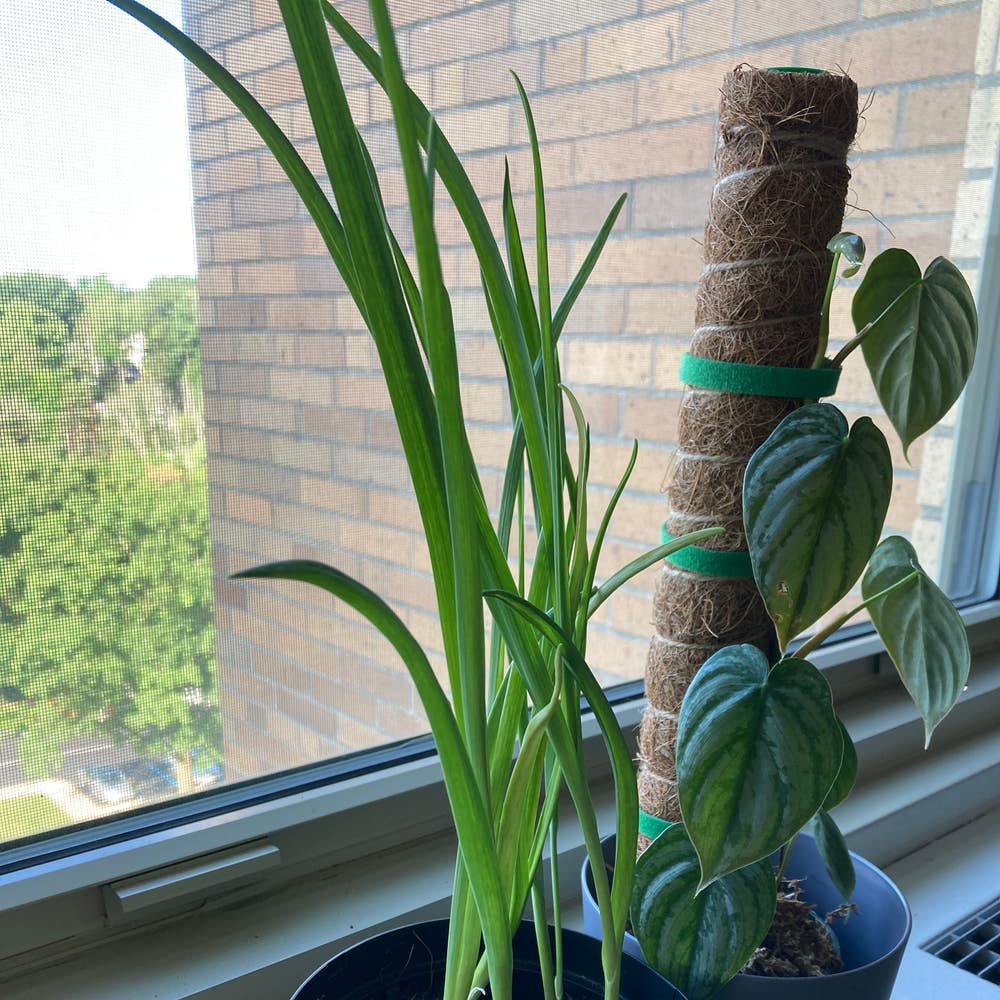
The foliage of Allium sativum is also noteworthy. With long, slender green leaves, it adds a touch of elegance to gardens, making it visually appealing even when the plant isn't in bloom.
🌼 Reproduction Without Flowers
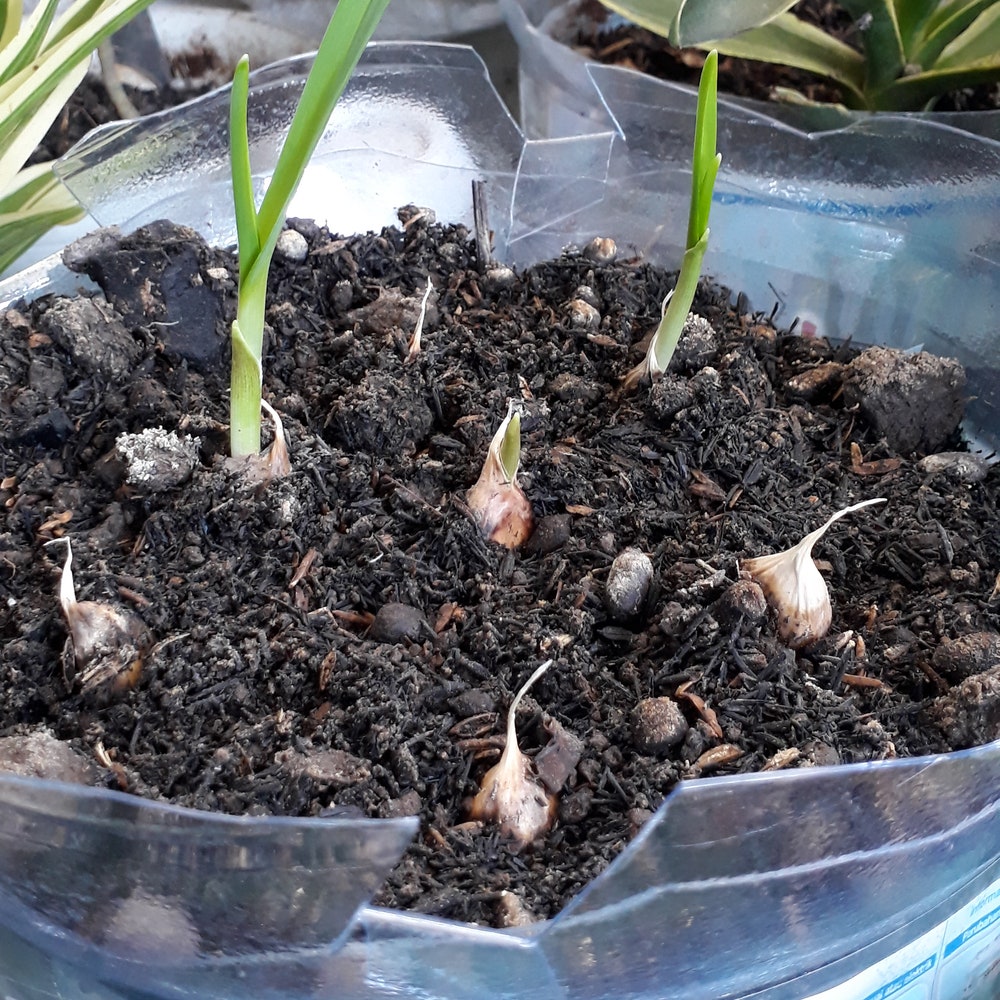
Interestingly, Allium sativum doesn't rely on flowers for reproduction. Instead, it primarily reproduces vegetatively through bulb division.
This means that gardeners can easily propagate new plants by separating and replanting the bulbs. This method is efficient and ensures a continuous supply of garlic without the need for flowering.
In summary, whether through its culinary value or its attractive foliage, Allium sativum remains a beloved plant, even in the absence of flowers. As we explore further, let’s delve into the unique aspects of this fascinating plant.
Unique Aspects
🌸 Unusual Characteristics Related to Flowering or Non-Flowering
Allium sativum, commonly known as garlic, often flies under the radar when it comes to its flowering potential. Most gardeners focus on its culinary uses, overlooking the fact that its flower spikes can be quite visually striking if allowed to bloom.
These flower spikes, with their spherical clusters, can add an unexpected charm to any garden. When you let them flourish, you might just find a new appreciation for this plant beyond its delicious bulbs.
🤔 Interesting Facts or Trivia About Reproductive Strategies
Did you know that Allium sativum has been cultivated for thousands of years? While it's primarily grown for its flavorful bulbs, its reproductive strategies are equally fascinating.
This plant has a remarkable ability to self-pollinate, ensuring that it can reproduce even in isolated conditions. This resilience makes it a reliable choice for gardeners looking to cultivate garlic without the need for external pollinators.
In essence, whether you're drawn to its culinary appeal or its unique flowering characteristics, Allium sativum offers a wealth of intriguing aspects to explore. As we transition to the next section, let's delve into the primary ornamental and functional features of this remarkable plant.
⚠️ Safety First
This content is for general information and may contain errors, omissions, or outdated details. It is not medical, veterinary advice, or an endorsement of therapeutic claims.
Always consult a qualified healthcare professional before using any plant as food, medicine, or supplement.
Never eat any plant (or feed one to pets) without confirming its identity with at least two trusted sources.
If you suspect poisoning, call Poison Control (800) 222-1222, the Pet Poison Helpline (800) 213-6680, or your local emergency service immediately.
Spotted an error? Please report it here.
Unlock the hidden beauty of garlic blooms 🌸 with Greg's tailored care reminders, ensuring your Allium sativum flourishes and adds charm to your garden!