Understanding Garlic Height
Allium sativum
By the Greg Editorial Team
Jul 22, 2024•6 min read
This article was created with the help of AI so we can cover more plants for you. May contain errors. See one? Report it here.
Grow garlic that's as robust in flavor as it is in size with these expert gardening tips! 🌱
- 🌱 Garlic size matters for garden space optimization and culinary potency.
- 🌡️🌞 Soil, climate, and sunlight crucially influence garlic's growth and size.
- 📏 Manage size with soil management, pruning, and pest control techniques.
Garlic Size Overview
Gardening with garlic requires a good grasp of its mature dimensions to optimize space and yield. Knowing the height and spread of your garlic plants is crucial for garden planning, ensuring each plant has enough room to thrive without overcrowding.
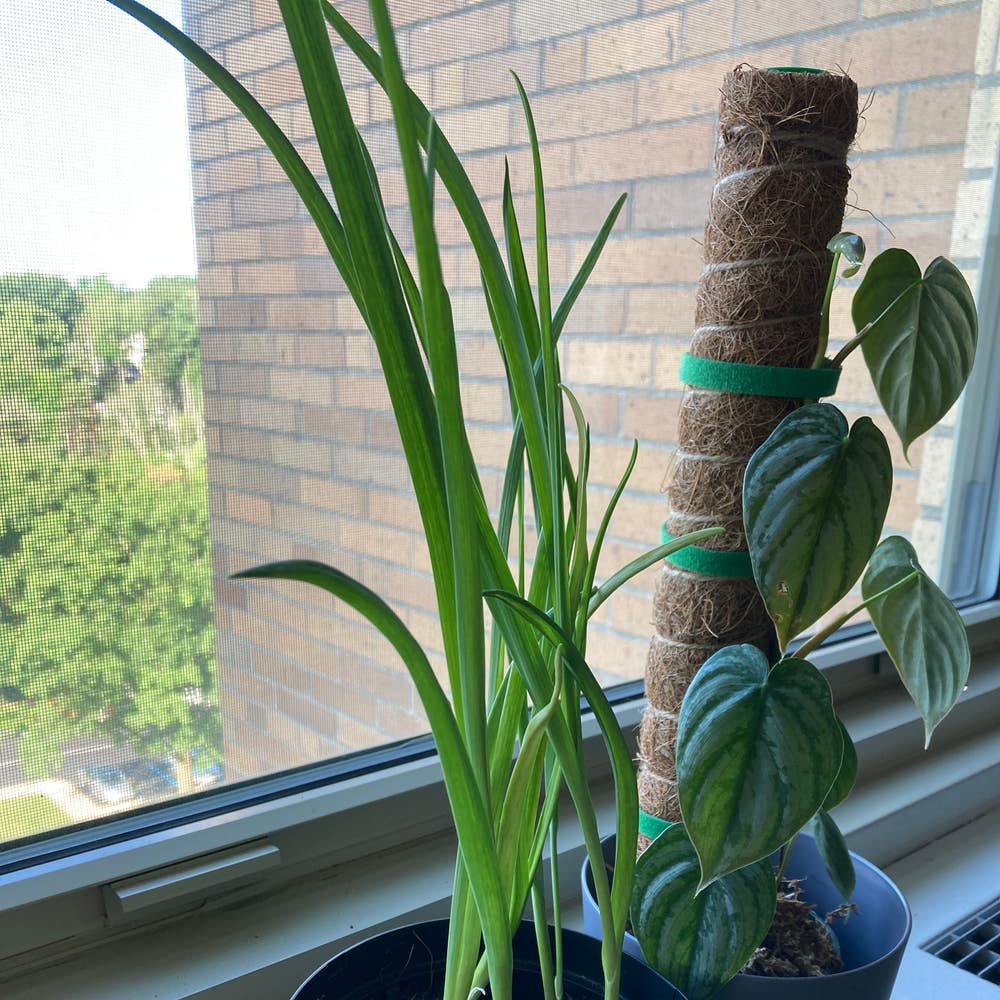
- Mature garlic plants typically reach about 60 cm (2 feet) in height.
- The spread of a garlic plant's roots and foliage can influence the spacing in your garden layout.
Garlic's size is not just a matter of garden aesthetics; it's integral to its culinary potency and storage quality. Larger bulbs often mean more flavorful cloves, and understanding the growth patterns of garlic can lead to a more bountiful and delicious harvest.
Mature Dimensions
Garlic plants, when fully mature, typically stand between 18 inches to 24 inches tall with a spread that can reach up to 12 inches. This size allows each plant to have sufficient space for bulb development and ensures good air circulation, which is vital for healthy growth.
- The height and spread of garlic can be influenced by the variety planted; some may grow slightly taller or shorter.
- Growth conditions such as soil quality, water availability, and climate significantly impact the size of garlic plants.
Understanding the size variability is crucial for gardeners. It helps in planning the layout of a garden and ensuring that each garlic plant has enough room to thrive without competing for resources.
- Softneck varieties tend to be more compact, while hardneck varieties can grow a bit taller.
- Environmental factors like nutrient-rich soil and optimal sunlight can encourage garlic to reach its maximum potential size.
Growth Dynamics
Garlic's journey from clove to mature plant is a dance with nature, where environmental cues lead. Factors such as photoperiod—the length of daylight—and temperature are pivotal in steering garlic's growth rate and size. For instance, longer daylight hours coupled with temperatures above 20 degrees Celsius are known to boost both bulb production and quality.
- Photoperiod influences the timing of key growth stages, like bulbing, with longer days accelerating the process.
- Temperature plays a dual role, affecting not only the rate of growth but also the timing of developmental milestones.
Garlic's genetic makeup also plays a starring role in its growth narrative. Different varieties respond uniquely to environmental stimuli, with some bred for larger size or faster growth. The interplay of genetics and conditions can result in a wide array of growth outcomes, from petite bulbs to sizable harvests.
The timeline for garlic to strut to full maturity typically spans several months. Under optimal conditions, garlic plants can flaunt their full size within:
- 8 to 9 months for hardneck varieties, which may require vernalization—a period of cold to initiate growth.
- 7 to 8 months for softneck varieties, which are generally more flexible with temperature requirements.
Understanding these dynamics is key for gardeners aiming to harvest garlic that meets their culinary or market needs.
Impact of Conditions
Garlic's size is not just a matter of genetics; it's a dance with the environment. Soil, climate, and sunlight are the lead partners in this tango, each step altering the plant's final stature.
- Soil that is rich, well-drained, and amply supplemented with organic matter sets the stage for robust growth. A soil test can reveal the pH balance and nutrient levels, guiding amendments for optimal garlic development.
- Climate plays a pivotal role, with garlic demanding a cold period, known as vernalization, to cue bulb formation. In warmer climates without this chill, garlic may not form bulbs properly.
- Sunlight is the spotlight that drives the entire performance. Garlic thrives under full, direct sun, which not only encourages bulb growth but also enhances the plant's overall vigor.
🧚♀️ Dwarf and Giant Varieties
In the world of garlic, size does matter, and there are varieties that defy the standard dimensions.
- Dwarf garlic, though petite, can be a powerhouse of flavor, fitting snugly into smaller garden plots or containers.
- Giant garlic varieties, on the other hand, are the showstoppers with their impressive bulb size and a stronger presence in the garden.
Understanding these characteristics can help gardeners choose the right type for their culinary needs and space constraints. Whether aiming for subtle accents or bold statements in the garden, there's a garlic size to match.
Size Management
Garlic's size can be managed with a few strategic techniques, ensuring your garden space is used efficiently and your plants remain healthy.
- Soil and Nutrition: Begin with rich, well-draining soil amended with compost and slow-release fertilizer to give garlic the nutrients it needs without promoting excessive growth.
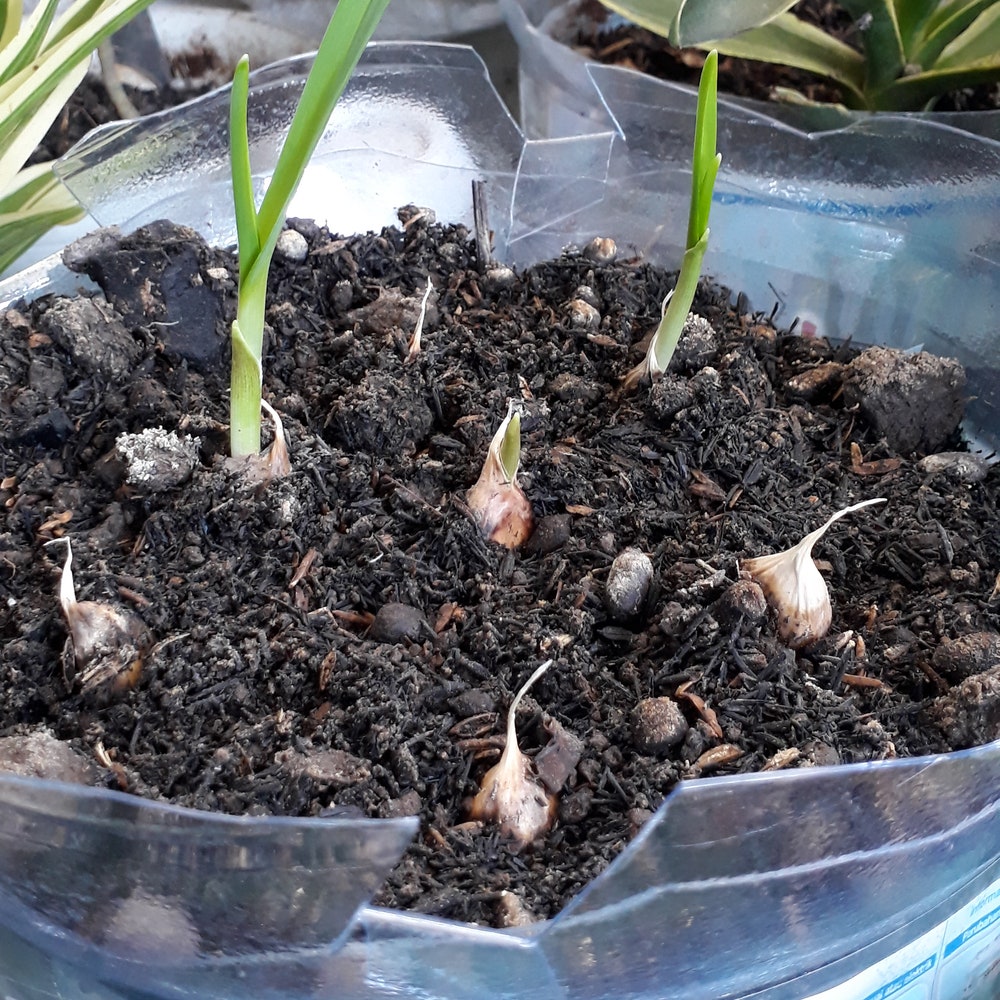
- Planting Choices: Select the size of your garlic seed stock carefully; larger cloves often lead to larger bulbs.
- Pruning: Trim garlic scapes to direct the plant's energy into bulb growth rather than flower production, which can also improve air circulation and reduce disease risk.
- Watering and Mulching: Maintain consistent moisture levels with mulching to prevent stress that can affect size, and use a moisture meter to avoid over or under-watering.
- Pest and Disease Management: Regularly inspect plants and keep the garden clean to prevent pests and diseases that can stunt growth.
- Container Growing: For more control over growth conditions, consider growing garlic in containers, which allows for quick adjustments to location and soil conditions.
Apply these techniques with consideration of your garden's specific needs and keep a close eye on your garlic plants as they develop. Adjust your approach as needed to achieve the desired size and health of your garlic crop.
Applying Knowledge
Gardening is a dynamic art; your garlic crop is a testament to that. To coax your garlic to its full potential, keen observation and timely adjustments are key. Here's how to put your newfound knowledge into practice:
- Monitor Growth: Keep a close eye on your garlic's development. Use a yardstick or any measurement tool to track progress and ensure your plants have the space they need to thrive.
- Adjust Practices: If your garlic is underperforming, consider the insights from this article. Is your soil rich enough? Are you pruning scapes to redirect energy to the bulbs? Make changes as needed.
- Record Keeping: Maintain a garden journal. Note down the size of cloves planted and the resulting bulb size. This will help you select the best 'seed stock' for future planting.
- Adapt to Conditions: Stay vigilant to weather changes and local conditions. Adapt your watering, soil amendments, and planting times to suit your garlic's needs.
- Continuous Improvement: Each season, aim to plant larger cloves from your best bulbs. This practice can lead to a gradual improvement in the size and health of your garlic crop over time.
By embracing these practices, you can influence the size and quality of your garlic. Remember, the smallest adjustments can have a profound impact on your harvest. Keep experimenting, and enjoy the journey of growing robust garlic that's tailored to your garden's unique rhythm.
⚠️ Safety First
This content is for general information and may contain errors, omissions, or outdated details. It is not medical, veterinary advice, or an endorsement of therapeutic claims.
Always consult a qualified healthcare professional before using any plant as food, medicine, or supplement.
Never eat any plant (or feed one to pets) without confirming its identity with at least two trusted sources.
If you suspect poisoning, call Poison Control (800) 222-1222, the Pet Poison Helpline (800) 213-6680, or your local emergency service immediately.
Spotted an error? Please report it here.
Grow giant garlic bulbs 🧄 with ease by letting Greg track your soil and sunlight, ensuring your cloves reach their full, flavorful potential!