What Are The Bugs on My Garlic? πŸ›

Allium sativum

By the Greg Editorial Team

Jun 18, 20244 min read

This article was created with the help of AI so we can cover more plants for you. May contain errors. See one? Report it here.

Unearth the secret to safeguarding your garlic from sneaky pests πŸ› and secure a thriving harvest! 🌱

Garlic
  1. Garlic's odor isn't foolproof; pests like spider mites and scale bugs can invade.
  2. Sticky traps, soaps, and oils help control various garlic-loving bugs.
  3. Prevent pests with inspections, diverse ecosystems, and proper plant care.

Introduction

Garlic plants, with their pungent aroma, might seem like natural pest repellents, but don't be fooled. Even these robust plants can fall victim to a variety of bugs that see past the strong odor. In this section, we'll spot the trouble signs indicating your garlic might be hosting unwanted guests and introduce you to the usual suspects responsible for the havoc.

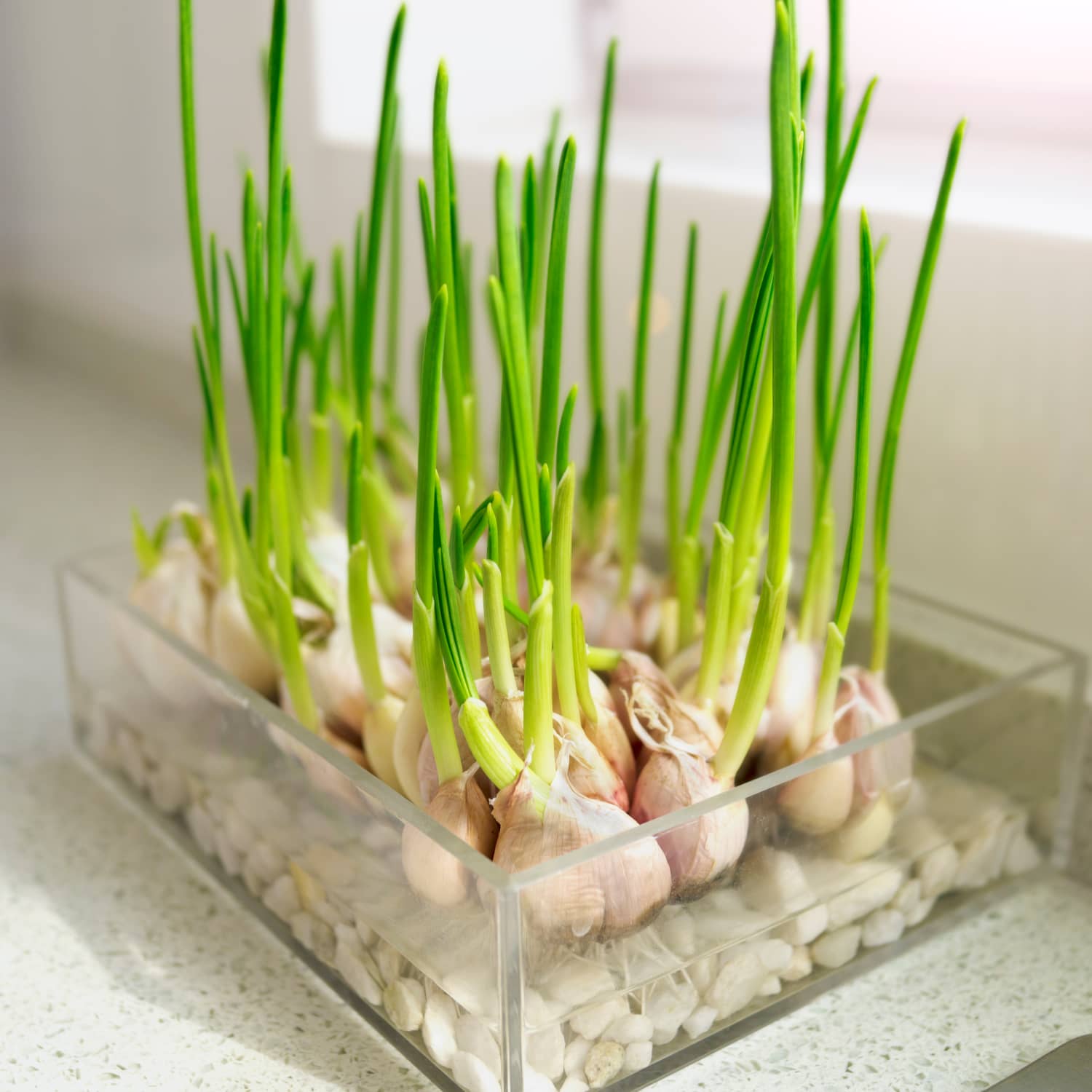
Garlic plant in a glass jar with soil, placed on a wooden surface.

Meet the Garlic Crashers

πŸ•·οΈ Spider Mites: The Tiny Terrors

Spotting the signs

Webbing on your garlic plants? You might be hosting spider mites. Look for tiny, spider-like pests and yellow or bronze leaf discoloration.

Combat strategies

Garlic oil spray can be a natural deterrent. Mix crushed garlic with vegetable oil, let it infuse, then add water and a drop of dish soap. Spray thoroughly.

Keeping guard

Wipe down leaves regularly. Introduce predatory insects, like ladybugs, that feast on mites. Keep your garden clean to avoid mite migration.

🦟 Scale: The Sticky Bandits

Unmasking scale

Scale bugs look like small, brownish bumps on plant stems and leaves. They excrete sticky honeydew, attracting sooty mold.

Winning the battle

Insecticidal soaps or neem oil can help control scale. Apply thoroughly to affected areas. For severe cases, consider spinosad, a natural insecticide.

Fortifying your garlic

Prevent scale by rotating crops and avoiding monoculture. Inspect new plants before introducing them to your garden to prevent hitchhiking scale.

🦟 Fungus Gnats and Fruit Flies: The Fungal Fanatics

Detecting the buzz

Yellow sticky traps near your plants can catch adult gnats and flies. Look for tiny, dark-bodied insects with humped backs.

Clearing the air

Reduce overwatering and overfertilizing, which create ideal breeding grounds. Use a hydrogen peroxide soil drench to kill larvae.

Air defense

Ensure good air circulation around plants. Use soil covers to prevent adults from laying eggs. Regularly clean up plant debris to remove habitats.

πŸ› Mealybugs: The Cotton-Clad Clingers

The white warning

Mealybugs appear as white, cottony masses in leaf axils or under leaves. Sticky honeydew and sooty mold are signs of their presence.

Eradication mission

Dab individual mealybugs with alcohol on a cotton swab. For larger infestations, apply insecticidal soap or neem oil sprays.

Mealybug moats

Inspect new plants and quarantine them if necessary. Keep ants in check, as they protect mealybugs from predators.

πŸ¦— Aphids and Thrips: The Sap-Sucking Squads

Aphids: The sticky situation

Aphids leave behind a sticky residue and can cause leaves to yellow. They're visible and range in color.

Thrips: The silent sippers

Thrips leave whitish spots and a silvery hue on leaves. Avoid planting garlic after crops like brassicas or grains, which can harbor thrips.

Double trouble tactics

Use yellow sticky traps for early detection. Apply spinosad or insecticidal soap for control. Introduce beneficial insects like lacewings.

Prevention playbook

Regular inspections are key. Use floating row covers to keep pests away. Maintain a diverse garden ecosystem to encourage natural predators.

Potted garlic plants with long green leaves and a wooden 'Herbs' marker.

Conclusion

In the trenches of garlic cultivation, the battle against pests is ongoing. It's about integrating vigilance with smart, proactive strategies.

🌱 The Big Picture

Garlic, despite its pungent reputation, isn't impervious to pests. The key lies in a trifecta of identification, control, and prevention. Recognize the enemyβ€”be it aphids, thrips, or the stealthy spider miteβ€”and strike with precision. Use beneficial insects like ladybugs or nematodes as your allies. Remember, healthy garlic plants with proper light, water, and nutrients are your first line of defense.

🚨 A Reminder of Vigilance

Stay alert. Regular inspections are non-negotiable. Quarantine new plants to prevent any pest invasion. Rotate crops and consider raised beds to outsmart the ground-dwelling villains. And if you must, go for organic insecticides like spinosad, but sparingly.

In essence, treat your garlic garden as a fortressβ€”fortify with good practices and keep the drawbridge up against pests. Keep it up, and you'll enjoy the fruits (or bulbs) of your labor, sans the creepy crawlies.

Garlic plant growing in a jar with soil, green shoots visible.

⚠️ Safety First

This content is for general information and may contain errors, omissions, or outdated details. It is not medical, veterinary advice, or an endorsement of therapeutic claims.

Always consult a qualified healthcare professional before using any plant as food, medicine, or supplement.

Never eat any plant (or feed one to pets) without confirming its identity with at least two trusted sources.

If you suspect poisoning, call Poison Control (800) 222-1222, the Pet Poison Helpline (800) 213-6680, or your local emergency service immediately.

Spotted an error? Please report it here.

Banish bugs from your garlic plants with vigilant care πŸ›‘οΈ using Greg's precise reminders for inspections and organic treatment schedules.