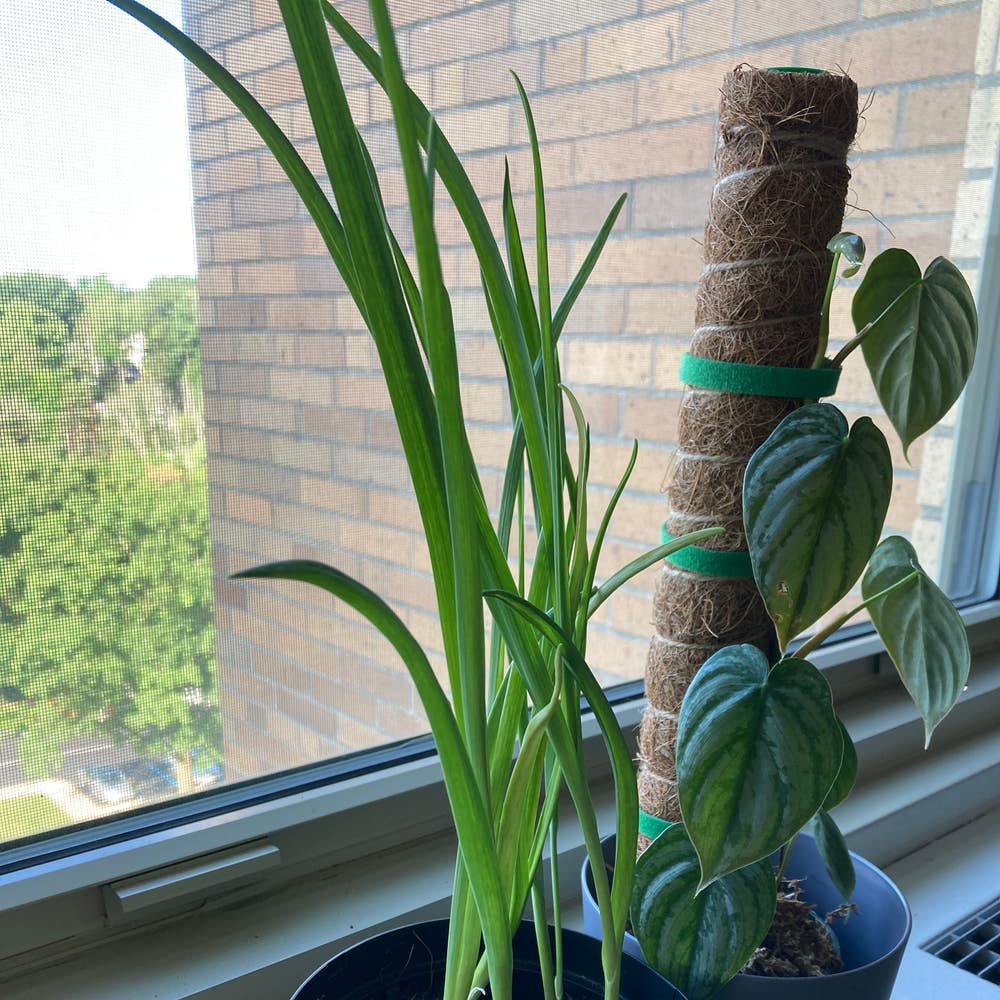
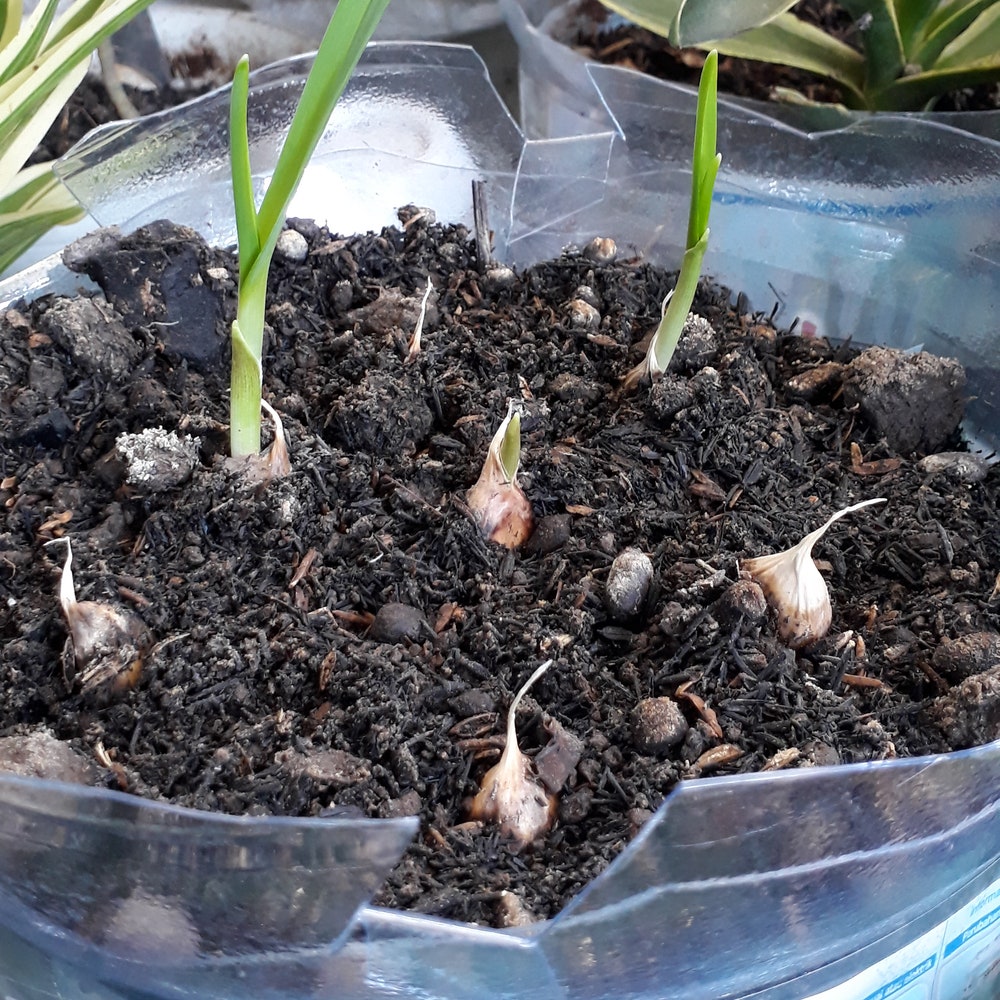
🧄 How Often Should I Water My Garlic?
Allium sativum
By the Greg Editorial Team
Jun 18, 2024•3 min read
This article was created with the help of AI so we can cover more plants for you. May contain errors. See one? Report it here.
Nurture flavorful garlic bulbs 🧄 with the right watering touch—less guesswork, more gusto!
- Check soil moisture before watering; dry to the knuckle means water time.
- Adjust for weather: More in dry spells, less when wet.
- Balance is key: Too much or too little water affects bulb size and health.
Nailing the Watering Frequency for Thriving Garlic
💧 When to Water: Reading the Soil's Mood
Check the soil moisture before you even think about watering. Stick a finger in the dirt; if it's dry up to your first knuckle, it's time to quench your garlic's thirst. If it's damp, back off, champ.
Weather patterns play a crucial role in your watering schedule. If Mother Nature's being stingy with the rain, you'll need to step in more often. Conversely, if she's throwing a wet party, you can be a bit more hands-off.
🌱 Garlic's Growth Phases and Water Demands
During the sprouting phase, your garlic is like a toddler—needy and a bit delicate. Keep the soil consistently moist to encourage those green shoots to reach for the sky.
As your garlic moves into the bulb-bulking phase, it's like a teenager—still hungry but not quite as demanding. Adjust your watering to slightly less frequent but still deep enough to support solid growth.

Spotting Trouble: Too Much or Too Little H2O
🌊 The Dangers of Overindulgence: Overwatering Woes
Yellow leaves and soggy soil are the hallmarks of overwatering. Your garlic isn't trying to swim; it's drowning in excess H2O. Overwatering invites a host of issues, from fungus to root rot. If your garlic's leaves are more yellow than a school bus, it's time to reassess your watering habits.
🏜️ The Perils of Neglect: Underwatering Signs
Wilting and weakness in garlic plants scream for hydration. Underwatering can stunt growth, leaving bulbs undersized and lacking that punchy flavor. If your garlic looks as sad as a forgotten houseplant, it's begging for a drink. Remember, a parched plant is a pitiful sight, and your garlic deserves better.

Adapting to Mother Nature's Whims
💧 Drought Decisions: Watering When the Rain Won't Come
Garlic doesn't do rain dances, so when the skies are stingy, you've got to step in. In the face of a drought, increase watering frequency and volume, but don't drown your bulbs in a flood of overcompensation. Aim for soil that's moist to the touch—an inch down should feel like a wrung-out sponge, not a desert.
💦 Flood Fears: Holding Back When the Clouds Won't Quit
Conversely, if it's raining cats and dogs, give the watering can a rest. Garlic needs to breathe, not swim. Skip watering sessions when the soil is already wet from generous rainfall. Overly soggy soil can lead to root rot and other fungal nightmares. Remember, garlic prefers tough love to coddling.

⚠️ Safety First
This content is for general information and may contain errors, omissions, or outdated details. It is not medical, veterinary advice, or an endorsement of therapeutic claims.
Always consult a qualified healthcare professional before using any plant as food, medicine, or supplement.
Never eat any plant (or feed one to pets) without confirming its identity with at least two trusted sources.
If you suspect poisoning, call Poison Control (800) 222-1222, the Pet Poison Helpline (800) 213-6680, or your local emergency service immediately.
Spotted an error? Please report it here.
Ensure your garlic thrives with personalized 💧 reminders from Greg, taking the guesswork out of when to water for that perfect balance of care.