Allium sativum Is Not a Perennial 🧄
Allium sativum
By the Greg Editorial Team
Jul 22, 2024•3 min read
This article was created with the help of AI so we can cover more plants for you. May contain errors. See one? Report it here.
Master the fleeting beauty of Allium sativum 🌱 and elevate your garden's annual symphony 🎇.
- Garlic is an annual: completes life cycle in one season.
- Misconceptions addressed: It's not perennial, despite self-seeding.
- Garden design tip: Pair with perennials for visual interest.
Defining Annual Plants
🏃♂️ Annual Lifecycle Explained
Annual plants, like sprinters in the plant kingdom, race through their life cycle in just one year. They germinate, bloom, produce seeds, and die within this tight timeframe, a journey marked by rapid growth and a singular purpose: to ensure the next generation.
🌿 Allium sativum's Annual Cycle
Allium sativum, known for its pungent bulbs, is no exception to the annual rule. It bursts from the soil as a sprout, unfurls its leaves, and by the end of the season, it has matured and is ready to be harvested. Here's how it unfolds:
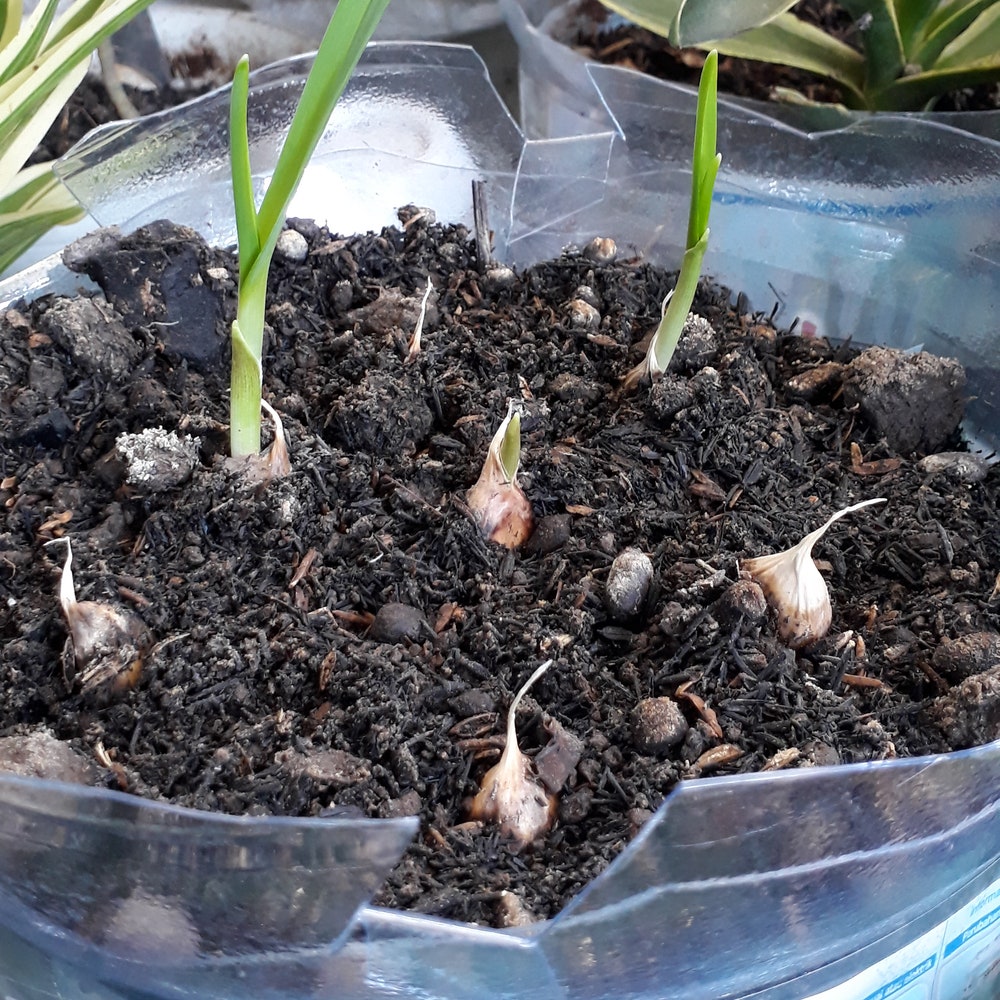
- Planting: Typically in the fall, cloves are nestled into the earth.
- Growth: Leaves shoot up in cool weather, harnessing winter's chill.
- Maturity: As warmth returns, bulbs swell, signaling it's time to harvest.
- End of Cycle: Once harvested, the plant's life concludes, but the cloves are ready to start the cycle anew if replanted.
Misconceptions Clarified
🌱 Not a Perennial
Garlic, or Allium sativum, often falls prey to classification confusion. Let's set the record straight: it's an annual, not a perennial. This means it completes its life cycle within a single growing season, from seed to bloom to seed again, and does not return from the same roots after winter.
🔄 Perennial-like Behaviors Explained
In some cases, Allium sativum might seem to defy its annual nature. Here's why:
- Self-seeding: If conditions are right, garlic can drop seeds that germinate without intervention, giving the impression it's returning annually.
- Climate resilience: In milder climates, some garlic varieties might survive longer, sprouting new shoots from bulbs left in the ground.
However, these instances are exceptions and do not change the plant's inherent annual classification.
Designing with Annuals
🌸 Garden Integration
Integrating Allium sativum into a perennial garden adds a dynamic element to the landscape. Here's how to weave this annual into your garden tapestry:
- Plant Allium sativum in groups among perennials for a burst of color before other plants peak.
- Use Allium sativum to fill gaps in perennial borders, ensuring a continuous display as different plants come into bloom.
- Consider the height and color of Allium sativum when placing it near perennials to create a harmonious visual flow.
- Remember that Allium sativum attracts pollinators, so position it where bees and butterflies can easily access both the garlic flowers and adjacent perennials.
🎇 Maximizing Impact
To make the most of Allium sativum's seasonal show, follow these strategies:
- Plant in well-drained soil and full sun, as Allium sativum thrives in these conditions.
- Pair with perennials that have complementary colors or contrasting textures for visual interest.
- After Allium sativum has bloomed, allow the foliage to die back naturally, as it provides nutrients for next year's growth.
- If self-seeding occurs, let some Allium sativum plants grow to give the illusion of perennials in the garden.
⚠️ Safety First
This content is for general information and may contain errors, omissions, or outdated details. It is not medical, veterinary advice, or an endorsement of therapeutic claims.
Always consult a qualified healthcare professional before using any plant as food, medicine, or supplement.
Never eat any plant (or feed one to pets) without confirming its identity with at least two trusted sources.
If you suspect poisoning, call Poison Control (800) 222-1222, the Pet Poison Helpline (800) 213-6680, or your local emergency service immediately.
Spotted an error? Please report it here.
Cultivate your Allium sativum with confidence and enjoy a flourishing garlic harvest 🧄 each year, with Greg's custom care reminders tailored to your garden's needs.