🧄 How to Manage Allium sativum Weeds
Allium sativum
By the Greg Editorial Team
Jul 22, 2024•6 min read
This article was created with the help of AI so we can cover more plants for you. May contain errors. See one? Report it here.
Unearth garlic's secret life 🌱 beyond the kitchen, shaping ecosystems and green farming practices.
- 🌱 Garlic (Allium sativum) is often misidentified as a weed.
- 🐝 Plays key ecological role, offers natural pest control, and attracts pollinators.
- 📜 Rich in history and health benefits, garlic is more than a culinary staple.
Misconceptions Clarified
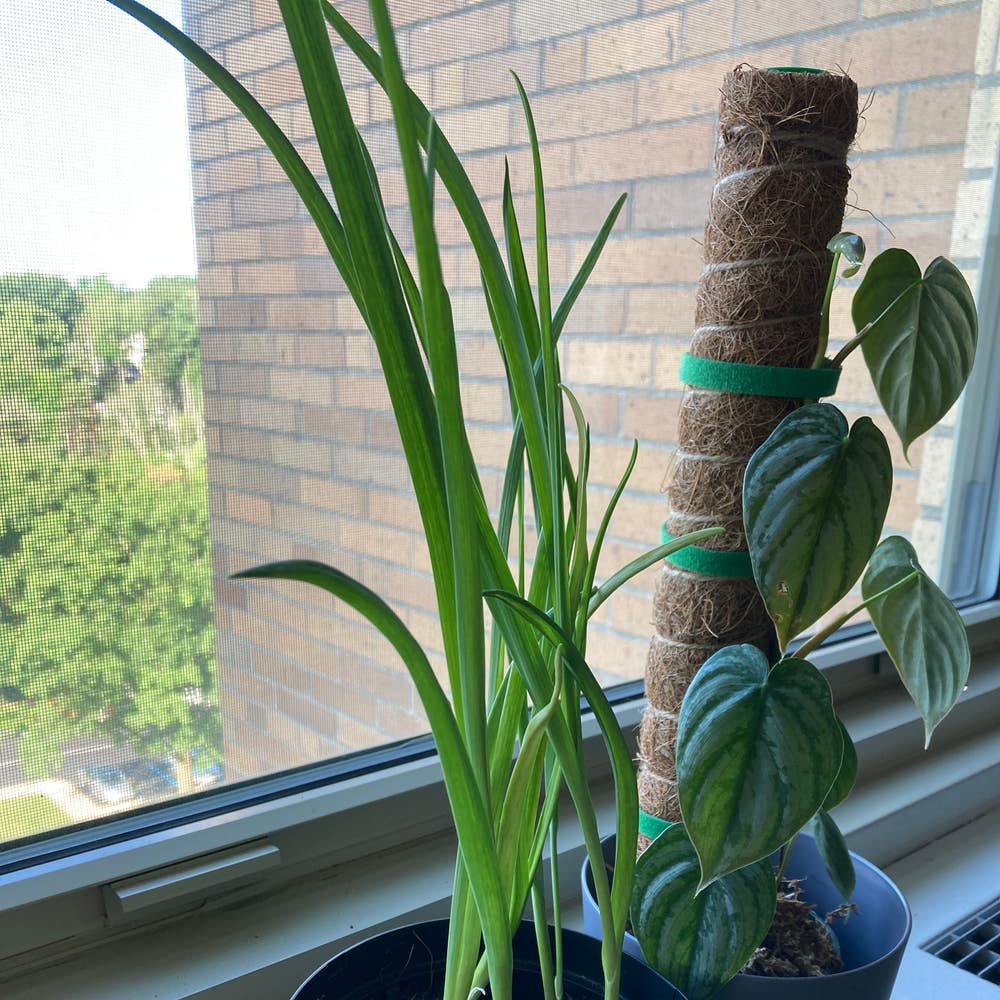
Garlic, known scientifically as Allium sativum, is often mistaken for an unwelcome plant in gardens. However, this confusion stems from a lack of understanding about what truly constitutes a weed.
- Clarifying the confusion: Allium sativum is a cultivated species valued for its flavor and health benefits, not a weed. Its presence in gardens is usually intentional, contrasting with the accidental or uncontrolled spread of true weeds.
- Criteria for classifying plants as weeds or invasive species:
- Rapid and uncontrolled spread that disrupts ecosystems or outcompetes native flora.
- Ability to thrive in various environments without human intervention.
- Negative impact on agriculture, natural resources, or biodiversity.
- Lack of natural predators or controls in non-native regions.
Understanding these criteria helps gardeners and ecologists make informed decisions about plant management and conservation efforts.
Ecological and Agricultural Role
Garlic, beyond its culinary fame, plays a multifaceted role in garden ecosystems and agriculture. It's not just a plant; it's a mini-ecosystem manager.
- Garlic extracts are known for their pesticide properties, which can protect plants from pests and diseases.
- However, moderation is key, as its broad-spectrum effects might harm beneficial soil microbes and insects.
Garlic also weaves its magic in attracting pollinators.
- Flies, bees, and even butterflies are drawn to its nectar, bolstering pollination and biodiversity.
But garlic's ecological narrative is complex.
- It can indicate the long-term presence of woodlands, as wild garlic is slow to colonize new areas.
- It also serves as a host plant for certain hoverflies, while its bulbs provide food for various wildlife.
In agriculture, garlic's role is equally significant.
- It can be a friend to farmers practicing organic farming, offering a natural pest control solution.
- Yet, its allelopathic properties, similar to other plants, could inhibit the growth of nearby crops if not managed carefully.
Understanding garlic's dual nature is crucial.
- It can support a thriving ecosystem and sustainable agriculture when integrated thoughtfully.
- But without proper management, it might compete too aggressively with other crops, impacting overall biodiversity.
Benefits and Uses
Garlic, known scientifically as Allium sativum, is not just a flavorful kitchen staple but also a plant with a storied past and significant health benefits. Its pungent bulbs have seasoned dishes worldwide and have been a cornerstone in culinary traditions for millennia.
- Historical significance: Garlic has been revered across various cultures for its medicinal properties, often interwoven with folklore and tradition.
- Culinary uses: It's a versatile ingredient that enhances soups, stews, sauces, and more, with every part of the plant being edible.
Garlic's medicinal properties are backed by modern research, affirming its role in promoting heart health and supporting the immune system.
- Cardiovascular benefits: It's associated with improved heart health, including managing cholesterol levels and blood pressure.
- Immune support: Garlic is believed to bolster the immune system, potentially reducing the severity and duration of colds and other illnesses.
Culturally, garlic has been a symbol of protection and health, featuring in celebrations and even folklore as a ward against evil.
- Cultural symbolism: From warding off vampires in European folklore to symbolizing good health in the Persian New Year, garlic's role extends beyond the kitchen.
- Health symbolism: It represents medicine and well-being in various cultural practices, highlighting its perceived potency in promoting health.
Management Strategies
Preventing the unintentional spread of garlic in gardens starts with mindful planting and diligent maintenance. Here’s how to keep Allium sativum in check and ensure it adds value to your garden without becoming a nuisance.
🌱 Manual Cultivation Techniques
Garlic cultivation requires a strategic approach to maximize yield and minimize unwanted spread:
- Source seed garlic from reputable suppliers to avoid disease.
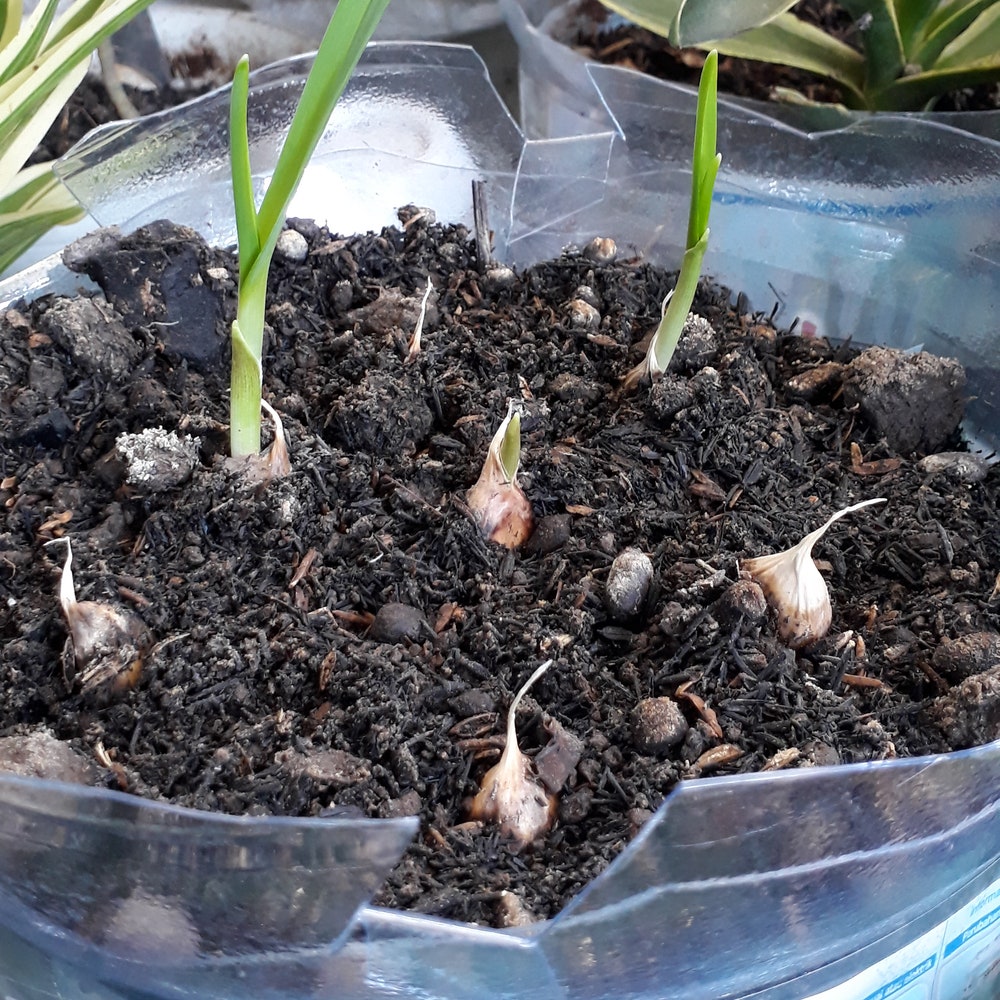
- Plant healthy, vigorous cloves, pointed side up, 2-3 inches deep and about 6 inches apart.
- Use mulch to regulate soil temperature and suppress weeds, ensuring it's free of pesticides and weed seeds.
- Rotate your garlic crops annually to prevent soil-borne diseases.
- After harvest, remove all plant debris from the field to reduce the risk of disease.
🌿 Integrating Garlic in Gardens
Garlic can play a beneficial role in garden ecosystems when integrated thoughtfully:
- Use garlic as a companion plant to deter pests from more vulnerable crops.
- Consider intercropping garlic with other vegetables, such as lettuce, to optimize space and pest management.
- Maintain weed-free beds and apply mulch to nourish garlic plants and keep down weeds.
🌳 Addressing Overgrowth
When garlic growth becomes excessive, it's time to take action:
- Manually pull or carefully dig out unwanted garlic, ensuring you remove the entire bulb to prevent regrowth.
- For larger areas, precision cultivation can help remove garlic without disturbing desired plants.
- Avoid composting garlic debris to prevent the spread of any potential diseases.
Legal and Regulatory Aspects
Garlic, known scientifically as Allium sativum, is subject to various regulations that govern its cultivation and sale. These regulations are designed to ensure the integrity of agricultural practices and the safety of consumers.
Cultivation Compliance:
- Adherence to agricultural standards is crucial for garlic growers.
- Regulations may include the use of certified virus-free germplasm and clean planting materials.
Sale and Distribution:
- Retailers, including online merchants, must comply with state and international laws.
- Specific guidelines may govern the labeling, marketing, and transport of garlic products.
Protected Status:
- Some garlic varieties have protected status in regions like the UK and the EU.
- This status can affect the cultivation, sale, and use of these garlic strains.
Pesticide and Nematicide Use:
- Garlic-derived products used for pest control are subject to approval by regulatory bodies.
- Compliance with these regulations ensures environmental safety and public health.
Storage and Processing:
- Garlic storage, such as in oil, requires safety measures to prevent spoilage and bacterial growth.
- Regulations may dictate storage conditions, including temperature and humidity levels.
Legal Responsibilities:
- Landholders and cultivators must be aware of their legal responsibilities.
- This includes the management of garlic in accordance with statutory plans where applicable.
By staying informed and compliant with these legal and regulatory aspects, individuals and businesses can cultivate and sell garlic responsibly, contributing to sustainable agricultural practices and consumer safety.
⚠️ Safety First
This content is for general information and may contain errors, omissions, or outdated details. It is not medical, veterinary advice, or an endorsement of therapeutic claims.
Always consult a qualified healthcare professional before using any plant as food, medicine, or supplement.
Never eat any plant (or feed one to pets) without confirming its identity with at least two trusted sources.
If you suspect poisoning, call Poison Control (800) 222-1222, the Pet Poison Helpline (800) 213-6680, or your local emergency service immediately.
Spotted an error? Please report it here.
Harness the power of garlic in your garden and prevent overgrowth with customized care plans 🧄 from Greg, ensuring a thriving ecosystem and compliance with gardening best practices.