Why Cuban Oregano is Considered Invasive
Coleus amboinicus
By the Greg Editorial Team
Nov 24, 2024•7 min read
This article was created with the help of AI so we can cover more plants for you. May contain errors. See one? Report it here.
Uncover the hidden threat of Cuban oregano 🌿 to your garden and local ecosystems, and learn how to fight back!
- 🌱 Cuban oregano is invasive, rapidly spreading and competing with native plants.
- 🌍 It reduces biodiversity, altering ecosystems and threatening local flora.
- ⚠️ Effective management includes removal, monitoring, and understanding its growth habits.
Plant Classification
Definition of Weeds and Invasive Species 🌱
Weeds are unwanted plants that invade cultivated areas, competing fiercely with desired crops. In contrast, invasive species are non-native plants that spread aggressively, disrupting local ecosystems and often leading to significant ecological consequences.
Criteria for Classifying Cuban Oregano as Invasive 🌿
Cuban oregano meets several criteria that classify it as invasive. Its rapid spread allows it to quickly colonize new areas, while its competitive nature enables it to outcompete native plants for essential resources like light, water, and nutrients.
The ecological impact of Cuban oregano is profound; it alters habitats and reduces biodiversity, making it a significant threat to local flora. This aggressive behavior not only affects plant life but also disrupts the balance of entire ecosystems.
Comparison with Other Invasive Plants 🌍
Cuban oregano shares similarities with other notorious invasive species, such as kudzu and Japanese knotweed. Like these plants, it exhibits rapid growth and a tendency to dominate landscapes.
However, Cuban oregano differs in its growth habits and ecological impacts. While kudzu can smother trees and structures, Cuban oregano tends to form dense mats that suppress other vegetation, creating a unique set of challenges for land management.
Understanding these classifications helps in recognizing the potential threats posed by Cuban oregano and underscores the importance of effective management strategies.
Identification
Key Identifying Features 🌿
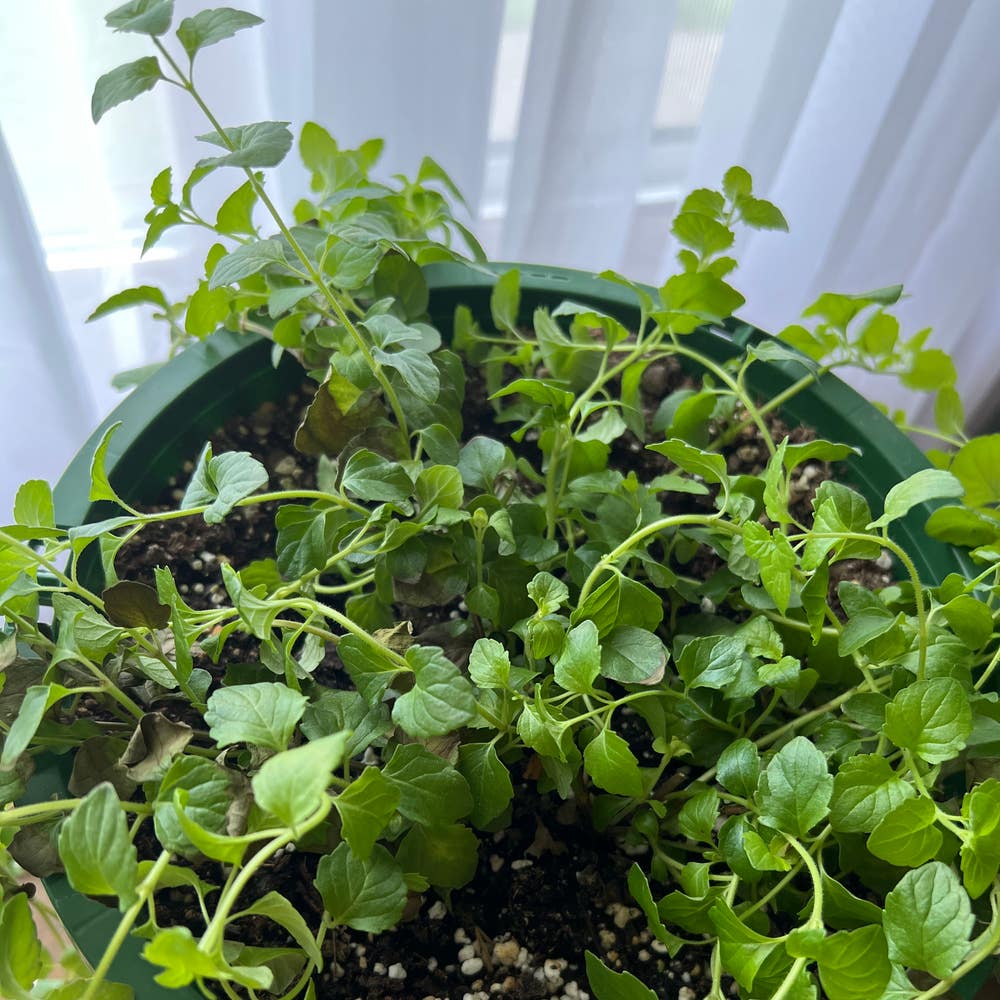
Cuban oregano is easily recognizable by its fleshy, oval-shaped leaves that emit a strong, aromatic scent. The leaves have a slightly serrated edge, which adds to their distinct appearance.
This plant typically grows in a sprawling manner, often reaching heights of up to 2 feet. It forms dense mats that can quickly cover large areas, making it a formidable presence in gardens and landscapes.
When it flowers, Cuban oregano produces small, tubular purple flowers that appear in clusters. These blooms add a pop of color, but they also signal the plant's reproductive capabilities.
Look-Alike Plants and Distinguishing Characteristics 👀
Cuban oregano can be confused with several similar species, particularly those in the Plectranthus genus. However, there are key differences that can help you identify it.
The leaf texture of Cuban oregano is thicker and more succulent compared to its look-alikes. Additionally, the strong aroma is a telltale sign, as many similar plants lack this characteristic scent.
Understanding these distinguishing features is crucial for effective identification and management of Cuban oregano in your garden. By recognizing it early, you can take steps to control its spread before it becomes a problem.
Growth Habits and Spread
Typical Growth Patterns 🌱
Cuban oregano is notorious for its rapid growth, often doubling in size within just a few weeks under optimal conditions. Its sprawling nature allows it to cover large areas, forming dense mats that effectively suppress other vegetation.
Reproductive Strategies and Methods of Spread 🌿
This plant employs aggressive reproductive strategies, primarily through vegetative reproduction. It roots easily from stem cuttings and can spread through runners, making it a formidable opponent in any garden.
While Cuban oregano is capable of producing seeds, this occurs less frequently in cultivated areas. The combination of vegetative and seed reproduction contributes to its invasive status.
Environmental Conditions Favoring Growth ☀️
Cuban oregano thrives in warm, humid environments with well-draining soil, making it particularly suited for tropical and subtropical regions. It can tolerate a range of light conditions but shows a clear preference for full sun, which enhances its growth potential.
Understanding these growth habits and environmental preferences is crucial for managing Cuban oregano effectively. By recognizing its rapid spread and adaptability, we can take proactive steps to mitigate its impact on local ecosystems.
Next, we will explore the ecological and economic impacts of Cuban oregano, highlighting the challenges it poses to native plant communities and agricultural systems.
Ecological and Economic Impact
🌱 Effects on Native Plant Communities
Cuban oregano is notorious for displacing native flora, leading to a significant reduction in biodiversity. By aggressively outcompeting local plants for essential resources like light, water, and nutrients, it alters the delicate balance of ecosystems.
This invasive species doesn't just take over; it changes the habitat structure itself. As Cuban oregano spreads, it can transform the composition of local ecosystems, making it harder for native species to thrive.
💸 Economic Losses Associated with Cuban Oregano
The economic implications of Cuban oregano's invasion are substantial. Farmers and landowners face rising costs related to management and control efforts, which can strain budgets and resources.
Additionally, the competition posed by Cuban oregano can lead to decreased crop yields. This not only affects individual farmers but can also ripple through local economies reliant on agriculture.
Understanding these impacts is crucial for effective management strategies. By recognizing the ecological and economic stakes, we can better appreciate the urgency of addressing Cuban oregano's spread.
As we delve deeper into control and management strategies, it's essential to consider both the challenges and the solutions available to mitigate this invasive threat.
Control and Management
Managing Cuban oregano effectively requires a combination of manual, chemical, and preventive strategies. Each method has its own set of best practices to ensure the invasive plant is kept in check.
🧤 Manual Removal Techniques and Best Practices
To start, identifying infested areas is crucial. Mark the boundaries clearly to avoid missing any spots.
Next, use hand tools like spades or hoes to dig out the roots and stems. This method is labor-intensive but effective in preventing regrowth.
Finally, dispose of the removed plants properly. This step is vital to ensure that the plant doesn’t re-establish itself in your garden.
🧪 Chemical Control Options and Safety Considerations
For those considering chemical options, herbicides can be effective. Glyphosate and other systemic herbicides are commonly used to target Cuban oregano.
However, safety is paramount. Always follow label instructions and wear protective gear to minimize exposure during application.
🦠 Biological Control Methods and Their Effectiveness
Biological control methods are another avenue worth exploring. Utilizing natural predators or competitors can help manage Cuban oregano populations.
Research is ongoing regarding the effectiveness of these methods and their ecological implications. It's essential to stay informed about potential impacts on local ecosystems.
🚧 Preventive Measures to Limit Spread
Preventing the spread of Cuban oregano is just as important as controlling existing populations. Regular monitoring of gardens and landscapes can help catch early signs of invasion.
Implementing barriers or mulching can also suppress growth. These proactive measures can save you time and effort in the long run.
🔍 Importance of Early Detection and Rapid Response
Early detection is key to managing Cuban oregano effectively. Quick identification allows for timely action, preventing the plant from establishing in new areas.
Adopting a rapid response strategy can significantly reduce the impact of this invasive species. Stay vigilant and proactive to protect your local ecosystem.
By employing these control and management techniques, you can help mitigate the effects of Cuban oregano. This not only preserves native plant communities but also enhances the overall health of your garden.
Legal Status and Potential Benefits
Overview of Laws and Regulations 🌍
Cuban Oregano is classified as an invasive species in many regions, leading to strict local and state regulations regarding its cultivation and sale. These laws often include restrictions on the transport and disposal of the plant to prevent its spread into new areas.
Historical and Current Beneficial Uses 🌿
Despite its invasive nature, Cuban Oregano has a rich history of traditional medicinal applications across various cultures. Additionally, it plays a significant role in Caribbean and Latin American cuisines, where its unique flavor enhances many dishes.
Emphasis on Negative Impacts ⚠️
While Cuban Oregano has its uses, it's crucial to prioritize ecosystem health over these potential benefits. Responsible management practices are essential to mitigate its negative impacts on local flora and fauna, ensuring that native ecosystems remain balanced and thriving.
In summary, understanding the legal status and potential benefits of Cuban Oregano is vital for effective management. As we move forward, it's essential to weigh these factors carefully against the ecological consequences of allowing this invasive plant to flourish.
⚠️ Safety First
This content is for general information and may contain errors, omissions, or outdated details. It is not medical, veterinary advice, or an endorsement of therapeutic claims.
Always consult a qualified healthcare professional before using any plant as food, medicine, or supplement.
Never eat any plant (or feed one to pets) without confirming its identity with at least two trusted sources.
If you suspect poisoning, call Poison Control (800) 222-1222, the Pet Poison Helpline (800) 213-6680, or your local emergency service immediately.
Spotted an error? Please report it here.
Protect your garden from the invasive Cuban oregano 🌱 by using Greg's plant identification and tailored management tips to keep your native ecosystems thriving!