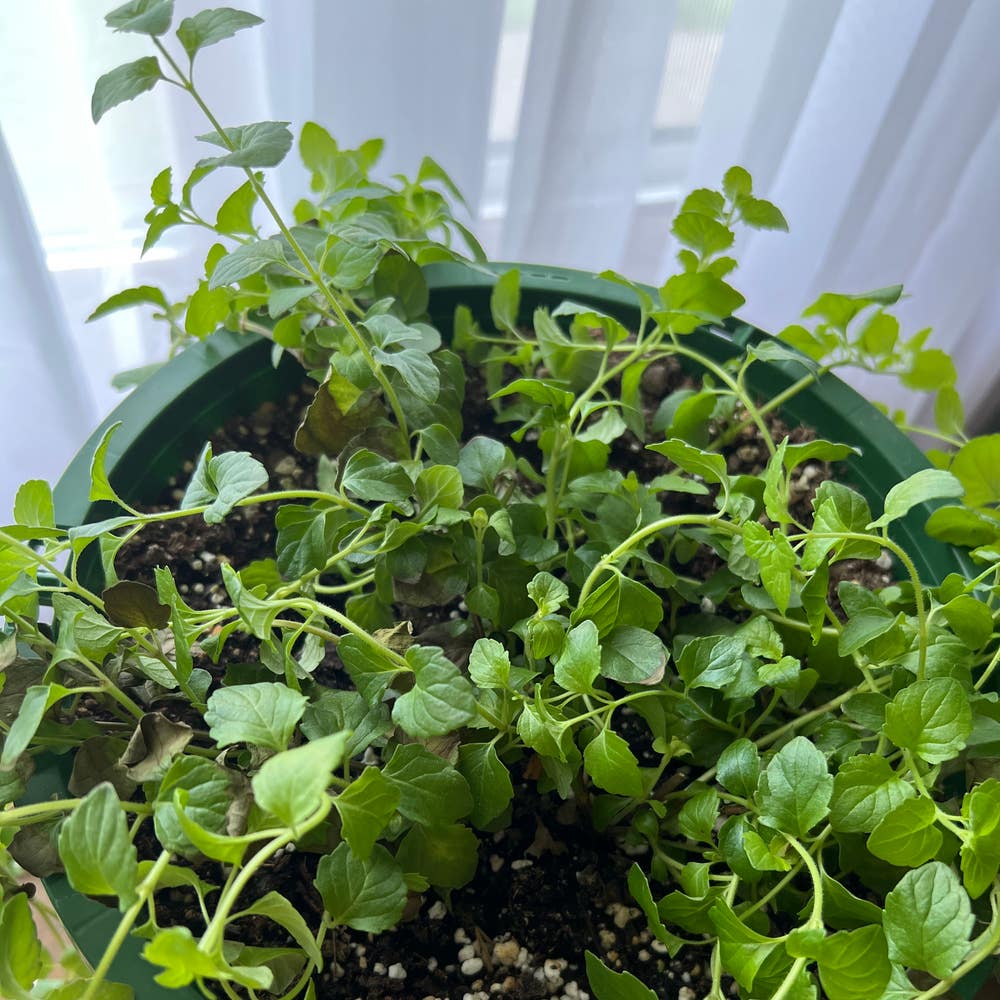
Why Your Cuban Oregano Leaves Are Falling Over
Coleus amboinicus
By the Greg Editorial Team
Nov 24, 2024•6 min read
This article was created with the help of AI so we can cover more plants for you. May contain errors. See one? Report it here.
Revive your Cuban oregano 🌱 by mastering watering and light to prevent those droopy leaves!
- 🌱 Cuban oregano thrives in 40-60% humidity and 70°F to 85°F temperatures for optimal growth.
- 💧 Overwatering causes droopy leaves; check soil moisture regularly to prevent root rot.
- ☀️ Provide 6-8 hours of bright, indirect sunlight to avoid leaf drop and scorching.
Causes of Leaf Drooping
🌍 Environmental Factors Affecting Health
Cuban oregano thrives in specific environmental conditions. The ideal humidity level for healthy growth is between 40-60%, while temperatures should range from 70°F to 85°F (21°C to 29°C).
When these conditions aren't met, your plant may show signs of distress. Look out for yellowing leaves, wilting, and drooping, which indicate that your plant is not happy.
⚠️ Common Causes
Several common issues can lead to drooping leaves. Overwatering is a major culprit, as excess moisture can cause root rot, leading to droopy foliage.
On the flip side, underwatering can also be a problem. Insufficient moisture leads to dehydration, causing leaves to wilt and droop.
Nutrient deficiencies can weaken your plant, affecting leaf strength and overall health. Additionally, pest infestations from critters like aphids and spider mites can damage your plant, resulting in drooping leaves.
Understanding these causes is crucial for maintaining the health of your Cuban oregano. By addressing environmental factors and common issues, you can help your plant thrive and prevent those sad, drooping leaves.
Next, let’s dive into the best watering practices to keep your Cuban oregano in top shape.
Watering Practices
Overwatering vs. Underwatering 🌊
Cuban oregano thrives on a delicate balance of moisture. Overwatering can lead to root rot, which causes those droopy leaves you dread, while underwatering results in dry, wilting foliage that looks sad and lifeless.
Signs of Overwatering 🚫
Watch for yellowing leaves; they may turn mushy and feel soft to the touch. If you notice a foul smell from the soil or blackened roots, it's a clear sign of root rot.
Signs of Underwatering 💧
If your leaves appear limp and droopy, it’s likely a sign of underwatering. Additionally, if the soil feels dry several inches down, your plant is begging for a drink.
Best Practices ✅
- Check soil moisture: Stick your finger into the top 2 inches of soil to gauge moisture levels.
- Watering frequency: Only water when the top inch of soil is dry to the touch.
- Drainage: Ensure your pots have drainage holes to prevent water accumulation, which can suffocate roots.
By following these simple watering practices, you can keep your Cuban oregano healthy and vibrant. Proper moisture management is key to preventing drooping leaves and ensuring your plant thrives.
Light Requirements
Ideal Conditions 🌞
Cuban oregano thrives in full sun, needing 6-8 hours of bright, indirect sunlight each day. For optimal growth, place your plant near a south or west-facing window where it can soak up the rays.
Effects of Too Much Light ☀️
While sunlight is essential, too much can lead to problems. Leaf scorch manifests as brown, crispy edges, while excessive heat may cause the leaves to droop.
Effects of Too Little Light 🌑
On the flip side, insufficient light can stunt your plant's growth. You might notice leggy growth with stretched stems and sparse foliage, or worse, leaf drop as the plant struggles to survive in the shadows.
Understanding the light requirements of your Cuban oregano is crucial for its health. By providing the right amount of sunlight, you can ensure your plant remains vibrant and thriving.
Next, let's explore the soil and fertilization needs to further support your plant's growth.
Soil and Fertilization Needs
🌱 Best Soil Mix
Cuban oregano thrives in well-draining soil, which is crucial for its health. A recommended mix includes potting soil, perlite, and sand to ensure proper aeration and drainage.
Maintaining the right soil pH is equally important. Aim for a slightly acidic to neutral pH range of 6.0 to 7.0 for optimal growth.
🚰 Importance of Drainage
Good drainage prevents waterlogging, which can lead to root rot and other issues. Without it, your plant's roots may suffocate, stunting growth and causing drooping leaves.
Watch for signs of poor drainage, such as water pooling on the surface or slow drying of the soil. These indicators suggest that your plant may need a soil mix adjustment.
📅 Fertilization Schedule
To keep your Cuban oregano healthy, fertilize every 4-6 weeks during the growing season. This regular feeding helps provide essential nutrients that support robust growth.
Consider using a balanced NPK fertilizer, like a 10-10-10 mix, or organic options such as compost. These choices will nourish your plant without overwhelming it with chemicals.
With the right soil and fertilization practices, your Cuban oregano will flourish, setting the stage for vibrant growth and lush foliage. Next, let’s explore the light requirements that will further enhance its health.
Pests and Diseases
Common Pests 🐜
Cuban oregano can fall victim to a few pesky intruders. Aphids are small, green insects that suck the sap from leaves, weakening your plant over time.
Another common foe is the spider mite, a tiny pest that spins webs and causes leaf discoloration. These pests can quickly turn your thriving plant into a sad sight.
Identifying Diseases 🦠
It's crucial to recognize the signs of disease early. Root rot is a serious condition caused by overwatering, leading to drooping and yellowing leaves.
Another issue to watch for is powdery mildew, a fungal disease that manifests as white spots on leaves. This can spread quickly if not addressed.
Treatment Options 💊
When it comes to pest control, consider using organic insecticides like neem oil or insecticidal soap. These options are effective and less harmful to your plant and the environment.
For disease management, promptly remove affected leaves and improve air circulation around your plant. This simple step can make a significant difference in your Cuban oregano's health.
By staying vigilant against pests and diseases, you can ensure your plant remains vibrant and healthy. Next, let’s explore some preventive measures to keep your Cuban oregano thriving.
Preventive Measures
🌱 Best Practices
Regular monitoring is key to keeping your Cuban oregano healthy. Check for pests and signs of stress weekly to catch any issues early.
Proper watering is essential. Follow best practices to avoid the pitfalls of over or underwatering, ensuring your plant thrives.
🌦️ Seasonal Care Tips
Adjust your watering frequency with the changing seasons. Water less in winter when the plant is dormant and increase it during the summer growing season.
To combat dry air in winter months, provide additional humidity. Use a humidity tray or mist your plants to keep them happy and healthy.
📈 Monitoring Growth Stages
Young plants need more frequent watering and protection from direct sunlight. They’re delicate and require extra care to establish strong roots.
As your plants mature, they may need less water and can tolerate more light exposure. Understanding these growth stages helps you provide the right care at the right time.
By implementing these preventive measures, you can ensure your Cuban oregano remains vibrant and robust, ready to flourish in your home. Next, let’s explore the specific light requirements that will keep your plant thriving.
⚠️ Safety First
This content is for general information and may contain errors, omissions, or outdated details. It is not medical, veterinary advice, or an endorsement of therapeutic claims.
Always consult a qualified healthcare professional before using any plant as food, medicine, or supplement.
Never eat any plant (or feed one to pets) without confirming its identity with at least two trusted sources.
If you suspect poisoning, call Poison Control (800) 222-1222, the Pet Poison Helpline (800) 213-6680, or your local emergency service immediately.
Spotted an error? Please report it here.
Keep your Cuban oregano vibrant and healthy 🌿 by using Greg's tailored reminders for optimal humidity and watering, ensuring those leaves stay perky and lush!