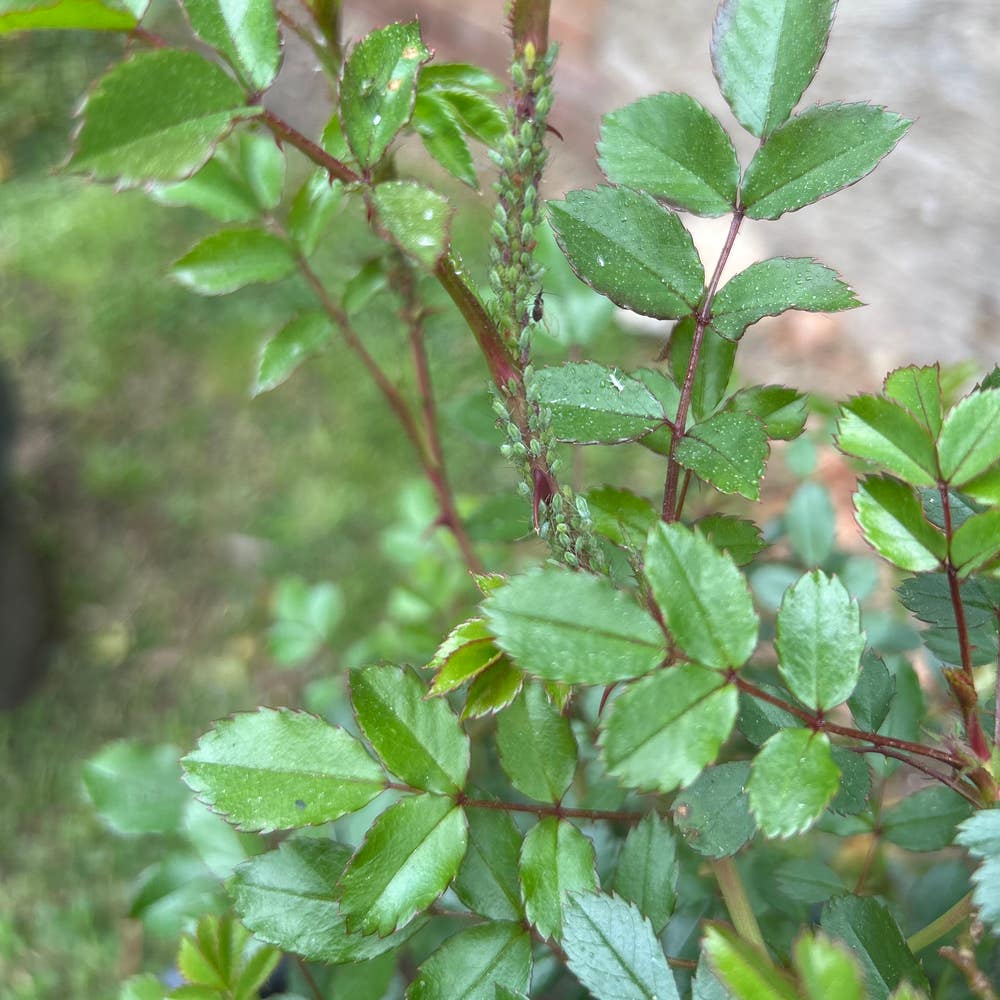
Best Tips for Dealing with Black Spots on Salmon Rose 🐟
Rosa spp.
By the Greg Editorial Team
Nov 23, 2024•4 min read
This article was created with the help of AI so we can cover more plants for you. May contain errors. See one? Report it here.
- 🌿 Inspect leaves regularly to identify black spots early for effective management.
- 💧 Maintain good drainage and avoid overhead watering to reduce black spot risk.
- 🧴 Use neem oil or baking soda as effective treatments for black spots.
Diagnosing Black Spots
👀 Visual Inspection Techniques
To effectively diagnose black spots on your Salmon Rose, start with a thorough visual inspection. Examine both the upper and lower surfaces of the leaves for any signs of black spots.
Next, check for patterns in the distribution of these spots. Are they concentrated on the lower leaves, or are they scattered throughout the plant? Identifying these patterns can help you understand the severity of the issue.
🌧️ Environmental Factors Contributing to Black Spots
Environmental conditions play a significant role in the development of black spots. High humidity levels can create a perfect breeding ground for fungal growth, leading to more pronounced symptoms.
Temperature fluctuations also contribute to the problem. Warm, wet conditions are particularly favorable for black spot fungus, making it essential to monitor your garden's climate.
🌱 Soil and Watering Conditions Affecting Leaf Health
Soil drainage is crucial for the health of your roses. Well-draining soil prevents waterlogging, which can exacerbate leaf issues and promote fungal infections.
Additionally, consider your watering practices. Avoid overhead watering to minimize leaf wetness, which can further encourage the growth of black spots. Instead, water at the base of the plant to keep the foliage dry and healthy.
By understanding these diagnostic techniques and environmental factors, you can take proactive steps to manage black spots effectively. This knowledge sets the stage for exploring treatment options that can help restore your Salmon Rose to its vibrant best.
Treatment Options for Black Spots
🌱 Organic Treatments and Fungicides
When it comes to tackling black spots on your Salmon Rose, organic treatments can be both effective and environmentally friendly. Neem oil stands out as a powerful organic fungicide that not only treats existing black spots but also helps prevent future outbreaks.
Another great option is sulfur-based fungicides. These products offer both preventative and curative properties, making them a versatile choice for rose care. They work by creating an inhospitable environment for the fungus, helping your plants stay healthy.
🏡 Home Remedies for Black Spots
If you prefer a DIY approach, several home remedies can help combat black spots effectively. One popular solution is a baking soda mixture. Simply mix 1 tablespoon of baking soda with 1 gallon of water, and spray it on the affected areas.
Another effective remedy is a milk spray. By diluting milk with water in a 1:2 ratio, you can create a foliar spray that not only treats black spots but also nourishes your plants.
📋 Step-by-Step Guide to Applying Treatments
Applying treatments for black spots can be straightforward if you follow these steps:
- Identify affected leaves and remove them to prevent the spread of the fungus.
- Prepare your chosen treatment solution according to the instructions.
- Apply the treatment in the early morning or late afternoon to avoid sunburn on the leaves.
- Repeat the application every 7-14 days until you notice improvement in your plants.
By following these steps, you can effectively manage black spots and keep your Salmon Rose thriving.
With the right treatments in place, you can now focus on preventing future outbreaks and ensuring your roses remain healthy and vibrant.
Preventing Black Spots
🌱 Best practices for Salmon Rose care
To keep your Salmon Rose healthy, regular inspections are essential. Look for early signs of black spots, as catching them early can make all the difference.
Proper watering techniques are also crucial. Always water at the base of the plant to minimize leaf wetness, which can encourage fungal growth.
🌬️ Importance of air circulation and spacing
Air circulation plays a significant role in preventing black spots. Ensure there’s adequate spacing between your plants to promote airflow.
Additionally, don’t hesitate to prune overcrowded areas. This enhances light penetration and reduces humidity, creating a less favorable environment for black spot fungus.
By following these best practices, you can significantly reduce the risk of black spots on your Salmon Rose. Next, let’s explore effective treatment options if you do encounter this pesky issue.
⚠️ Safety First
This content is for general information and may contain errors, omissions, or outdated details. It is not medical, veterinary advice, or an endorsement of therapeutic claims.
Always consult a qualified healthcare professional before using any plant as food, medicine, or supplement.
Never eat any plant (or feed one to pets) without confirming its identity with at least two trusted sources.
If you suspect poisoning, call Poison Control (800) 222-1222, the Pet Poison Helpline (800) 213-6680, or your local emergency service immediately.
Spotted an error? Please report it here.
Keep your Salmon Rose spot-free 🌹 by using Greg's tailored care reminders and treatment tips to tackle black spots effectively!