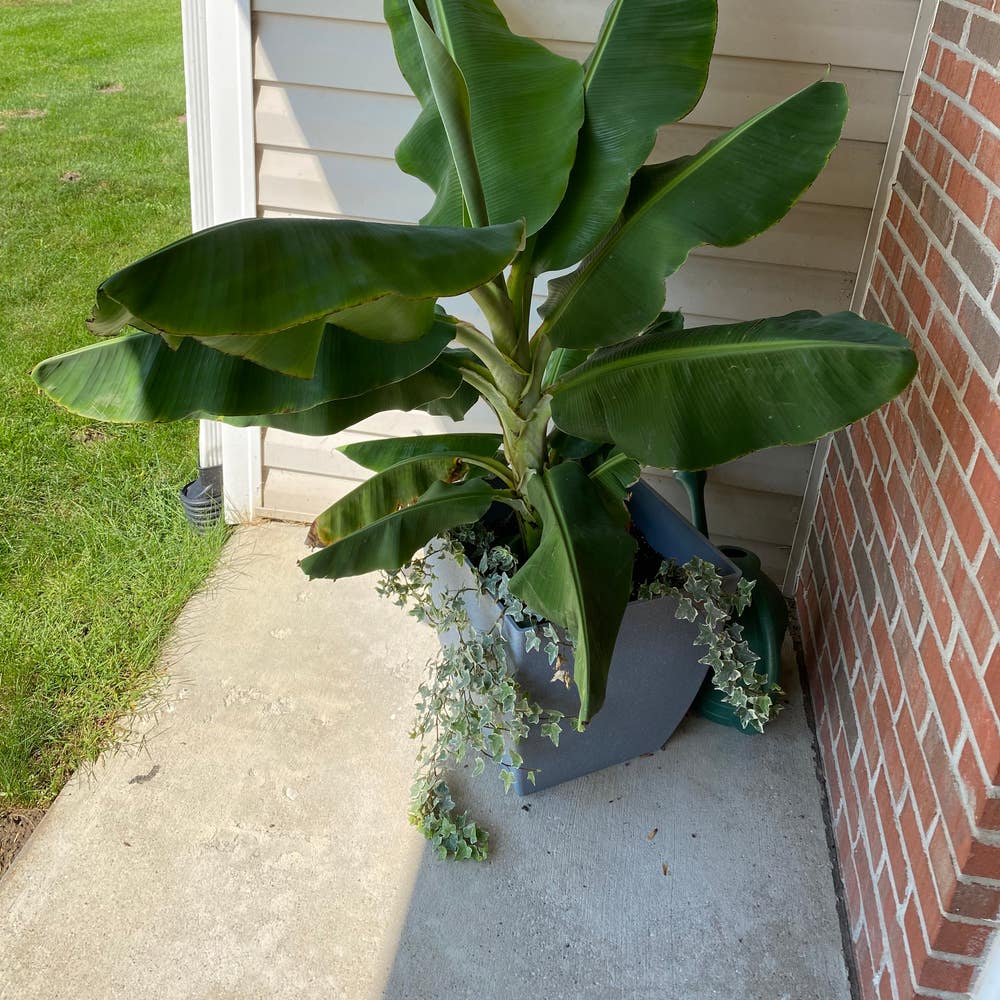
🍌 Abyssinian Banana: Not an Annual
Ensete ventricosum
By the Greg Editorial Team
Oct 09, 2024•4 min read
This article was created with the help of AI so we can cover more plants for you. May contain errors. See one? Report it here.
Elevate your garden with the stunning Abyssinian Banana 🌱, a resilient perennial that thrives for years with care!
- 🌱 Abyssinian Banana is a perennial, thriving for years with continuous growth cycles.
- 🌼 It flowers multiple times, offering lasting beauty unlike short-lived annuals.
- 🌍 Adaptable to climates, its robust nature enhances garden design and biodiversity.
Abyssinian Banana as a Perennial
🌱 Genetic and Physiological Characteristics
The Abyssinian Banana, scientifically known as Ensete ventricosum, hails from the tropical regions of Ethiopia. This remarkable plant features a large pseudostem and broad leaves, both of which are perfectly adapted for long-term growth in its native environment.
📅 Long-Term Lifecycle and Growth Patterns
One of the standout traits of the Abyssinian Banana is its ability to thrive for several years. It undergoes continuous growth cycles, actively flourishing during warm months while entering a state of dormancy in cooler periods.
🌼 Reproductive Strategies
The plant produces large, showy flowers that are not just beautiful; they also attract essential pollinators. After flowering, seeds develop, further solidifying its classification as a perennial species.
This unique combination of characteristics makes the Abyssinian Banana a fascinating addition to any garden. As we explore its lifecycle in comparison to annuals, you'll see just how distinct this perennial truly is.
Lifecycle Comparison with Annuals
Differences in Growth and Flowering 🌼
The Abyssinian Banana, or Ensete ventricosum, stands out for its ability to flower multiple times throughout its lifespan. This is a stark contrast to annuals, which complete their life cycle in just one season.
While annuals may burst into bloom quickly, the Abyssinian Banana's flowering is less frequent but can last significantly longer. This extended blooming period allows for a more sustained visual impact in your garden.
Seed Production 🌱
When it comes to seed production, the Abyssinian Banana takes its time. Unlike annuals that rush to produce seeds within a single growing season, this perennial develops seeds over several years.
This slower approach not only reflects its long-term growth strategy but also highlights its resilience. By spacing out seed production, the Abyssinian Banana ensures its survival and adaptability in varying conditions.
As we explore the misconceptions and exceptions surrounding this fascinating plant, you'll discover how environmental factors can influence its classification.
Misconceptions and Exceptions
🌡️ Conditions Affecting Classification
The Abyssinian Banana, or Ensete ventricosum, often faces misclassification due to its sensitivity to cooler climates. In regions where winter temperatures drop significantly, this perennial may not survive, leading some to mistakenly label it as an annual.
Some gardeners, seeking convenience, treat the Abyssinian Banana as an annual. This practice can stem from a lack of understanding of its true perennial nature, which can lead to missed opportunities for long-term growth and beauty.
🌍 Regional Variations
Adaptations play a crucial role in how the Abyssinian Banana grows in different climates. Varieties may exhibit distinct growth habits based on local conditions, showcasing their resilience and versatility.
In non-tropical regions, the Abyssinian Banana is often misclassified as an annual. This misunderstanding can prevent gardeners from appreciating its full potential and the unique beauty it can bring to their landscapes.
Understanding these misconceptions is vital for anyone looking to cultivate this remarkable plant. As we explore its garden design implications next, you'll see how embracing its perennial nature can enhance your gardening experience.
Garden Design Implications
Advantages in Perennial Planting 🌱
Investing in Abyssinian Banana as a perennial plant pays off in the long run. Its robust structure and lush foliage provide visual interest across multiple seasons.
The large, broad leaves create a striking aesthetic that can transform any garden space. This unique form not only enhances the beauty of your garden but also offers a tropical vibe that many gardeners crave.
Design Strategies 🎨
Companion planting is a fantastic way to maximize the visual appeal of your garden. Pairing Abyssinian Banana with other perennials can create a dynamic landscape that draws the eye.
Consider placing these plants in tropical-themed gardens or as focal points in mixed borders. Their impressive stature makes them ideal for standing out, ensuring your garden remains vibrant and inviting.
With the right design strategies, the Abyssinian Banana can truly shine in your garden, offering both beauty and longevity.
Management Tips for Longevity
🌱 Best Practices
To ensure your Abyssinian Banana thrives, start with the right soil. It loves well-draining, nutrient-rich soil that supports its robust growth.
Watering is equally crucial. Keep the soil consistently moist, but avoid waterlogging to maintain long-term health.
🚀 Maximizing Growth and Longevity
Fertilization plays a key role in its vitality. Use balanced fertilizers during the growing season to give your plant the nutrients it craves.
Seasonal care is essential, especially in cooler climates. Protect your Abyssinian Banana from frost and ensure it receives plenty of sunlight to flourish.
By following these management tips, you can enjoy the beauty and benefits of your Abyssinian Banana for years to come. Next, let’s explore the advantages of incorporating this perennial into your garden design.
⚠️ Safety First
This content is for general information and may contain errors, omissions, or outdated details. It is not medical, veterinary advice, or an endorsement of therapeutic claims.
Always consult a qualified healthcare professional before using any plant as food, medicine, or supplement.
Never eat any plant (or feed one to pets) without confirming its identity with at least two trusted sources.
If you suspect poisoning, call Poison Control (800) 222-1222, the Pet Poison Helpline (800) 213-6680, or your local emergency service immediately.
Spotted an error? Please report it here.
Elevate your garden with the stunning Abyssinian Banana 🌺—let Greg guide you with tailored care tips to ensure this perennial thrives beautifully for years to come!