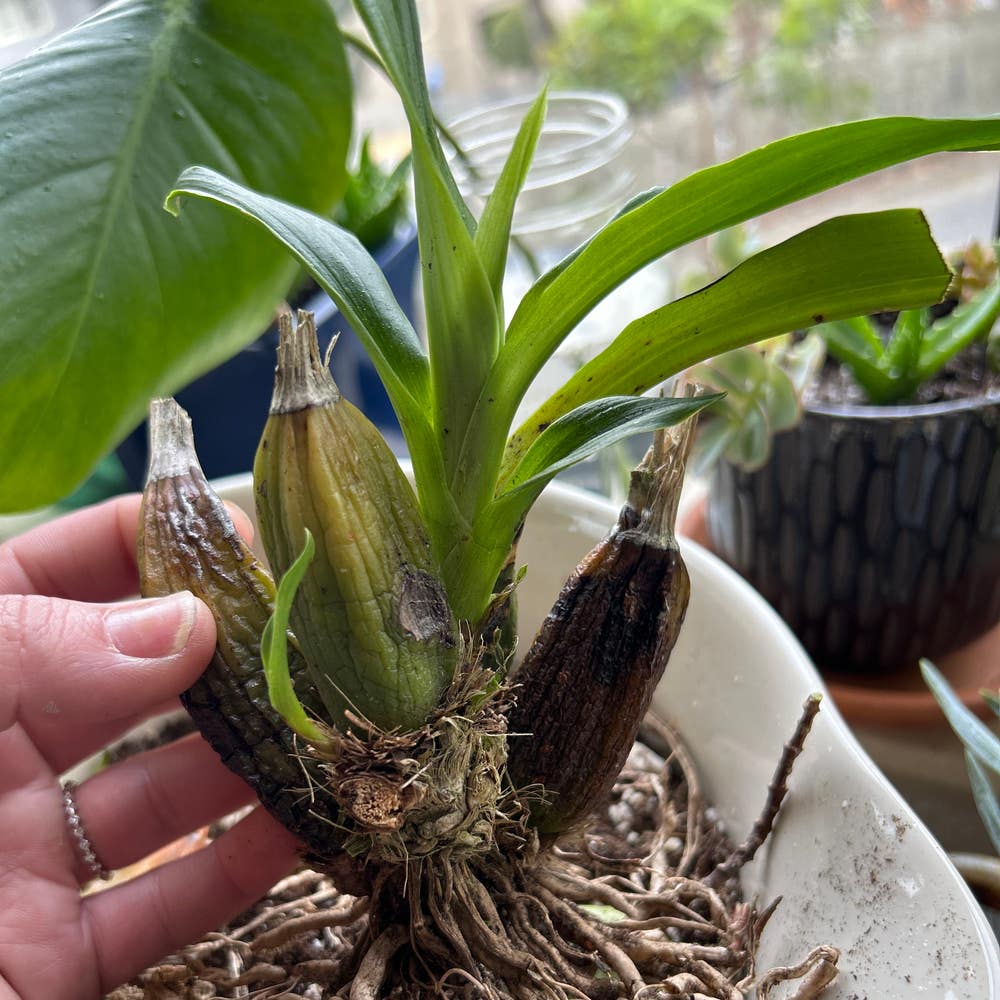
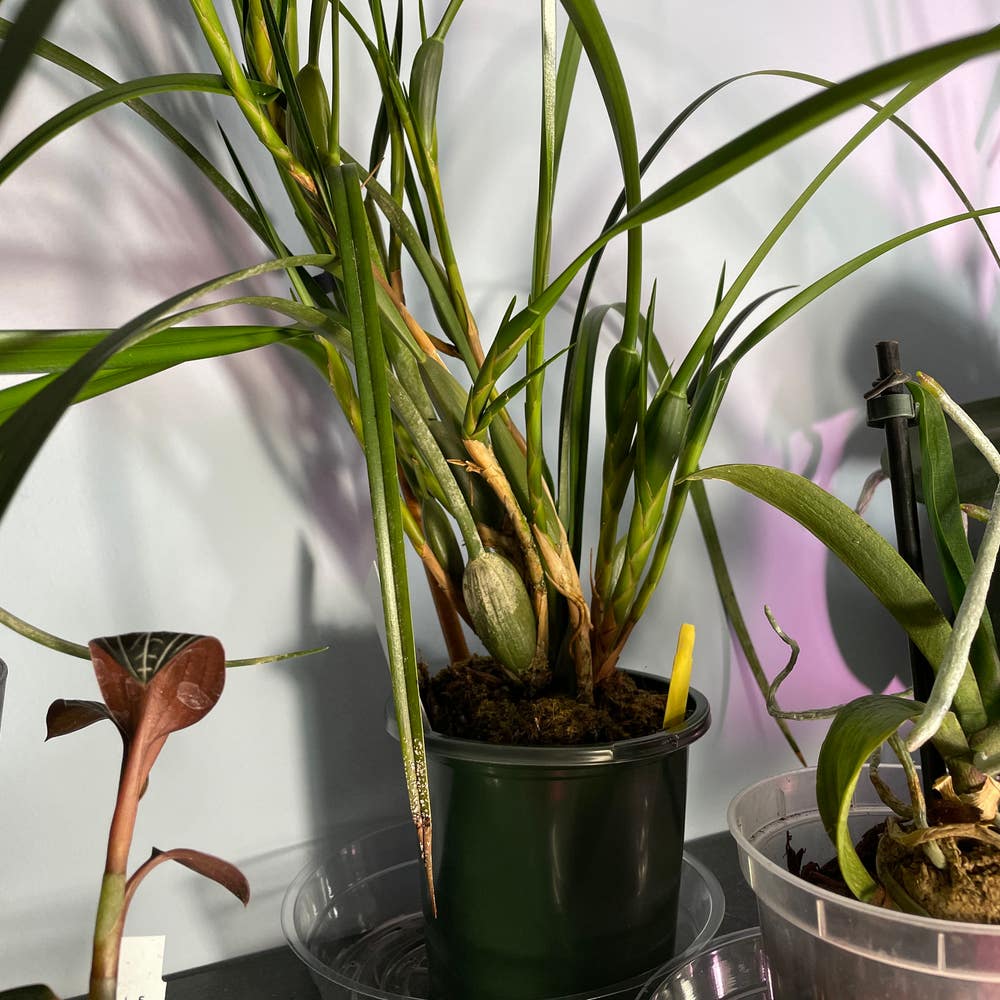
☀️ Why Your Wild Coco Leaves Are Turning Yellow
Eulophia alta
By the Greg Editorial Team
Jan 06, 2025•5 min read
This article was created with the help of AI so we can cover more plants for you. May contain errors. See one? Report it here.
- 🌱 Yellowing leaves indicate nutrient deficiencies, especially nitrogen and iron.
- 💧 Overwatering or underwatering can also cause yellowing; check soil moisture regularly.
- 🐛 Pest infestations like aphids lead to yellowing; monitor plants closely for signs.
Causes of Yellowing Leaves
Yellowing leaves on your wild coco can be a sign of several underlying issues. Understanding these causes is crucial for restoring your plant's health.
🌱 Nutrient Deficiencies
Nitrogen Deficiency
One of the most common culprits is nitrogen deficiency. You’ll notice older leaves turning yellow and the plant exhibiting stunted growth.
Nitrogen is essential for chlorophyll production, which is vital for photosynthesis and overall plant vigor. Without it, your wild coco struggles to thrive.
Iron Deficiency
Another key nutrient to monitor is iron. Symptoms include yellowing between the leaf veins, known as interveinal chlorosis, particularly in younger leaves.
Iron plays a crucial role in photosynthesis and enzyme function. A deficiency can severely hinder your plant's ability to produce energy.
💧 Watering Issues
Watering practices significantly impact leaf health. Both overwatering and underwatering can lead to yellowing leaves.
Overwatering Symptoms
Overwatering is often characterized by yellowing leaves, wilting, and root rot.
This condition leads to poor soil drainage, which deprives roots of oxygen and can ultimately kill your plant.
Underwatering Symptoms
Conversely, underwatering manifests as yellowing leaves with crispy edges and drooping.
Insufficient moisture causes stress and hampers nutrient uptake, leaving your wild coco vulnerable.
🐛 Pest Infestations
Pests can also be a major factor in leaf discoloration. Keeping an eye out for common pests is essential for maintaining plant health.
Common Pests Affecting Wild Coco
Aphids are small, green insects that suck sap from leaves, weakening your plant.
Spider mites are another threat; these tiny pests create webbing and cause stippling on leaves, indicating damage.
Signs of Pest Damage
Look for yellowing leaves, distorted growth, and visible pests on the foliage. These signs can help you catch infestations early and take action.
Understanding these causes will help you diagnose and address the yellowing leaves on your wild coco. Next, we’ll explore how to effectively diagnose these issues for a healthier plant.
Diagnosing Yellow Leaves
👀 Visual Symptoms to Look For
When your wild coco leaves start to turn yellow, pay close attention to the symptoms. Gradual yellowing often indicates nutrient deficiencies, while sudden yellowing can signal more urgent issues.
Additionally, examine the leaf texture. Look for signs of wilting, crispiness, or softness, as these can provide clues about the plant's overall health.
🩺 How to Assess Plant Health
To accurately assess your plant's health, start by checking the soil moisture. Use a moisture meter or perform a simple finger test to gauge how dry the soil is.
Next, observe the overall growth of your wild coco. Compare new growth to older leaves; healthy plants should show vibrant new growth alongside older foliage.
🧪 Importance of Soil Testing
Soil testing is crucial for maintaining optimal growing conditions. Regularly test for pH and nutrient levels to ensure your wild coco has everything it needs to thrive.
Recommended soil tests include checking for pH, nitrogen, phosphorus, and potassium levels. This information will guide you in making necessary adjustments to improve your plant's health.
Understanding these diagnostic steps will empower you to take action and restore your wild coco to its vibrant state. Now, let’s explore effective solutions for yellowing leaves.
Solutions for Yellowing Leaves
Adjusting Watering Practices 🌊
Proper watering is crucial for the health of your Wild Coco. Start by checking the soil moisture before watering; aim to dig about 1-2 inches deep.
Once you've assessed the moisture level, water thoroughly until you see excess draining from the bottom. This ensures that the roots receive adequate hydration. Depending on environmental conditions, you should water every 1-2 weeks to maintain optimal moisture levels.
Fertilization Strategies 🌱
Fertilization plays a key role in preventing yellowing leaves. Use balanced NPK fertilizers, such as 10-10-10 or 20-20-20, to provide essential nutrients.
Apply these fertilizers every 4-6 weeks during the growing season for best results. Be cautious, though; signs of over-fertilization include leaf burn and yellowing tips, which can further stress your plant.
Pest Management Techniques 🐛
Pest infestations can also lead to yellowing leaves, so effective management is essential. Consider using organic pest control methods like neem oil, which is safe and effective.
When using neem oil, follow the recommended application frequency and dilution ratios for best results. Insecticidal soap is another option; it’s easy to apply and works well against common pests that may be affecting your Wild Coco.
By adjusting your watering practices, implementing proper fertilization strategies, and managing pests effectively, you can help your Wild Coco thrive and prevent those pesky yellow leaves. Next, let’s explore how to diagnose yellowing leaves to better understand your plant's needs.
Preventing Yellow Leaves
🌱 Regular Maintenance Tips
Maintaining healthy wild coco plants is crucial to prevent yellowing leaves. Regular checks on soil moisture can make a significant difference.
Monitoring Soil Moisture
To effectively monitor soil moisture, consider using a moisture meter or simply perform a finger test. Aim to check the soil weekly during the growing season to ensure it remains adequately moist without becoming waterlogged.
Routine Fertilization Schedule
Establishing a fertilization calendar is essential for vibrant growth. Fertilize your wild coco plants monthly during their active growth phase, adjusting based on their response—keep an eye on leaf color and overall growth.
🌦️ Seasonal Care Considerations
Adapting your care routine according to the seasons can help maintain plant health. Each season brings unique challenges and opportunities for your wild coco.
Adjusting Care During Different Seasons
In summer, increase watering and fertilization to support growth. Conversely, during winter, reduce watering and monitor for signs of cold stress, ensuring your plants remain healthy through temperature fluctuations.
🌿 Best Practices for Healthy Growth
Choosing the right location for your wild coco is vital for its success. Proper placement can enhance growth and minimize stress.
Choosing the Right Location for Your Wild Coco
Ensure your wild coco receives adequate sunlight, ideally full sun to partial shade. Additionally, protect your plants from harsh winds by planting them in sheltered areas, which can significantly reduce stress and promote healthy growth.
By following these preventive measures, you can keep your wild coco thriving and vibrant, steering clear of yellowing leaves. Next, let’s explore effective solutions for addressing yellow leaves when they do occur.
⚠️ Safety First
This content is for general information and may contain errors, omissions, or outdated details. It is not medical, veterinary advice, or an endorsement of therapeutic claims.
Always consult a qualified healthcare professional before using any plant as food, medicine, or supplement.
Never eat any plant (or feed one to pets) without confirming its identity with at least two trusted sources.
If you suspect poisoning, call Poison Control (800) 222-1222, the Pet Poison Helpline (800) 213-6680, or your local emergency service immediately.
Spotted an error? Please report it here.
Keep your wild coco thriving 🌱 by using Greg's personalized care reminders to balance watering, nutrients, and pest management for vibrant, healthy leaves!