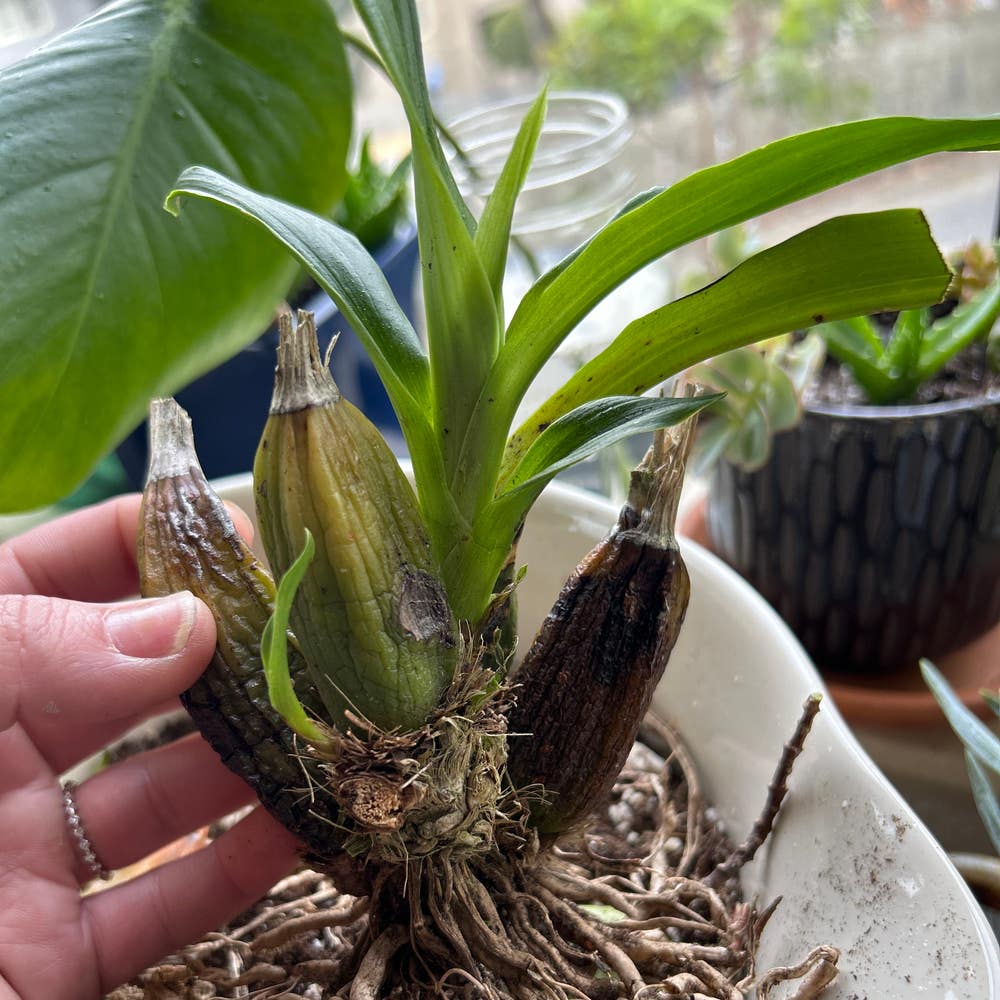
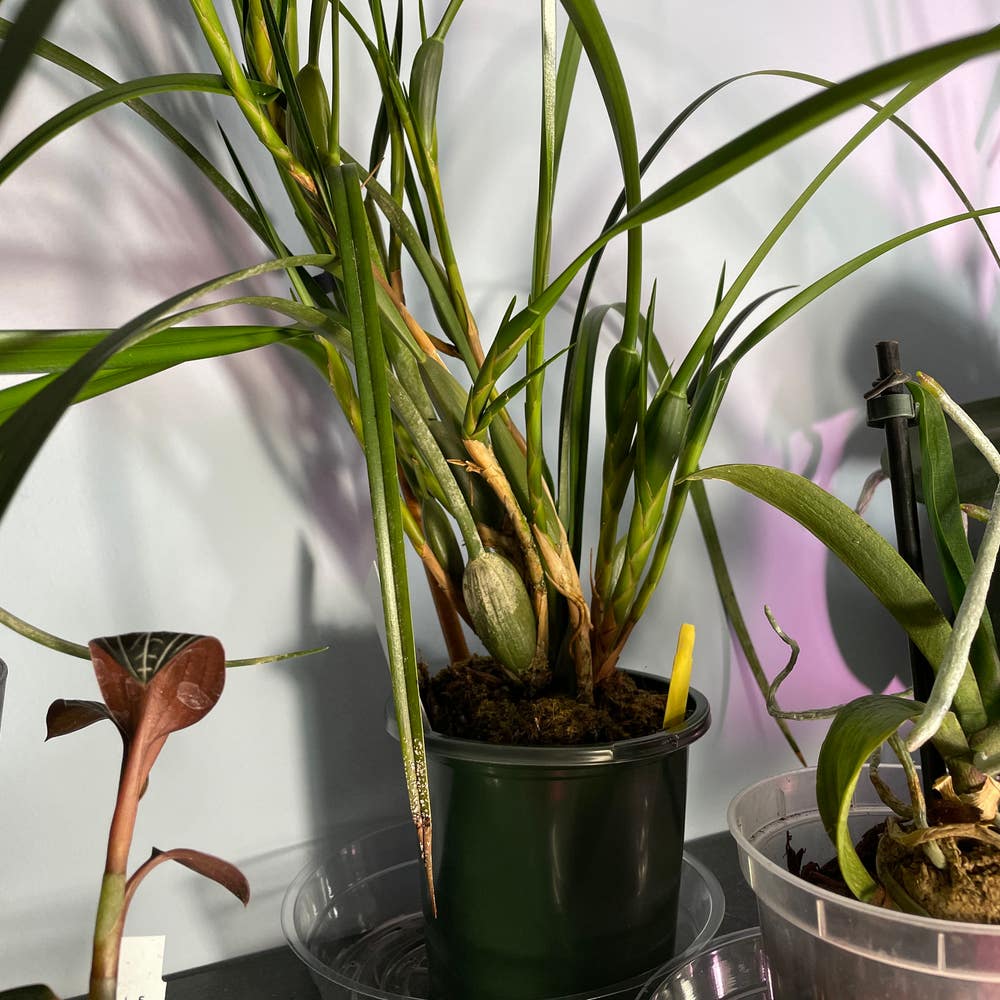
☀️ Optimal Temperature for Your Wild Coco
Eulophia alta
By the Greg Editorial Team
Jan 06, 2025•4 min read
This article was created with the help of AI so we can cover more plants for you. May contain errors. See one? Report it here.
- 🌡️ Temperature stress causes wilting, browning edges, and leaf drop in Wild Coco.
- ❄️🔥 Cold and heat stress symptoms include wilting, curling, and stunted growth.
- 🌿 Proactive temperature management ensures optimal health and vibrancy for Wild Coco.
Temperature Stress in Wild Coco
🌡️ Symptoms of Temperature Stress
Temperature stress can manifest in various ways, impacting the health of your Wild Coco.
Signs of Cold Stress
- Wilting leaves: A clear indicator that your plant is struggling.
- Browning or blackening of leaf edges: This often signals that the cold is taking its toll.
- Leaf drop: If your plant starts shedding leaves, it’s a cry for help.
Signs of Heat Stress
- Leaf curling or wilting: This can indicate that your Wild Coco is overwhelmed by the heat.
- Scorched or burnt leaf tips: A telltale sign that the sun is too harsh.
- Stunted growth or poor development: If your plant isn’t thriving, it might be suffering from heat stress.
🔍 Causes of Temperature Stress
Understanding the causes of temperature stress is crucial for effective plant care.
Sudden Temperature Fluctuations
Rapid changes in temperature can shock your Wild Coco, leading to stress.
Prolonged Exposure to Cold or Heat
Extended periods outside the optimal temperature range can be detrimental.
Environmental Factors
Wind chill or excessive sun exposure can exacerbate temperature stress, making it essential to monitor your plant's surroundings.
By recognizing these symptoms and causes, you can take proactive steps to protect your Wild Coco from temperature stress. This knowledge sets the stage for effective seasonal temperature considerations, ensuring your plant thrives year-round.
Seasonal Temperature Considerations
🌡️ Preparing for Seasonal Temperature Shifts
As seasons change, your Wild Coco needs special attention to thrive. Here are effective strategies to protect your plant during cold snaps.
Protecting from Cold
Frost Cloths and Protective Coverings: Using frost cloths can shield your Wild Coco from chilling temperatures. These coverings trap heat and prevent frost damage, ensuring your plant stays warm.
Relocating Potted Plants: If your Wild Coco is in a pot, consider moving it indoors or to a sheltered area during extreme cold. This simple act can significantly reduce stress and promote healthier growth.
☀️ Mitigating Heat Stress
Summer brings its own challenges, especially heat stress. Here’s how to keep your Wild Coco cool and comfortable during peak temperatures.
Providing Shade
Using Reflective Materials: Create shade using reflective materials to deflect harsh sunlight. This can lower the temperature around your plant and prevent overheating.
Ensuring Adequate Watering: Regular watering is crucial during hot months. It helps maintain moisture levels in the soil, combating the effects of heat and keeping your Wild Coco hydrated.
By implementing these strategies, you can help your Wild Coco adapt to seasonal temperature shifts, ensuring it remains healthy and vibrant throughout the year. Next, let’s explore how geographic location influences the temperature needs of your Wild Coco.
Geographic Considerations
🌍 How Geographic Location Affects Temperature Needs
The local climate plays a crucial role in determining how temperature-sensitive your Wild Coco plants are. For instance, tropical regions provide a warm, stable environment, while temperate zones may expose them to more significant temperature fluctuations.
Elevation also impacts temperature requirements. Higher altitudes typically experience cooler temperatures, which can stress Wild Coco if they are not acclimated. Additionally, proximity to water bodies can moderate temperatures, creating a more favorable microclimate for growth.
When considering growing Wild Coco outside its native range, it's essential to evaluate these geographic factors. Plants may struggle to adapt to unfamiliar conditions, leading to temperature stress. Understanding your local climate and its nuances can help you provide the best care for your Wild Coco.
By being aware of these geographic considerations, you can better prepare your plants for their environment and ensure they thrive. This knowledge sets the stage for effective temperature management techniques, which we'll explore next.
Temperature Management Techniques
Strategies to Maintain Optimal Temperature 🌡️
Creating microclimates is a fantastic way to regulate temperature for your Wild Coco. You can achieve this by using barriers like fences or strategically placing other plants to shield your Wild Coco from harsh winds or direct sunlight.
Another effective method is utilizing greenhouses or shade structures. These can help control temperature extremes, providing a stable environment that promotes healthy growth.
Tools and Methods for Monitoring Temperature 📏
To keep an eye on temperature, consider investing in reliable tools like thermometers or digital temperature monitors. These devices offer accurate readings, ensuring you stay informed about your plant's environment.
Regular temperature checks are essential for maintaining optimal conditions. Make it a habit to monitor temperatures frequently, especially during seasonal shifts.
Tracking temperature trends over time is crucial for anticipating stress conditions. By understanding how temperature fluctuations affect your Wild Coco, you can take proactive measures to protect it from potential harm.
With these strategies and tools, you can create a thriving environment for your Wild Coco, ensuring it remains healthy and vibrant throughout the year.
⚠️ Safety First
This content is for general information and may contain errors, omissions, or outdated details. It is not medical, veterinary advice, or an endorsement of therapeutic claims.
Always consult a qualified healthcare professional before using any plant as food, medicine, or supplement.
Never eat any plant (or feed one to pets) without confirming its identity with at least two trusted sources.
If you suspect poisoning, call Poison Control (800) 222-1222, the Pet Poison Helpline (800) 213-6680, or your local emergency service immediately.
Spotted an error? Please report it here.
Keep your Wild Coco thriving 🌱 by using Greg's tailored reminders and tips to maintain the ideal temperature for its health and happiness!