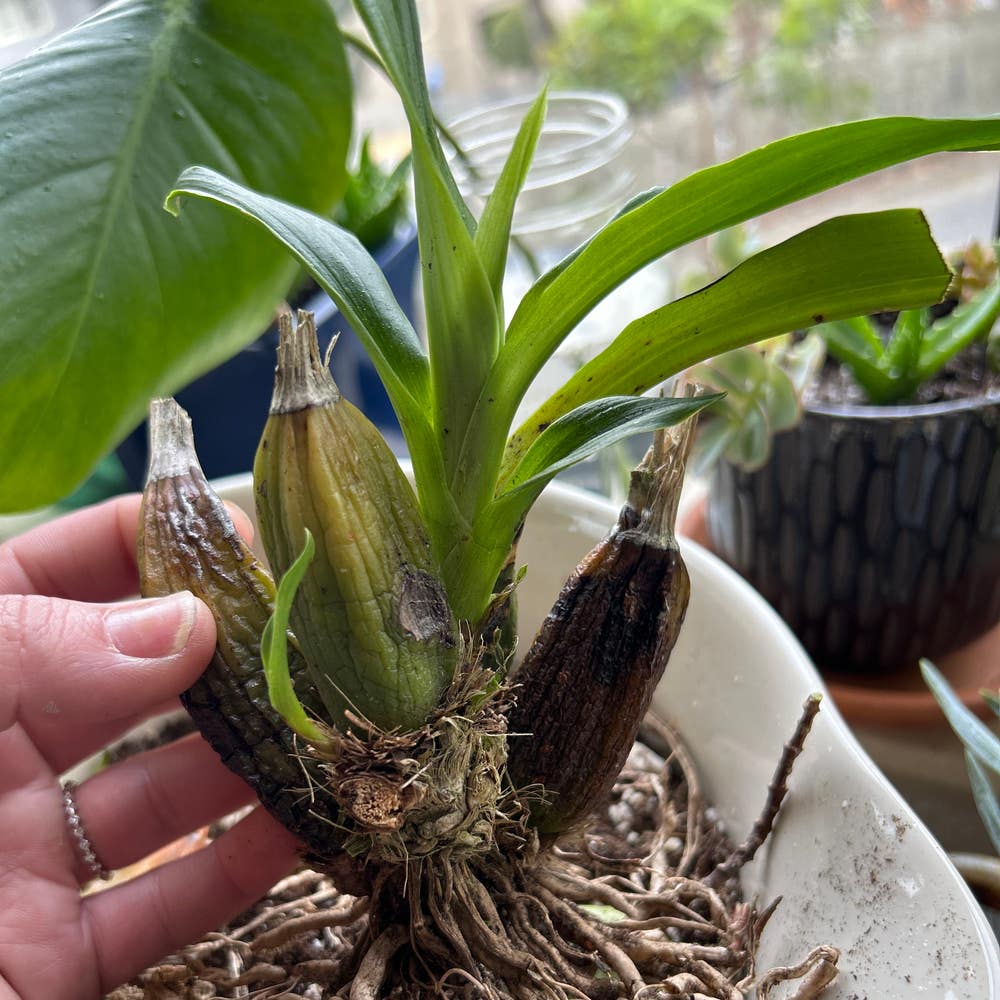
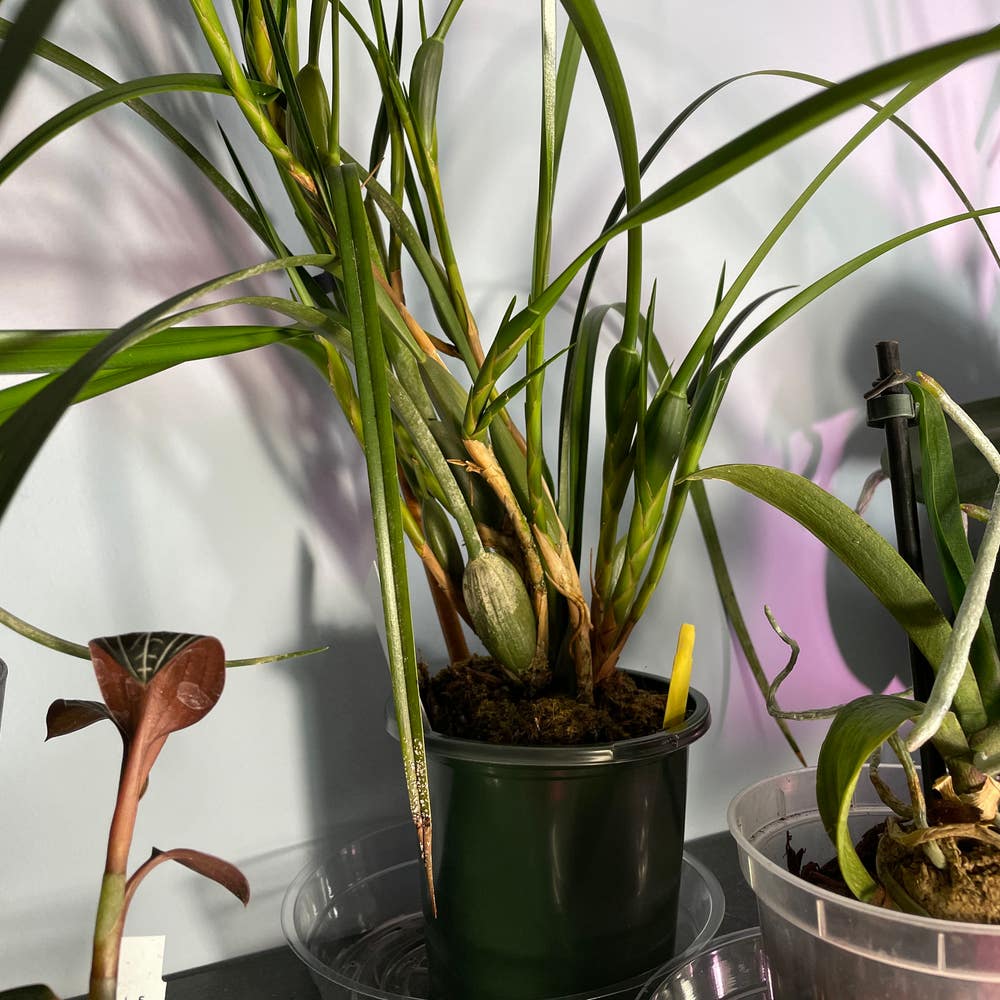
🌴 Planting Wild Coco in the Ground: A Step-by-Step Guide
Eulophia alta
By the Greg Editorial Team
Jan 06, 2025•6 min read
This article was created with the help of AI so we can cover more plants for you. May contain errors. See one? Report it here.
- 🌡️ Wild coco thrives in warm, humid conditions—ideal temperatures are 20°C to 30°C.
- ☀️ Ensure at least six hours of sunlight daily for optimal growth and health.
- 🌱 Prevent root rot by ensuring proper drainage and avoiding overwatering.
Choosing the Right Location
Ideal Growing Conditions 🌡️
To successfully grow wild coco, start by understanding its ideal conditions. This plant thrives in warm temperatures, ideally between 20°C to 30°C (68°F to 86°F).
Humidity is another crucial factor; wild coco loves high humidity levels of 60% or more. Additionally, ensure it receives at least six hours of sunlight daily, as it prefers full sun to partial shade.
Outdoor Location Selection 🌳
When selecting an outdoor location, avoid areas that are prone to frost. Frost can severely damage young plants, so consider microclimates that offer some protection.
Good air circulation is essential to prevent fungal diseases. Look for spots that allow for airflow while still providing the warmth and humidity wild coco craves.
Container Location Considerations 🪴
If you're planting in containers, choose a location that gets plenty of sunlight. It's also important to protect your plants from strong winds, which can damage them.
Accessibility is key for regular maintenance and care. Make sure you can easily reach your plants for watering, pruning, and monitoring their health.
With the right location secured, you're one step closer to a thriving wild coco garden! Next, let’s dive into soil preparation and planting techniques to set your plants up for success.
Soil Preparation and Planting Techniques
🌱 Soil Preparation Steps
Preparing the soil is crucial for the successful growth of wild coco. Start by clearing the area of weeds and debris to create a clean slate for planting.
Next, amend the soil with organic compost or well-rotted manure. This enhances fertility and provides essential nutrients for your plants.
It's also important to test the soil pH. If necessary, adjust it using lime to raise the pH or sulfur to lower it.
Finally, ensure proper drainage by mixing in sand or perlite if your soil is heavy. This step prevents waterlogging, which can harm the roots.
🌍 Planting in the Ground
Once your soil is ready, it’s time to plant. Dig a hole that is twice the width of the root ball and the same depth. This gives the roots plenty of room to spread.
Place the plant in the hole, making sure the top of the root ball is level with the soil surface. This positioning is key for healthy growth.
Backfill the hole with soil and water thoroughly. This helps eliminate air pockets and ensures good contact between the roots and soil.
🪴 Container Planting
If you prefer container planting, choose a pot that is at least 18-24 inches in diameter and has drainage holes. This size allows for adequate root development.
Fill the container with your prepared soil mix, leaving enough space for the root ball. This ensures the plant has room to grow without being cramped.
Follow the same planting steps as you would for in-ground planting. Proper care during this process sets the stage for vibrant growth.
With these soil preparation and planting techniques, you're well on your way to cultivating healthy wild coco plants. Next, let’s explore how to keep them thriving with proper watering and fertilization.
Watering and Fertilization
Watering Requirements 🌊
Watering is crucial for the health of your wild coco plants. Aim to water deeply once a week, increasing frequency during hot weather to keep your plants thriving.
Maintain consistent soil moisture, but be careful not to let it become waterlogged. Overwatering can lead to root rot, a common issue that can quickly derail your gardening efforts.
Fertilization Schedule 🌱
Fertilization is another key aspect of plant care. During the growing season, which spans spring and summer, fertilize every 4-6 weeks to provide essential nutrients.
Opt for balanced fertilizers, such as NPK 10-10-10, or go organic with options like fish emulsion or compost tea. These choices will help your wild coco flourish and produce vibrant foliage.
By keeping a close eye on watering and fertilization, you'll set your wild coco plants up for success. Next, let’s explore pruning techniques and ongoing care to ensure your plants remain healthy and beautiful.
Pruning and Ongoing Care
Pruning Techniques 🌿
Pruning is essential for maintaining the health and appearance of your wild coco plants. Start by using clean, sharp pruning shears to prevent the spread of disease.
Next, remove any dead or yellowing leaves at the base. This not only improves aesthetics but also encourages new growth.
Trim back excessively long stems to promote a fuller shape. This helps the plant focus its energy on producing healthy foliage and blooms.
Finally, prune after flowering to encourage new growth. This timing allows the plant to recover and thrive in the next growing season.
Regular Maintenance Tasks 🧹
Regular maintenance is key to a thriving wild coco plant. Monitor for pests and diseases regularly to catch any issues early.
Mulching around the base retains moisture and suppresses weeds, creating a healthier environment for your plant.
Adjust your watering and fertilization based on the growth stage and seasonal changes. This ensures your plant gets the nutrients it needs when it needs them.
By staying proactive with pruning and maintenance, you'll set your wild coco up for success. Next, let’s explore common challenges and solutions to keep your plants flourishing.
Common Challenges and Solutions
Identifying Pests and Diseases 🐛
Growing wild coco can be a rewarding experience, but it comes with its share of challenges. Common pests like aphids, spider mites, and mealybugs can wreak havoc on your plants if not addressed promptly.
In addition to pests, diseases such as root rot from overwatering and various fungal infections can threaten your plant's health. Keeping an eye out for these issues is crucial for maintaining a thriving garden.
Solutions for Growth Problems 💪
When it comes to pest control, using insecticidal soap or neem oil can be effective. These solutions are gentle on your plants while tackling unwanted visitors.
To prevent root rot, ensure proper drainage and avoid overwatering. A well-draining soil mix is essential for healthy root development.
Implementing crop rotation and companion planting can also help reduce disease risk. These practices promote biodiversity and create a more resilient garden ecosystem.
By staying vigilant and proactive, you can overcome these common challenges and enjoy a flourishing wild coco garden. Next, let’s explore the essential aspects of pruning and ongoing care to keep your plants in top shape.
⚠️ Safety First
This content is for general information and may contain errors, omissions, or outdated details. It is not medical, veterinary advice, or an endorsement of therapeutic claims.
Always consult a qualified healthcare professional before using any plant as food, medicine, or supplement.
Never eat any plant (or feed one to pets) without confirming its identity with at least two trusted sources.
If you suspect poisoning, call Poison Control (800) 222-1222, the Pet Poison Helpline (800) 213-6680, or your local emergency service immediately.
Spotted an error? Please report it here.
Transform your garden with thriving wild coco 🌱 by using Greg's tailored reminders and expert tips to ensure your plants flourish every step of the way!