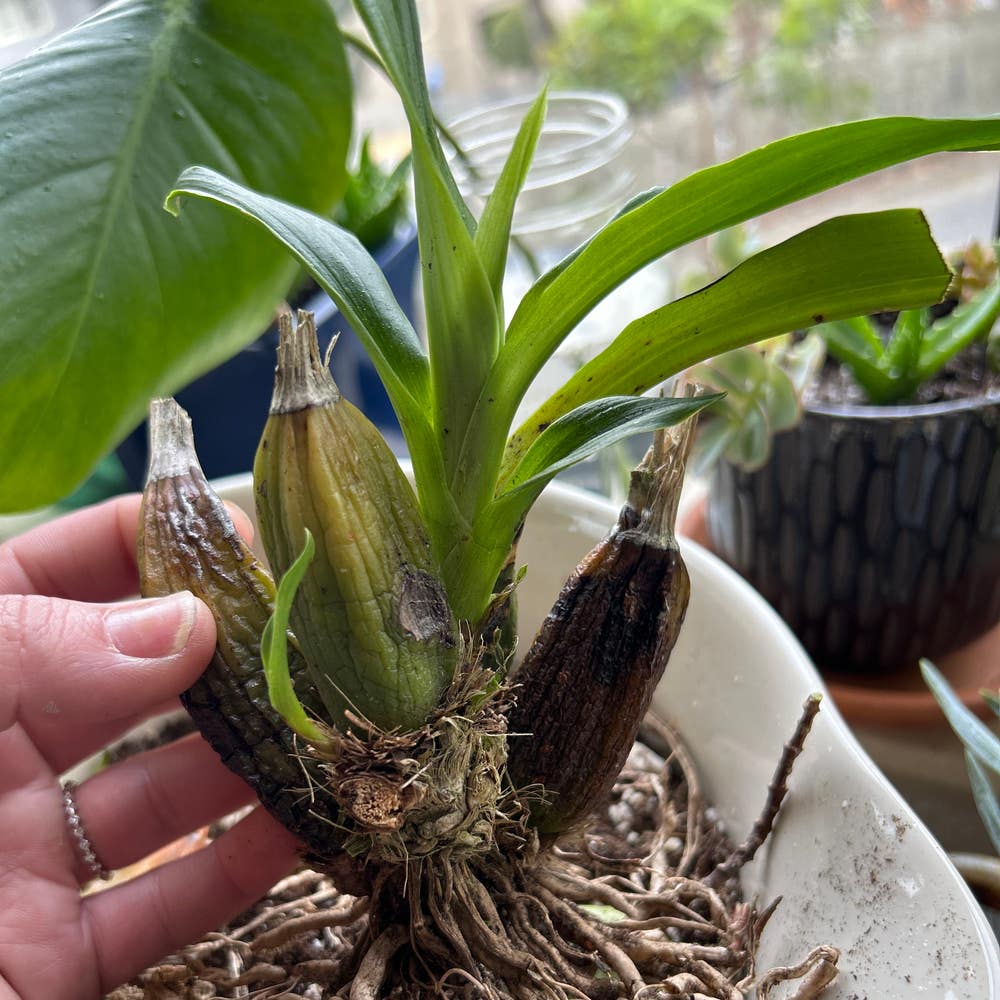
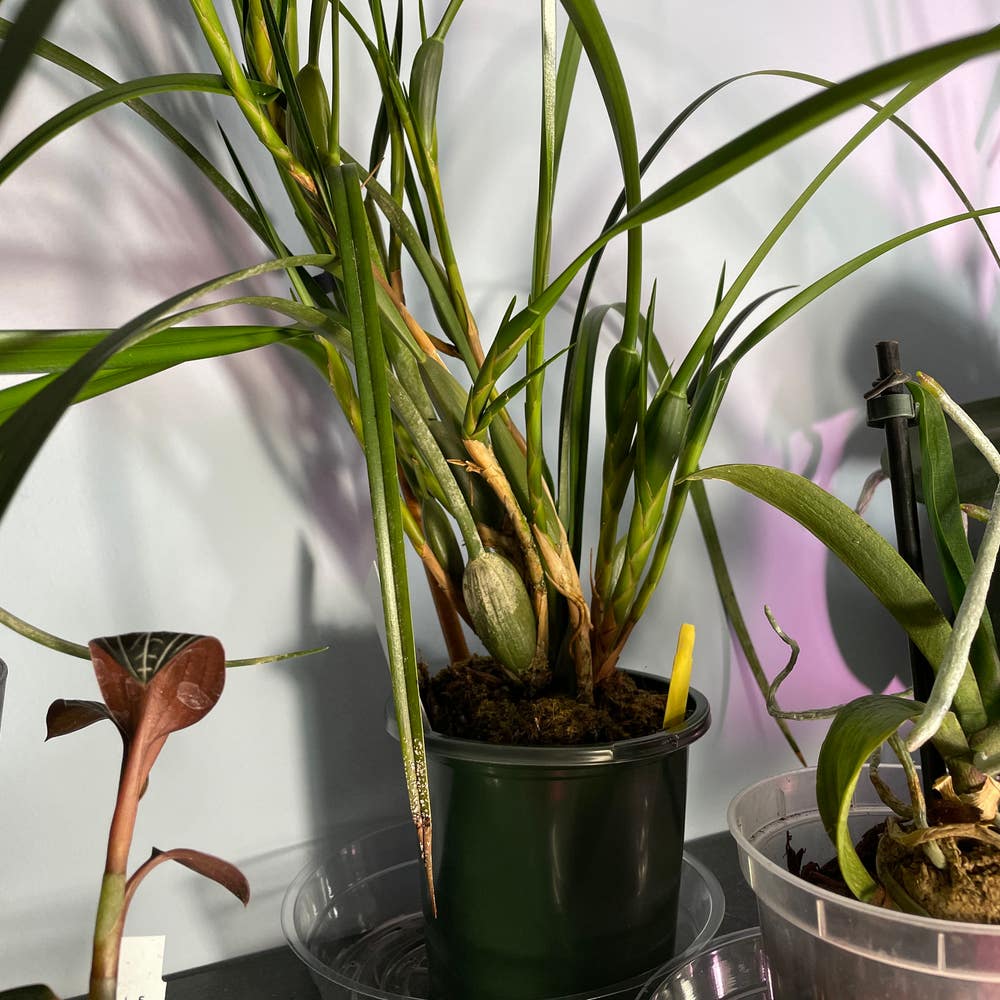
What to Do About Dropping Leaves on Your Wild Coco 🍂
Eulophia alta
By the Greg Editorial Team
Jan 06, 2025•6 min read
This article was created with the help of AI so we can cover more plants for you. May contain errors. See one? Report it here.
- 🌱 Leaf drop in Wild Coco is often due to humidity changes and inconsistent light.
- 💧 Overwatering and underwatering both cause leaf drop; check soil moisture regularly.
- 🐛 Pest infestations like spider mites lead to leaf drop; inspect plants frequently.
Causes of Leaf Drop
🌪️ Environmental Stress Factors
Leaf drop in your Wild Coco can often be traced back to environmental stressors. Common issues include sudden changes in humidity levels, inconsistent light exposure, and prolonged exposure to drafts or cold temperatures.
These stress factors can disrupt the plant's natural balance, leading to leaf drop as a survival mechanism. Keeping your plant in a stable environment is crucial for its health.
💧 Watering Issues
Overwatering
Overwatering is one of the most frequent culprits behind leaf drop. Symptoms include yellowing leaves and mushy roots, signaling that your plant is drowning.
This issue often arises from poor drainage or excessive watering frequency. Ensuring your pot has adequate drainage holes can help prevent this problem.
Underwatering
On the flip side, underwatering can also lead to leaf drop. Signs to watch for include wilting leaves and crispy leaf edges, indicating that your plant is thirsty.
Infrequent watering and dry soil conditions are the main causes here. Regularly checking soil moisture can help you maintain the right balance.
🥦 Nutrient Deficiencies
Nutrient deficiencies can significantly impact your Wild Coco's health. Key nutrients to monitor include nitrogen, which is essential for leaf growth, potassium for overall plant vigor, and magnesium, crucial for chlorophyll production.
A lack of these nutrients can lead to poor growth and increased leaf drop. Regular fertilization can help keep your plant nourished.
🐜 Pest Infestations
Pest infestations are another common reason for leaf drop. Spider mites, for example, leave behind webbing and stippled leaves, while scale insects create a sticky residue and cause yellowing leaves.
Regular inspections can help you catch these pests early. Addressing infestations promptly is essential to prevent further damage to your Wild Coco.
Understanding these causes is the first step in preventing leaf drop and ensuring your plant thrives. Next, we’ll explore how to diagnose leaf drop effectively.
Diagnosing Leaf Drop
🌿 Identifying Symptoms of Leaf Drop
When your Wild Coco starts dropping leaves, it's crucial to identify the symptoms early. Look for yellowing leaves, wilting, and curling, as these are clear indicators that something is amiss.
🏡 Assessing Plant Environment
Next, evaluate the plant's environment. Ensure it receives bright, indirect sunlight, which is ideal for growth.
💧 Checking Humidity Levels
Humidity plays a vital role in your plant's health. Aim to maintain humidity levels above 50% to keep your Wild Coco thriving.
🌡️ Monitoring Temperature
Temperature is another key factor. Keep your plant in an optimal range to prevent stress and encourage healthy growth.
🌱 Checking Soil Moisture Levels
To assess soil moisture, you can use a couple of simple techniques.
Finger Test
Insert your finger into the soil to check for moisture. If it feels dry an inch down, it’s time to water.
Soil Moisture Meter
For a more accurate reading, consider using a soil moisture meter. This tool can help you gauge moisture levels effectively.
🐛 Inspecting for Pests and Diseases
Regular inspections are essential for catching pests and diseases early.
Visual Checks
Conduct visual checks for pests on leaves and stems. Look for any signs of damage or infestation that could be affecting your plant's health.
By following these diagnostic steps, you can pinpoint the causes of leaf drop and take action to restore your Wild Coco to its vibrant self. Next, let’s explore how to prevent leaf drop from happening in the first place.
Preventing Leaf Drop
💧 Best Watering Practices
Watering your Wild Coco correctly is crucial for preventing leaf drop. Aim to water every 1-2 weeks, adjusting based on your plant's specific conditions.
To ensure proper hydration, water until it drains from the bottom of the pot. It's also important to let the top inch of soil dry out between waterings to prevent overwatering.
🌱 Ideal Soil Conditions and Amendments
The right soil can make all the difference. A well-draining potting mix is preferred for Wild Coco, as it helps prevent root rot and promotes healthy growth.
Consider adding perlite or sand to improve drainage if your mix retains too much moisture.
🌿 Nutrient Management
Nutrient deficiencies can lead to leaf drop, so regular feeding is essential. Fertilize every 4-6 weeks during the growing season to keep your plant thriving.
Use a balanced NPK formula, such as 10-10-10, to provide the essential nutrients your Wild Coco needs for robust growth.
💦 Maintaining Optimal Humidity Levels
Humidity plays a key role in your plant's health. Wild Coco thrives in humidity levels above 50%, so consider methods to boost moisture in the air.
Using a humidifier can help, or you can place a tray of water near the plant to create a more humid microenvironment.
☀️ Proper Light Exposure for Healthy Growth
Light conditions are vital for preventing leaf drop. Your Wild Coco will flourish in bright, indirect sunlight for about 6-8 hours daily.
Ensure your plant is not exposed to direct sunlight, which can scorch the leaves and lead to stress.
By following these preventive measures, you'll create an environment where your Wild Coco can thrive, reducing the likelihood of leaf drop and promoting overall health. Next, let’s explore how to diagnose leaf drop effectively.
Treating Leaf Drop
🧭 Step-by-Step Guide to Remedying Overwatering
Overwatering can be a sneaky culprit behind leaf drop. Start by assessing soil moisture levels; if the soil feels soggy, it's time to take action.
- Remove the plant from its pot to inspect the roots.
- Trim away any rotten roots you find; they won't help your plant thrive.
- Repot the plant in fresh, well-draining soil to encourage healthy growth.
- Adjust your watering schedule to prevent future issues.
💧 How to Address Underwatering Issues
Underwatering can be just as damaging as overwatering. If your plant is wilting, it's time to step in.
- Gradually increase your watering frequency to ensure the plant gets enough moisture.
- Soak the soil thoroughly, allowing excess water to drain out to avoid waterlogging.
🥦 Solutions for Nutrient Deficiencies
Nutrient deficiencies can lead to poor plant health and leaf drop. Start by conducting a soil test to identify any deficiencies.
- Once you know what's lacking, apply appropriate fertilizers based on the test results. This will help restore balance and promote robust growth.
🐛 Pest Control Methods Specific to Wild Coco
Pests can wreak havoc on your Wild Coco, leading to leaf drop. Implementing organic pest control methods can be effective and safe.
- Use neem oil to tackle spider mites; it’s a natural solution that works wonders.
- For scale insects, insecticidal soap can help eliminate these pests without harming your plant.
By addressing these issues promptly, you can help your Wild Coco recover and thrive. Next, let’s explore how to care for your plant after it has experienced leaf drop.
Post-Drop Care
✂️ Pruning Techniques for Damaged Leaves
Once your Wild Coco has stabilized after leaf drop, it's time to prune. Cutting damaged leaves at the base not only tidies up the plant but also encourages fresh growth.
👀 Monitoring Plant Recovery
Keep a close eye on your plant as it recovers. Regularly check for new growth and overall health, adjusting your care practices based on how well your Wild Coco responds.
By staying attentive, you can ensure your plant thrives and flourishes once again.
⚠️ Safety First
This content is for general information and may contain errors, omissions, or outdated details. It is not medical, veterinary advice, or an endorsement of therapeutic claims.
Always consult a qualified healthcare professional before using any plant as food, medicine, or supplement.
Never eat any plant (or feed one to pets) without confirming its identity with at least two trusted sources.
If you suspect poisoning, call Poison Control (800) 222-1222, the Pet Poison Helpline (800) 213-6680, or your local emergency service immediately.
Spotted an error? Please report it here.
Keep your Wild Coco thriving 🌿 by using Greg's tailored reminders for humidity and watering, ensuring it gets the perfect care to prevent leaf drop!