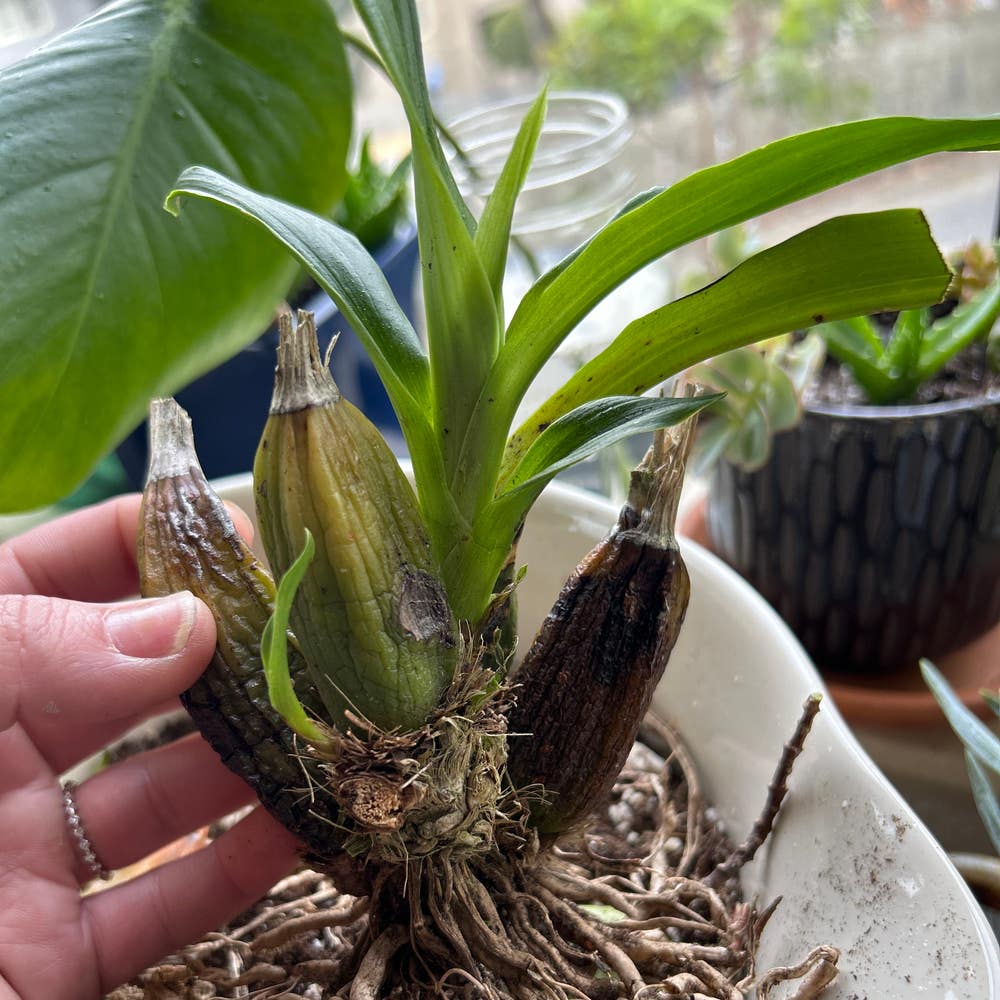
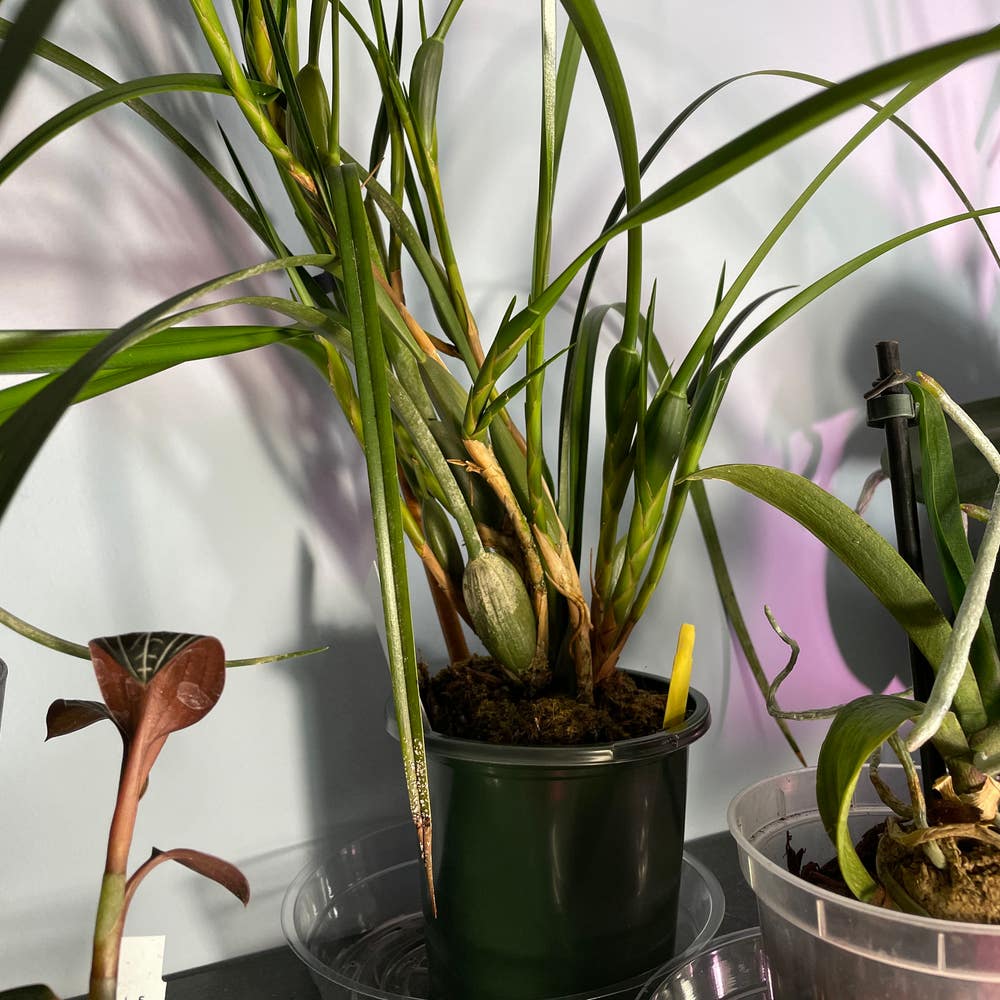
🍫 8 Steps to a Healthy Outdoor Wild Coco
Eulophia alta
By the Greg Editorial Team
Jan 06, 2025•5 min read
This article was created with the help of AI so we can cover more plants for you. May contain errors. See one? Report it here.
- ☀️ Wild coco needs 6-8 hours of sunlight for optimal growth; avoid excessive sun exposure.
- 💧 Water every 1-2 weeks; check soil moisture to prevent over or underwatering.
- 🌱 Use well-draining soil and organic matter for healthy root development and growth.
Sunlight Needs
Ideal Sunlight Exposure 🌞
For a thriving outdoor wild coco, aim for full sun to partial shade, providing 6-8 hours of sunlight daily. The best placement is in east or west-facing locations, which capture optimal light throughout the day.
Effects of Sunlight ☀️
Too much sunlight can lead to leaf scorch, characterized by brown edges and crispy leaves. Additionally, plants may wilt during peak sun hours, struggling to cope with the intensity.
On the flip side, insufficient sunlight stunts growth, resulting in sparse foliage and elongated stems. Yellowing leaves are another telltale sign, indicating your plant isn't getting enough light to thrive.
Understanding these sunlight needs is crucial for ensuring your wild coco flourishes. Next, let’s dive into the watering requirements to keep your plant hydrated and healthy.
Watering Requirements
Frequency of Watering 🌧️
To keep your outdoor wild coco thriving, establish a watering schedule of every 1-2 weeks. This timing can vary based on rainfall and temperature, so stay attentive to the weather.
Check the soil moisture by sticking your finger 1-2 inches into the soil. If it feels dry, it's time to water.
Signs of Watering Issues 🚨
Overwatering can lead to yellowing leaves and wilting, even when the soil is wet. If you notice dark, mushy roots during inspection, root rot may be the culprit.
On the other hand, underwatering shows its effects through drooping leaves and dry soil. You might also see older leaves dropping prematurely, signaling that your plant needs a drink.
Understanding these watering requirements is crucial for the health of your wild coco. With the right balance, your plant will flourish and reward you with vibrant growth.
Next, let’s explore the soil preferences that will set the foundation for your plant's success.
Soil Preferences
Best Soil Types 🌱
For your outdoor wild coco, the right soil is crucial. Aim for well-draining soil, ideally loamy or sandy, to prevent waterlogging and promote healthy root development.
Incorporating organic matter, like compost, can significantly enhance soil fertility. This addition not only nourishes your plants but also improves soil structure, allowing for better moisture retention.
Soil pH Considerations ⚗️
Maintaining the correct soil pH is vital for optimal growth. The ideal pH range for wild coco is between 6.0 and 7.0, which supports nutrient availability.
To ensure your soil is within this range, consider testing it. You can use a home testing kit or send samples to a lab for a more detailed analysis.
Understanding these soil preferences will set the foundation for a thriving outdoor wild coco. Next, let’s explore the fertilization process to further enhance your plant's growth.
Fertilization
🌱 Types of Fertilizers
When it comes to fertilizing your outdoor wild coco, choosing the right type is crucial. Balanced NPK fertilizers, such as 10-10-10 or 20-20-20 formulations, provide essential nutrients for robust growth.
For those leaning towards organic gardening, options like fish emulsion or seaweed extract can work wonders. These natural fertilizers enrich the soil without the harsh chemicals, promoting a healthier ecosystem.
📅 Fertilization Schedule
Timing is everything in gardening. Aim to fertilize every 4-6 weeks during the growing season, which spans spring and summer.
Always follow the package instructions for dilution and application. This ensures your plants receive the right amount of nutrients without the risk of over-fertilization, which can harm their growth.
As you nurture your wild coco, remember that proper fertilization is just one piece of the puzzle. Next, let’s explore how to protect your plants and provide seasonal care to keep them thriving year-round.
Protection and Seasonal Care
☔️ Weather Protection Strategies
Protecting your outdoor wild coco from extreme weather is crucial for its health. During intense heat, using shade cloth can shield your plant from scorching rays.
Mulching is another effective strategy. It helps retain soil moisture and regulates temperature, creating a more stable environment for your plant.
🐛 Managing Outdoor Pests
Outdoor pests can be a real nuisance for your wild coco. Aphids are common culprits, and their presence is often indicated by a sticky residue on leaves and curled foliage.
To control aphids, consider using insecticidal soap or neem oil. These methods are effective and environmentally friendly.
Spider mites are another pest to watch for. They leave fine webbing and cause stippled leaves, which can be detrimental to your plant's health.
Increasing humidity around your plant can help deter spider mites. Additionally, using miticides can effectively manage these pests.
🍂 Seasonal Changes and Care
As the seasons change, so should your care routine for your wild coco. In spring, focus on fertilization and repotting as needed to promote healthy growth.
During summer, increase your watering frequency and keep a close eye on pests. This proactive approach will help maintain your plant's vitality.
As fall approaches, prepare for cooler temperatures by reducing watering. This adjustment helps your plant acclimate to the changing environment.
In winter, mulching becomes essential. It insulates roots against freezing temperatures, ensuring your plant survives the cold. If you have container plants, move them indoors or to sheltered locations to protect them from harsh winter conditions.
With these strategies in place, your wild coco will thrive through every season. Next, let’s explore the essential soil preferences for optimal growth.
⚠️ Safety First
This content is for general information and may contain errors, omissions, or outdated details. It is not medical, veterinary advice, or an endorsement of therapeutic claims.
Always consult a qualified healthcare professional before using any plant as food, medicine, or supplement.
Never eat any plant (or feed one to pets) without confirming its identity with at least two trusted sources.
If you suspect poisoning, call Poison Control (800) 222-1222, the Pet Poison Helpline (800) 213-6680, or your local emergency service immediately.
Spotted an error? Please report it here.
Nurture your outdoor wild coco to be thriving 🌱 with Greg's tailored care reminders and soil moisture checks, ensuring it gets the right light, water, and protection all year round!