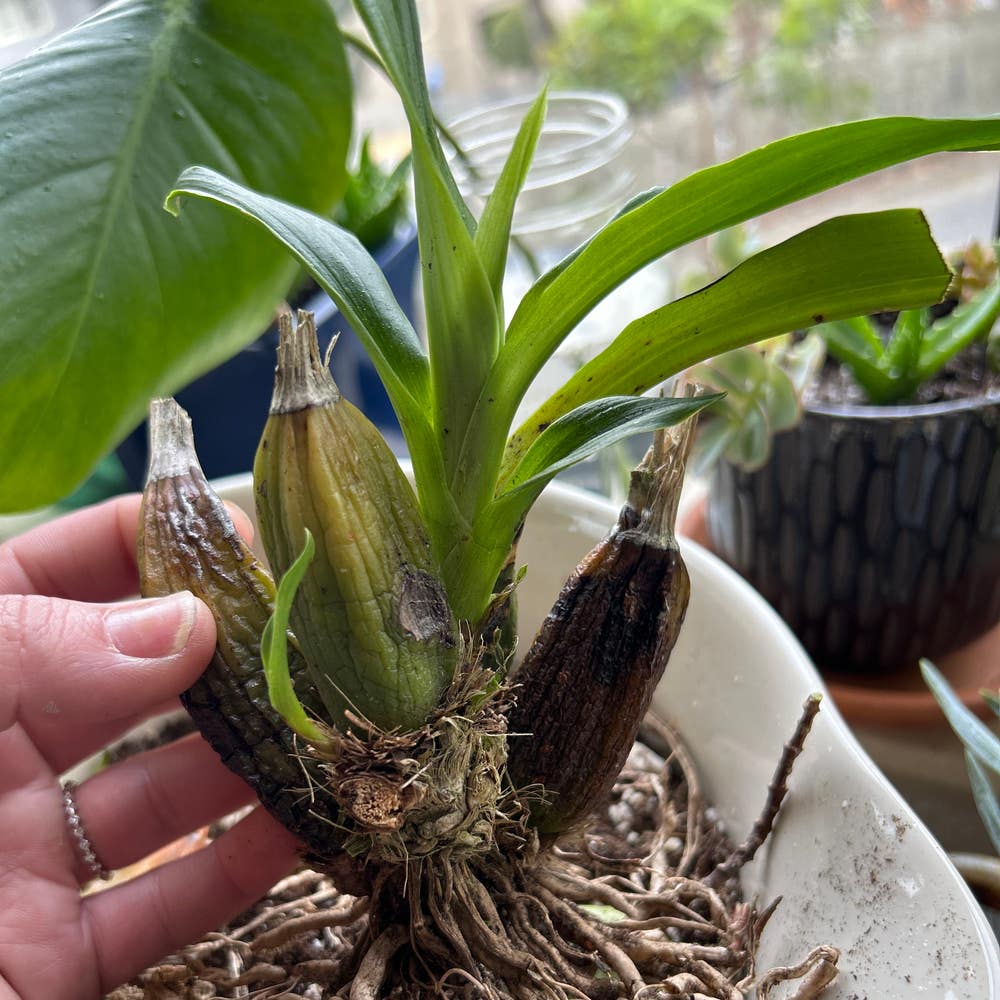
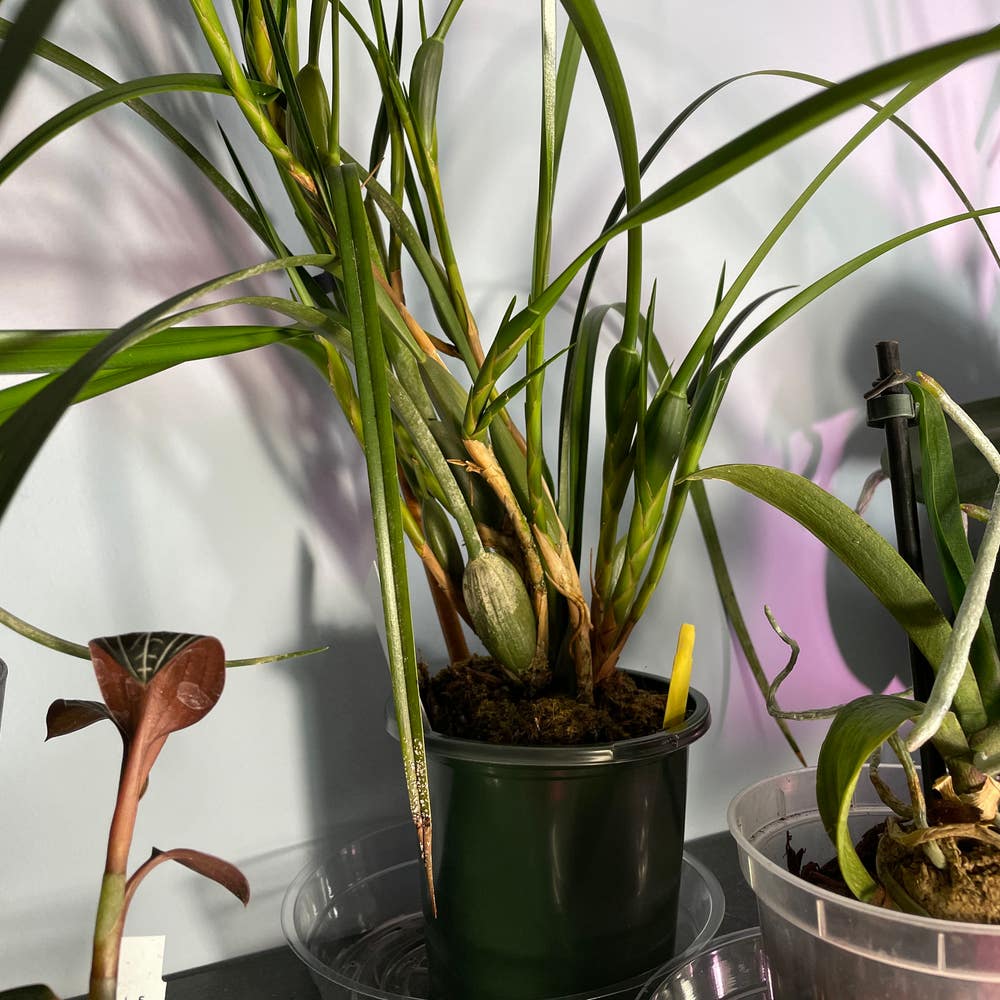
💧 Wild Coco Care: Preventing Wilting
Eulophia alta
By the Greg Editorial Team
Jan 06, 2025•6 min read
This article was created with the help of AI so we can cover more plants for you. May contain errors. See one? Report it here.
- 💧🌡️ Wilting in Wild Coco is caused by water stress, heat stress, or disease.
- 🌱 Monitor soil moisture and adjust watering to prevent dehydration or root rot.
- 🌿✨ Maintain humidity and indirect light for optimal growth and to avoid wilting.
Common Causes of Wilting Leaves
💧 Water Stress
Water stress is a common culprit behind wilting leaves. It occurs when your Wild Coco either receives insufficient water, leading to dehydration, or too much water, causing root rot.
Symptoms of water stress are easy to spot. Look for drooping leaves, dry soil, or overly saturated soil that feels mushy.
🔥 Heat Stress
Heat stress can also wreak havoc on your plant. This happens when your Wild Coco is exposed to high temperatures, which can cause cellular damage.
Signs of heat stress include crispy leaf edges, yellowing leaves, and, of course, wilting. If you notice these symptoms, it's time to take action.
🦠 Disease-Related Wilting
While it’s important to consider disease-related wilting, it’s relatively rare in Wild Coco plants. Instead, focus on environmental factors first, as they are more likely to be the cause of wilting.
If you suspect a disease, look for other signs like unusual spots or growth patterns. However, remember that environmental issues usually take precedence in diagnosing wilting.
Diagnosing Wilting
Step-by-Step Guide to Diagnose Wilting 🌱
Diagnosing wilting in your Wild Coco starts with assessing soil moisture. Check if the soil is too dry or waterlogged; this is crucial for understanding your plant's hydration needs.
Next, evaluate the environmental conditions. Measure temperature and humidity levels to ensure they are within the ideal range for your plant.
Inspect the leaves for any signs of pests or disease. Look closely for discoloration or unusual textures that might indicate a problem.
Finally, check for root health. Gently remove the plant from its pot to inspect the roots for signs of rot or damage.
Signs to Look For in Wilting Leaves 👀
Pay attention to leaf color changes, such as yellowing or browning. These shifts can signal that your plant is struggling.
Texture changes are also important. Soft, mushy leaves indicate overwatering, while crispy edges suggest underwatering.
Monitor growth patterns as well. Stunted growth or a leggy appearance can indicate that your Wild Coco is not thriving.
By following these steps and observing these signs, you can effectively diagnose the cause of wilting in your Wild Coco. This understanding will guide you in taking the right actions to revive your plant and prevent future issues.
Solutions for Wilting
💧 Actionable Advice for Water Stress
To combat water stress, start by adjusting your watering schedule. Water your Wild Coco when the top inch of soil feels dry to the touch.
Another effective method is bottom watering. This technique allows the roots to absorb moisture from below, promoting healthier growth.
🌡️ Actionable Advice for Heat Stress
If your plant is suffering from heat stress, consider relocating it to a cooler area. Moving it to a shaded spot or an air-conditioned room can make a significant difference.
Additionally, increasing humidity can help. You can achieve this by using a humidity tray or misting the leaves regularly.
🦠 Actionable Advice for Disease-Related Wilting
For disease-related wilting, it's crucial to identify and treat any pests. Using insecticidal soap or neem oil can effectively manage infestations.
Improving air circulation is also essential. Ensure that your plants have enough space between them to reduce the risk of disease spreading.
By implementing these strategies, you can effectively address wilting in your Wild Coco and keep it thriving. Next, let’s explore preventive measures to minimize future wilting episodes.
Preventive Measures
Tips to Minimize Future Wilting Episodes 🌱
To keep your Wild Coco thriving, regularly monitor soil moisture and environmental conditions. This proactive approach helps you catch issues before they escalate.
Adjust your watering practices based on seasonal changes. Plants often need more water in the growing season and less during dormancy.
Environmental Adjustments 🌬️
Maintaining humidity levels is crucial; aim for 60-80% humidity for optimal growth. This can be achieved with a humidifier or by placing a tray of water near your plant.
Provide indirect light by positioning your Wild Coco in a spot with filtered sunlight. This protects the leaves from harsh rays while ensuring they receive enough light to flourish.
By implementing these preventive measures, you can significantly reduce the risk of wilting and keep your Wild Coco healthy and vibrant. Next, let’s explore effective solutions for reviving wilting plants.
Reviving Wilted Wild Coco
🌊 Techniques for Bottom Watering
Bottom watering is a fantastic way to revive your wilted Wild Coco.
- Fill a basin with water. Ensure the basin is deep enough to submerge the pot's base.
- Place the pot in the basin and allow it to soak for 30 minutes. This method encourages the roots to absorb moisture directly.
- Remove and let excess water drain. This prevents over-saturation, which can lead to root rot.
🏡 Relocating to a Suitable Environment
Sometimes, a change of scenery can work wonders for your plant.
- Identify a location with stable temperature and humidity. Aim for a spot that avoids extreme heat or cold drafts.
- Gradually acclimate the plant to new conditions to avoid shock. This helps your Wild Coco adjust without added stress.
✂️ Pruning Damaged Leaves
Pruning can be a game-changer for your plant's recovery.
- Use clean, sharp scissors to remove wilted or damaged leaves. This not only improves appearance but also redirects energy to healthier growth.
- Focus on cutting at the base of the leaf stem to promote new growth. This encourages fresh leaves to sprout, revitalizing your plant.
Reviving your Wild Coco is all about patience and care. With these techniques, you’ll be well on your way to restoring its vibrant health. Next, let’s explore when it’s time to seek help for persistent issues.
When to Seek Help
🆘 Signs That Require Expert Assistance
Sometimes, despite your best efforts, your Wild Coco may continue to wilt. If you notice persistent wilting even after adjusting your care routine, it’s time to consider seeking expert help.
Additionally, keep an eye out for severe pest infestations or signs of disease. If your plant shows unusual discoloration, sticky residue, or webbing, these could be indicators that professional intervention is necessary.
🌱 Resources for Local Nurseries and Online Communities
Local nurseries can be a fantastic resource for expert advice on plant health. They often have knowledgeable staff who can provide tailored solutions based on your specific situation.
Don’t underestimate the power of online communities as well. Engaging with fellow plant enthusiasts can offer shared experiences and practical solutions that might just save your Wild Coco.
⚠️ Safety First
This content is for general information and may contain errors, omissions, or outdated details. It is not medical, veterinary advice, or an endorsement of therapeutic claims.
Always consult a qualified healthcare professional before using any plant as food, medicine, or supplement.
Never eat any plant (or feed one to pets) without confirming its identity with at least two trusted sources.
If you suspect poisoning, call Poison Control (800) 222-1222, the Pet Poison Helpline (800) 213-6680, or your local emergency service immediately.
Spotted an error? Please report it here.
Keep your Wild Coco vibrant and happy 🌿 by using Greg's tailored watering reminders and care tips to prevent wilting and ensure optimal growth!