Why Wild Coco Is Not an Annual 🥥
Eulophia alta
By the Greg Editorial Team
Jan 06, 2025•4 min read
This article was created with the help of AI so we can cover more plants for you. May contain errors. See one? Report it here.
- 🌱 Wild Coco is a perennial, thriving for years unlike short-lived annuals.
- 🌍 Unique chromosomes and deep roots enhance adaptability and energy storage.
- 🌼 Seasonal growth cycles maximize blooming and biodiversity in gardens.
Wild Coco's Perennial Nature
🌱 Genetic Characteristics
Wild Coco boasts a unique chromosome structure that supports its long-term survival and adaptability. This genetic makeup is crucial for thriving in various environments, allowing the plant to endure and flourish over time.
Additionally, Wild Coco exhibits remarkable resilience. Its genetic traits enable it to regrow after seasonal dormancy, ensuring that it can bounce back each year, ready to thrive.
🌿 Physiological Traits
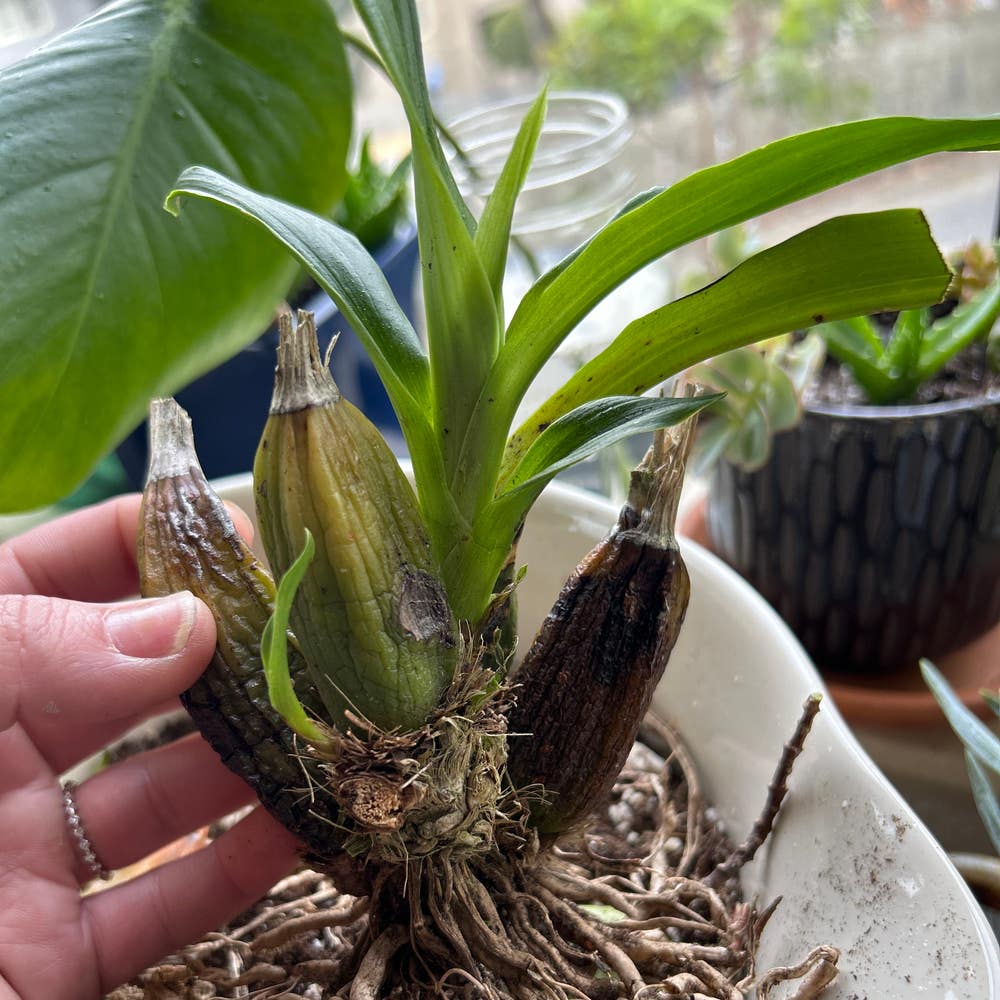
One of the standout features of Wild Coco is its deep, extensive root system. These roots not only anchor the plant but also store energy and nutrients, providing a solid foundation for growth.
Moreover, Wild Coco has a fascinating growth pattern. Each spring, it produces new shoots from its established roots, showcasing its ability to regenerate and adapt to changing conditions.
⏳ Lifecycle and Growth Patterns
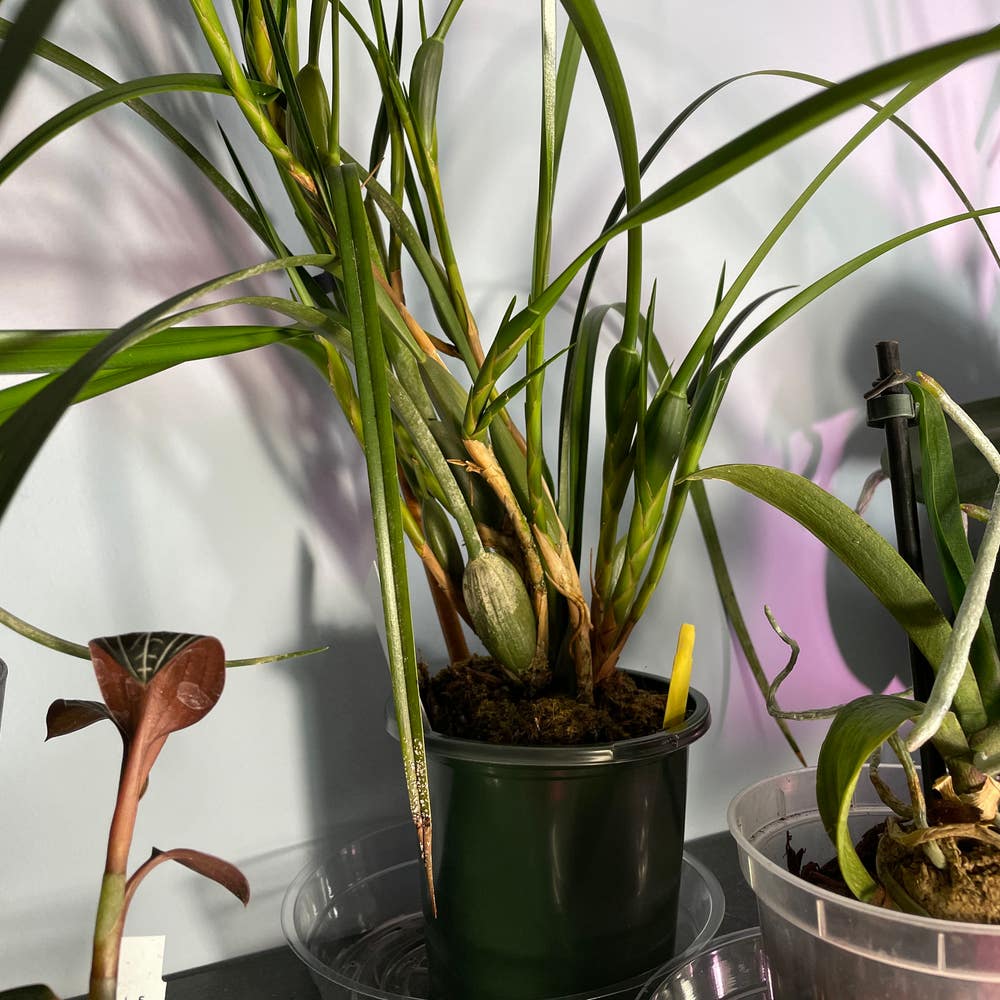
Wild Coco has a lifespan that can extend for several years. Its growth cycles are finely tuned to adapt to seasonal changes, allowing it to maximize its potential throughout the year.
In terms of seasonal behavior, Wild Coco demonstrates a clear pattern. It enters dormancy during the winter months, conserving energy, and then springs back to life with active growth in the warmer spring and summer seasons.
This perennial nature not only enhances the plant's resilience but also makes it a valuable addition to any garden. As we explore further, we'll delve into its reproductive strategies and how they contribute to its longevity.
Reproductive Strategies
Flowering Patterns 🌸
Wild Coco showcases a fascinating flowering pattern that spans multiple seasons. Unlike many plants that bloom in a single burst, Wild Coco spreads its flowering over an extended period, ensuring a continuous display of beauty.
This extended flowering time isn't just for show; it plays a crucial role in attracting a variety of pollinators. By timing its blooms to coincide with the activity of different pollinators, Wild Coco maximizes its chances of successful pollination.
Seed Production 🌱
When it comes to seed production, Wild Coco takes a gradual approach. Instead of producing all its seeds at once, it releases them over time, which allows for a longer germination window.
This strategy is particularly advantageous, as it enables seeds to remain dormant in the soil until conditions are just right. This adaptability ensures that Wild Coco can thrive even in fluctuating environments, making it a resilient choice for any garden.
Misconceptions and Variations
🌱 Conditions Leading to Misclassification
Wild Coco often faces misclassification due to environmental stress. When conditions are poor—like inadequate sunlight or nutrient-deficient soil—the plant may exhibit reduced growth or flowering, leading some to mistakenly label it as an annual.
Mismanagement also plays a significant role in this confusion. Incorrect care practices, such as overwatering or improper pruning, can hinder its natural lifecycle, causing gardeners to perceive it as a less resilient plant than it truly is.
🌍 Regional Variations
Climate significantly influences Wild Coco's growth patterns. In warmer regions, it may thrive and bloom more vigorously, while in cooler climates, its growth can slow, affecting its overall appearance and health.
Soil types further contribute to these variations. Rich, well-draining soil supports robust growth, while compacted or poor-quality soil can stunt development and reproductive success. Understanding these factors is crucial for proper cultivation and appreciation of Wild Coco's perennial nature.
Implications for Gardeners
🌼 Benefits in Garden Design
Wild Coco's perennial nature is a game changer for garden design. By reducing the need for annual replanting, it saves both time and resources, allowing gardeners to focus on other aspects of their green spaces.
Additionally, Wild Coco enhances biodiversity in your garden. Its presence provides essential habitat and food for various wildlife, contributing to a thriving ecosystem.
⏳ Strategies for Maximizing Longevity
To ensure your Wild Coco thrives, prioritize soil health. Maintaining nutrient-rich, well-draining soil is crucial for supporting robust growth and resilience.
Equally important is establishing a consistent watering schedule. Regular watering helps the plant adapt and flourish, especially during its active growth phases.
✂️ Management Tips
Pruning is a vital technique for encouraging healthy growth and abundant flowering. Regularly trimming back dead or overgrown branches promotes new growth and keeps the plant looking its best.
Fertilization also plays a key role in boosting vitality. Implement seasonal fertilization to provide essential nutrients that support the plant's overall health.
Lastly, consider integrated pest management strategies. These approaches help protect Wild Coco from pests while minimizing environmental impact, ensuring a healthy garden ecosystem.
By understanding these implications, gardeners can make informed decisions that enhance their gardening experience and promote the longevity of Wild Coco. Next, we’ll explore common misconceptions and regional variations that can affect how this plant is perceived and cultivated.
⚠️ Safety First
This content is for general information and may contain errors, omissions, or outdated details. It is not medical, veterinary advice, or an endorsement of therapeutic claims.
Always consult a qualified healthcare professional before using any plant as food, medicine, or supplement.
Never eat any plant (or feed one to pets) without confirming its identity with at least two trusted sources.
If you suspect poisoning, call Poison Control (800) 222-1222, the Pet Poison Helpline (800) 213-6680, or your local emergency service immediately.
Spotted an error? Please report it here.
Unlock the perennial potential of Wild Coco 🌱 with Greg's tailored care reminders, ensuring your plant flourishes season after season!