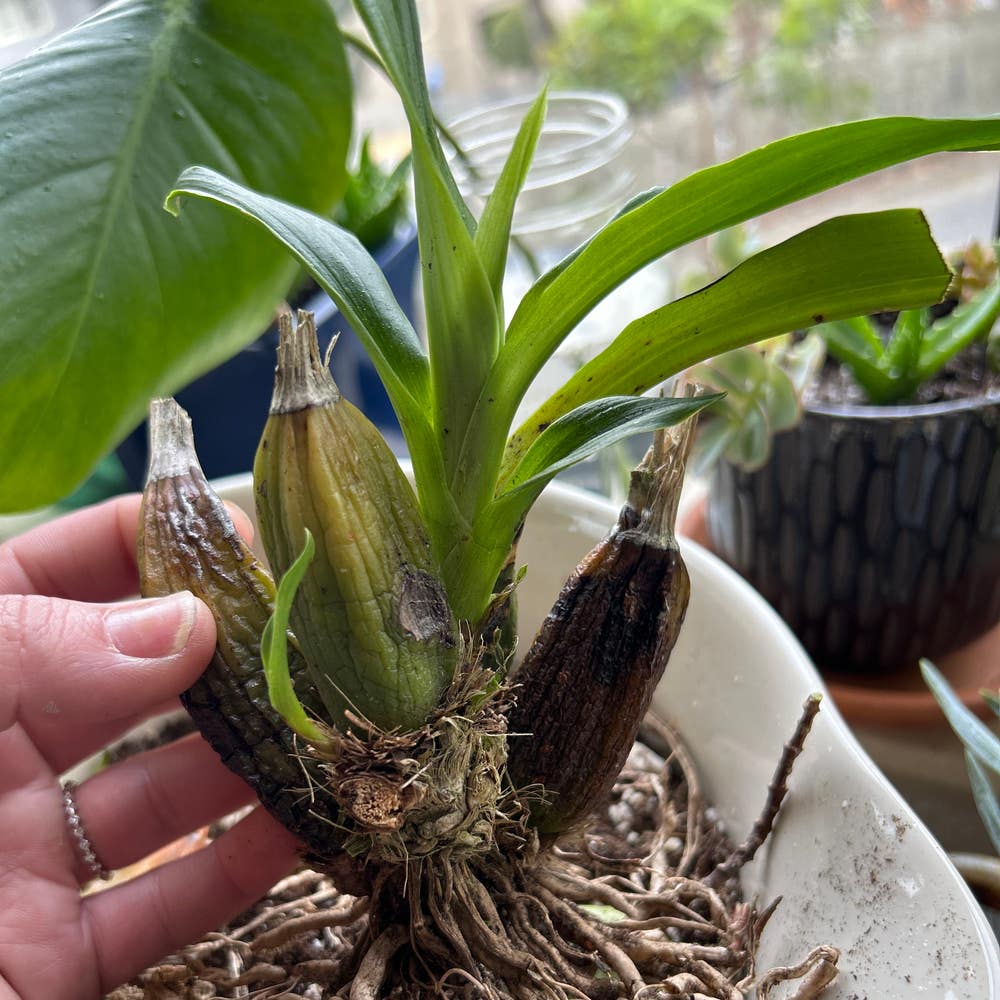
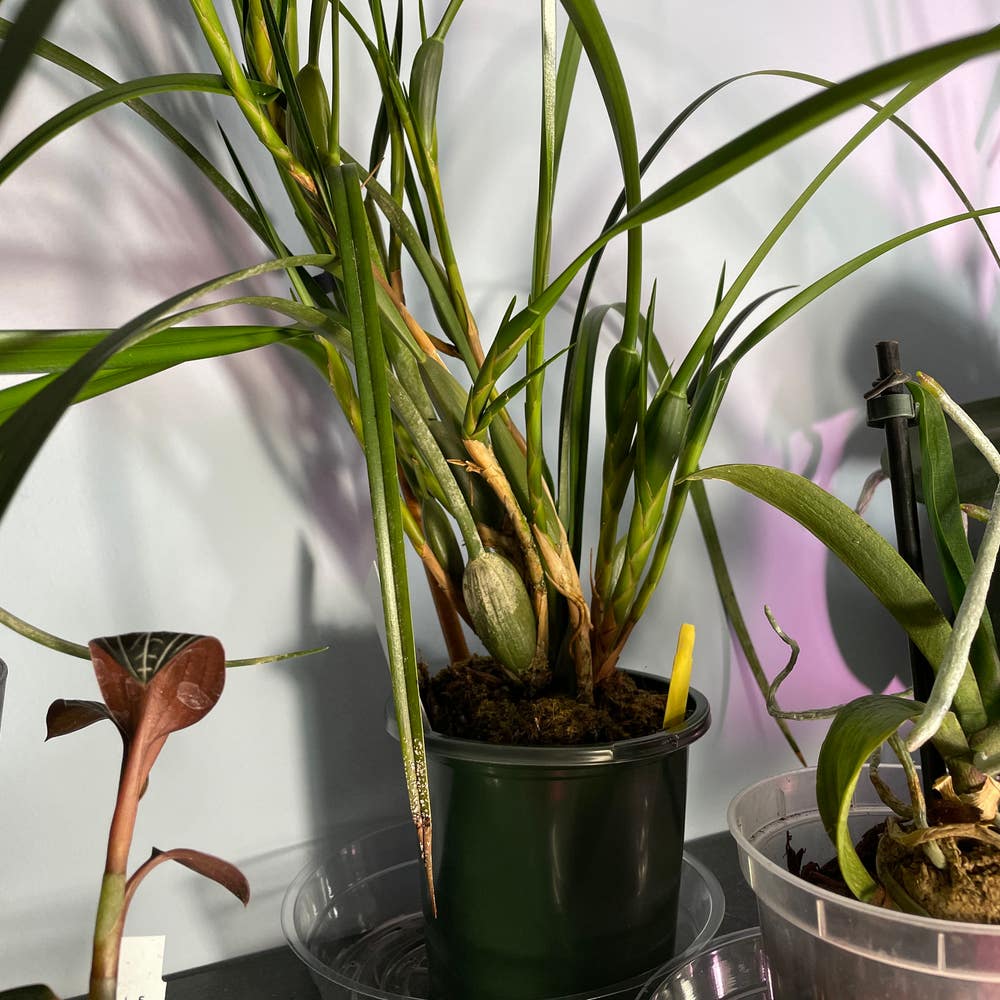
🍃 What to Do About Leaves Falling Over on Your Wild Coco
Eulophia alta
By the Greg Editorial Team
Jan 06, 2025•5 min read
This article was created with the help of AI so we can cover more plants for you. May contain errors. See one? Report it here.
- 💧 Overwatering and underwatering cause drooping leaves; check soil moisture regularly.
- 🌱 Nutrient deficiencies like nitrogen and potassium lead to leaf issues; fertilize appropriately.
- 🐛 Inspect for pests regularly to maintain Wild Coco health and prevent infestations.
Causes of Leaves Falling Over
💧 Overwatering and its effects
Overwatering is a common issue that can lead to significant problems for your Wild Coco. Symptoms include leaf droop and yellowing, which indicate that the plant is struggling to absorb nutrients.
Root rot often follows, severely impacting plant health. This condition occurs when the roots sit in waterlogged soil, leading to decay and a lack of oxygen.
Importance of soil drainage
Proper soil drainage is crucial for preventing waterlogged conditions. Good drainage allows excess water to escape, ensuring that your plant's roots can breathe and thrive.
🚰 Underwatering and its effects
On the flip side, underwatering can also cause leaves to fall over. Symptoms include leaf droop and browning edges, signaling that your Wild Coco is not getting enough moisture.
Stunted growth and overall decline are common consequences of insufficient watering. It's essential to find a balance to keep your plant healthy.
Watering frequency recommendations
To maintain optimal moisture levels, consider a general watering schedule. Depending on your environment, watering every 1-2 weeks is often sufficient, but always check the soil first.
🌱 Nutrient deficiencies
Nutrient deficiencies can lead to leaves falling over, particularly nitrogen and potassium deficiencies.
Nitrogen deficiency
A nitrogen deficiency manifests as yellowing leaves and poor growth. Nitrogen is vital for leaf health, as it plays a key role in chlorophyll production.
Potassium deficiency
Potassium deficiency shows up as leaf tip burn and weak stems. This nutrient is essential for overall plant vitality, helping to regulate water and nutrient transport.
🐛 Pest infestations
Pest infestations can wreak havoc on your Wild Coco, causing leaves to droop and fall.
Common pests affecting Wild Coco
Scale insects are notorious for their signs of infestation, which include sticky residue and yellowing leaves. Spider mites can also be problematic, leading to stippling and webbing on the leaves.
Prevention and control measures
Regular inspections are vital for early detection of pests. Keeping an eye on your plant can help you catch infestations before they escalate, ensuring your Wild Coco remains healthy and vibrant.
Diagnosing the Problem
🌊 Signs of Overwatering vs. Underwatering
Understanding the signs of overwatering and underwatering is crucial for your Wild Coco's health.
Overwatering Symptoms: Look for drooping leaves and yellowing foliage. These are clear indicators that your plant is drowning.
Underwatering Symptoms: On the flip side, if you notice leaf droop with browning edges, your plant is likely thirsty. Stunted growth is another telltale sign of insufficient water.
To assess soil moisture levels, stick your finger about an inch into the soil. If it feels dry, it’s time to water; if it’s soggy, hold off for a bit.
🥦 Identifying Nutrient Deficiencies
Nutrient deficiencies can also lead to leaves falling over.
Leaf Color Changes: Yellowing leaves often indicate a nitrogen deficiency, while browning leaf tips may signal a potassium shortage.
Growth Patterns: Stunted growth or poor leaf development can further hint at nutrient issues.
For a more precise diagnosis, consider soil testing methods. A simple soil test kit can reveal nutrient levels and help you adjust your fertilization strategy accordingly.
🐛 Recognizing Pest Damage
Pest infestations can wreak havoc on your Wild Coco.
Visual Signs: Look for unusual spots, webbing, or sticky residue on leaves, which may indicate pests like scale insects or spider mites.
Differentiating Damage: It’s essential to distinguish between pest damage and environmental stress. Pest damage often appears localized, while environmental stress affects the plant more uniformly.
Regular inspections are key to catching these issues early. By staying vigilant, you can protect your plant from further harm and ensure it thrives.
With these diagnostic tools in hand, you’re well-equipped to tackle the challenges your Wild Coco may face. Next, let’s explore effective solutions and treatments to restore your plant’s vitality.
Solutions and Treatments
🌊 Adjusting Watering Practices
To keep your Wild Coco thriving, establishing a consistent watering schedule is essential. Aim to water when the top inch of soil feels dry, typically every 1-2 weeks, depending on your environment.
Techniques for Checking Soil Moisture
Use your finger to test the soil moisture or invest in a moisture meter for accuracy. This simple practice helps prevent both overwatering and underwatering, ensuring your plant gets just the right amount of hydration.
🌱 Fertilization Techniques for Wild Coco
Fertilizing your Wild Coco can significantly enhance its growth and vitality. Opt for a balanced, water-soluble fertilizer, such as a 10-10-10 NPK mix, to provide essential nutrients.
Application Frequency and Methods
Fertilize every 4-6 weeks during the growing season, reducing frequency in the fall and winter. Mix the fertilizer with water according to package instructions and apply it during your regular watering routine for best results.
🐛 Pest Control Methods
Pest management is crucial for maintaining the health of your Wild Coco. Consider both organic options, like neem oil or insecticidal soap, and chemical treatments if infestations become severe.
Importance of Maintaining Plant Health
Healthy plants are less susceptible to pests, so focus on proper watering and fertilization. Regularly inspect your Wild Coco for any signs of pests, ensuring you catch issues early before they escalate.
By implementing these solutions, you can create a thriving environment for your Wild Coco, allowing it to flourish and resist common problems. Next, let’s dive into diagnosing the specific issues affecting your plant.
⚠️ Safety First
This content is for general information and may contain errors, omissions, or outdated details. It is not medical, veterinary advice, or an endorsement of therapeutic claims.
Always consult a qualified healthcare professional before using any plant as food, medicine, or supplement.
Never eat any plant (or feed one to pets) without confirming its identity with at least two trusted sources.
If you suspect poisoning, call Poison Control (800) 222-1222, the Pet Poison Helpline (800) 213-6680, or your local emergency service immediately.
Spotted an error? Please report it here.
Keep your Wild Coco thriving 🌿 by using Greg's tailored watering reminders and nutrient tracking to prevent drooping leaves and ensure vibrant growth!