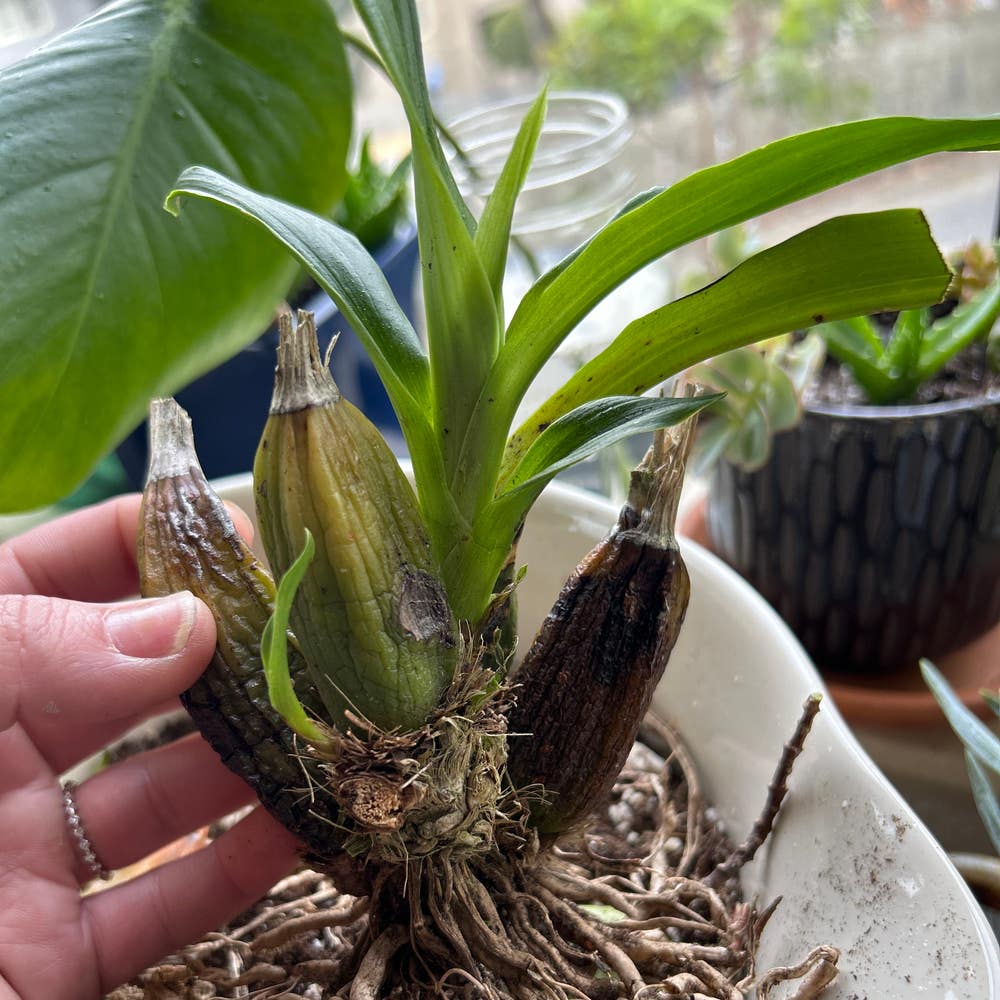
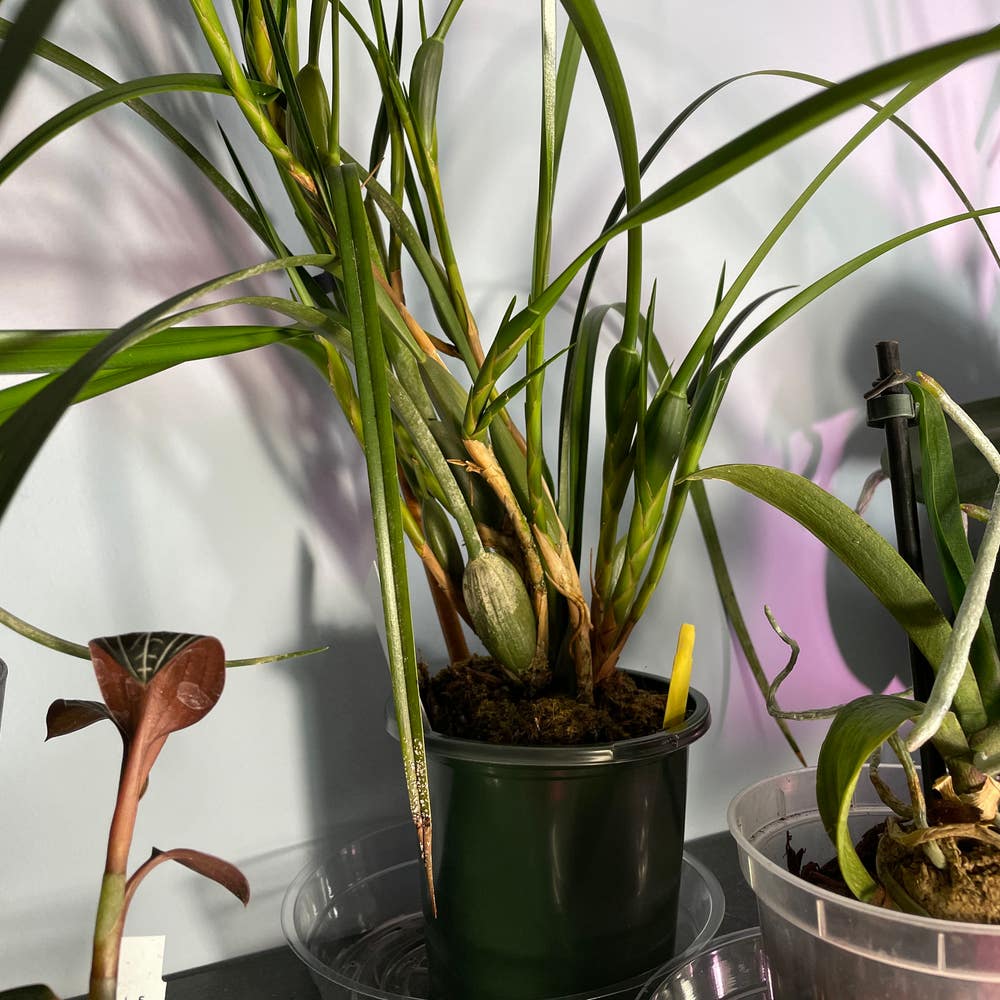
What to Do About Curling Leaves on Your Wild Coco
Eulophia alta
By the Greg Editorial Team
Jan 06, 2025•7 min read
This article was created with the help of AI so we can cover more plants for you. May contain errors. See one? Report it here.
- 🌱 Curling leaves in Wild Coco stem from stress, pests, or nutrient issues.
- 🌡️ Maintain 20°C to 30°C temperature and 60%-80% humidity for optimal health.
- 🐜 Inspect regularly for pests like aphids; use neem oil for organic control.
Causes of Leaf Curling
🌪️ Environmental Stressors
Temperature plays a crucial role in the health of your Wild Coco. The ideal temperature range is between 20°C to 30°C (68°F to 86°F). When temperatures stray from this range, you might notice symptoms like curling leaves and wilting.
Humidity is another key factor. Wild Coco thrives in humidity levels of 60% to 80%. If the humidity drops too low, you may see leaf curling and browning edges, indicating your plant is struggling.
🥦 Nutrient Deficiencies
Nutrient deficiencies can also lead to curling leaves. A nitrogen deficiency often manifests as yellowing leaves, stunted growth, and curling. This nutrient is vital for healthy foliage.
Potassium deficiency is another culprit. Symptoms include leaf curling, browning leaf tips, and reduced vigor. Ensuring your plant receives adequate nutrients is essential for its overall health.
🐛 Pest Infestations
Pests can wreak havoc on your Wild Coco. Common pests include aphids, which leave behind a sticky residue and cause curled leaves. Spider mites are another concern, identifiable by fine webbing and stippled leaves.
Regular inspections are crucial to catch these infestations early. Look for visual cues like curled leaves and webbing to determine if your plant needs immediate attention.
🍄 Fungal Infections
Fungal infections, such as powdery mildew, can also lead to leaf curling. This infection presents as white powdery spots on leaves, along with curling and distortion. Keeping an eye out for these symptoms can help you address the issue before it escalates.
Understanding these causes is the first step in treating and preventing leaf curling. Now that you know what to look for, let’s move on to diagnosing the problem effectively.
Diagnosing the Problem
🌍 Assessing Environmental Conditions
Checking Humidity and Temperature
To effectively diagnose curling leaves on your Wild Coco, start by assessing the environmental conditions. Use a hygrometer to check humidity levels and a thermometer for temperature readings.
Aim to maintain humidity above 60% and keep temperatures between 20°C to 30°C (68°F to 86°F). If conditions stray from this range, your plant may exhibit signs of stress, including curling leaves.
Evaluating Light Exposure
Next, evaluate the light exposure your Wild Coco receives. The optimal light for healthy growth is bright, indirect sunlight.
If you notice elongated stems, pale leaves, or curling, these may indicate inadequate light. Adjusting the light conditions can significantly improve your plant's health.
🐛 Inspecting for Pests
Common Pests Affecting Wild Coco
Pest infestations can also lead to curling leaves. Common culprits include aphids and spider mites, both of which can severely impact leaf health.
Aphids leave behind a sticky residue, while spider mites create fine webbing on the leaves. Identifying these pests early is crucial for effective treatment.
Signs of Infestation
Look for visual cues that indicate a pest problem. Curled leaves, webbing, and sticky residue are all signs of infestation.
Regularly inspect the undersides of leaves and stems to catch any issues early. This proactive approach can save your plant from further damage.
🌱 Analyzing Soil Health
Soil Moisture Levels
Soil health plays a significant role in your Wild Coco's well-being. Ideal moisture levels should be consistently moist but not waterlogged.
Use a soil moisture meter or perform a finger test to check the moisture content. Adjust your watering practices accordingly to maintain optimal soil conditions.
Nutrient Content Testing
Finally, assess the nutrient content of your soil. Soil testing kits can help you evaluate nitrogen and potassium levels.
Balanced soil nutrients are essential for preventing leaf curl. Regular testing ensures your plant receives the necessary nutrients for healthy growth.
By diagnosing these key areas, you can effectively address the curling leaves on your Wild Coco and promote a thriving plant. Next, let’s explore how to treat these curling leaves and restore your plant's health.
Treating Curling Leaves
🌊 Immediate Actions to Take
Adjusting Watering Practices
To combat curling leaves, start by adjusting your watering routine. Water your Wild Coco when the top inch of soil feels dry, ensuring the roots receive adequate moisture without becoming waterlogged.
Deep watering is essential; it encourages roots to grow deeper and stronger. This method helps the plant access moisture more effectively, promoting overall health.
Modifying Environmental Conditions
Next, focus on the environmental conditions surrounding your plant. Increasing humidity is crucial; consider using a humidifier or placing pebble trays filled with water near your Wild Coco.
Additionally, adjust the temperature by moving the plant away from drafts or heat sources. Maintaining a stable environment helps prevent further stress on your plant.
🐛 Pest Control Methods
Organic and Chemical Treatments
If pests are the culprit, you have options for treatment. Organic solutions like neem oil or insecticidal soap can effectively manage infestations without harsh chemicals.
For severe cases, systemic insecticides may be necessary. These treatments work from within the plant, providing long-lasting protection against pests.
Preventative Measures
Prevention is key to keeping your Wild Coco healthy. Regular monitoring is essential; conduct weekly checks for pests to catch any issues early.
Consider companion planting as a strategy to deter pests naturally. Certain plants can repel unwanted insects, creating a healthier environment for your Wild Coco.
🌱 Nutrient Supplementation
Recommended Fertilizers
Nutrient deficiencies can also lead to curling leaves. Use balanced NPK fertilizers, such as a 10-10-10 ratio, to provide essential nutrients.
Timing is important; fertilize every 4-6 weeks during the growing season to support robust growth and prevent deficiencies.
Application Methods
When applying fertilizers, consider the method that works best for you. Granular fertilizers are easy to use but take longer to release nutrients, while liquid fertilizers provide a quick boost.
Regardless of the type, evenly distribute the fertilizer around the base of the plant. This ensures that nutrients reach the roots effectively, promoting healthy growth.
By addressing watering practices, environmental conditions, pest control, and nutrient supplementation, you can effectively treat curling leaves on your Wild Coco. With these steps, your plant will be on the path to recovery and thriving once again.
Preventing Future Curling Leaves
🌱 Best Practices for Wild Coco Care
Maintaining ideal growing conditions is crucial for the health of your Wild Coco. Aim for sandy, well-drained soils enriched with organic matter to promote robust growth.
Light is another key factor. Provide bright, indirect sunlight to ensure your plant thrives and avoids stress that can lead to curling leaves.
🔍 Regular Monitoring and Maintenance
Regular checks are essential for keeping your Wild Coco in top shape. Inspect for pests, moisture levels, and overall leaf health at least once a week.
Seasonal adjustments can make a significant difference. Be prepared to modify your care routine based on the changing seasons to support your plant's needs.
🍂 Seasonal Care Tips
Adjusting care based on growth cycles is vital for your Wild Coco's success. In spring, increase watering and fertilization as your plant begins to grow more actively.
As fall and winter approach, reduce watering and protect your plant from cold drafts. This helps prevent stress that can lead to curling leaves.
🌡️ Preparing for Seasonal Changes
Anticipate temperature fluctuations during seasonal transitions. If necessary, move your Wild Coco indoors to shield it from extreme conditions.
Humidity management is also important, especially during dry winter months. Increasing humidity can help keep your plant healthy and vibrant.
By following these best practices and seasonal tips, you can effectively prevent curling leaves and ensure your Wild Coco remains a thriving part of your indoor garden. Next, let’s explore how to diagnose the problem when you notice those pesky curled leaves.
⚠️ Safety First
This content is for general information and may contain errors, omissions, or outdated details. It is not medical, veterinary advice, or an endorsement of therapeutic claims.
Always consult a qualified healthcare professional before using any plant as food, medicine, or supplement.
Never eat any plant (or feed one to pets) without confirming its identity with at least two trusted sources.
If you suspect poisoning, call Poison Control (800) 222-1222, the Pet Poison Helpline (800) 213-6680, or your local emergency service immediately.
Spotted an error? Please report it here.
Keep your Wild Coco curl-free 🌱 by using Greg's tailored care reminders and watering plans to tackle environmental stressors and nutrient needs effectively!