Signs Your Wild Coco Has Root Rot and How to Fix It 🩹
Eulophia alta
By the Greg Editorial Team
Jan 06, 2025•5 min read
This article was created with the help of AI so we can cover more plants for you. May contain errors. See one? Report it here.
- 🌱 Yellowing leaves and wilting are key signs of root rot in Wild Coco plants.
- 🧪 Inspect roots for color; healthy roots are white, while brown indicates rot.
- 🚫 Prevent root rot by ensuring proper drainage and a consistent watering schedule.
Identifying Signs of Root Rot
Visual Symptoms 🌿
One of the first signs of root rot in your Wild Coco is yellowing leaves. This often indicates distress and nutrient deficiency, signaling that your plant is struggling.
Another common symptom is wilting. If your plant's leaves are drooping despite adequate watering, it may be a sign that the roots are not functioning properly.
Lastly, keep an eye out for leaf drop. Premature shedding of leaves can occur as a stress response, indicating that your plant is in trouble.
Root Examination 🔍
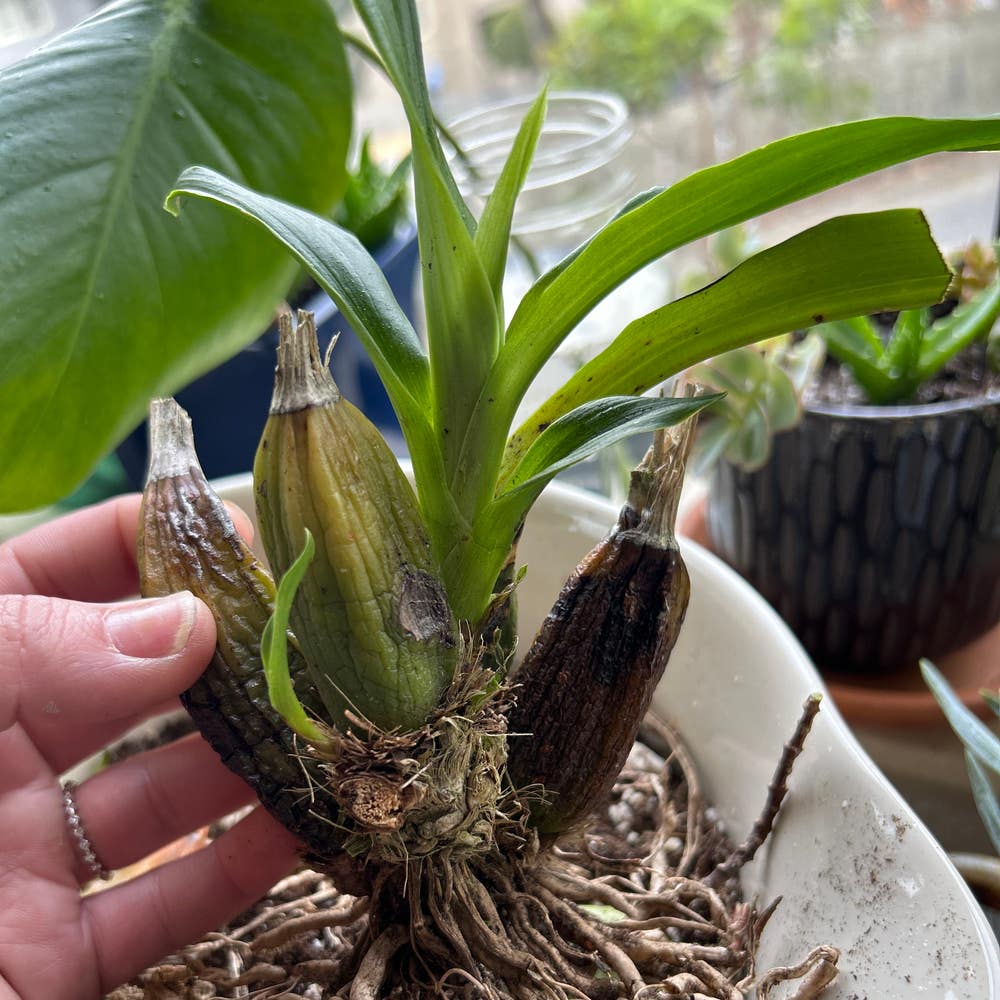
To confirm root rot, a root examination is essential. Healthy roots should be white or light tan; if you notice brown or black roots, it’s a clear indication of rot.
Additionally, consider the texture of the roots. Healthy roots feel firm, while mushy or slimy roots suggest decay and require immediate attention.
Soil Condition Indicators 🏺
The condition of the soil can also provide clues about root rot. A foul odor from the soil often indicates anaerobic conditions, which are detrimental to root health.
Moreover, if you find that the soil remains consistently soggy despite reducing your watering schedule, this is another strong indicator that root rot may be present.
Identifying these signs early can make a significant difference in your plant's recovery. Next, let’s explore how to treat root rot effectively.
Treating Root Rot
🕵️♂️ Step-by-Step Guide to Diagnosing Root Rot
Diagnosing root rot starts with a simple inspection of your Wild Coco's leaves. Look for yellowing or wilting, which are clear signs of distress.
Next, check the soil moisture levels. You can use a moisture meter or simply stick your finger into the soil to gauge its dampness.
Finally, remove the plant from its pot for a thorough root examination. This step is crucial to assess the health of the roots.
✂️ How to Remove Affected Roots
Once you've identified root rot, it's time to take action. Gently wash the soil off the roots to get a clear view of any damage.
Use sterilized scissors to cut away any brown or mushy roots. This helps prevent the spread of rot to healthy parts of the plant.
Don't forget to disinfect your tools afterward. This step is essential to avoid introducing pathogens to other plants.
💊 Recommended Treatments
After removing the affected roots, consider applying fungicides. These can effectively combat fungal infections that cause root rot.
If you prefer natural remedies, options like cinnamon or hydrogen peroxide can serve as antifungal agents. Both are gentle yet effective in promoting recovery.
🌱 Re-potting Techniques for Recovery
Re-potting is a critical step in your plant's recovery journey. Start by choosing a well-draining potting mix, such as sandy or cactus mix.
Select a pot with drainage holes to facilitate water escape. This will help prevent future moisture buildup.
When re-potting your Wild Coco, ensure the roots are spread out and not crowded. This allows for better air circulation and promotes healthy growth.
By following these steps, you can effectively treat root rot and help your Wild Coco thrive once again. Next, let’s explore how to prevent root rot from occurring in the first place.
Preventing Root Rot
Best Practices for Watering Wild Coco 🌊
To keep your Wild Coco thriving, establish a consistent watering schedule. Allow the top inch of soil to dry out before watering again to prevent sogginess.
When you do water, make sure to do it thoroughly. This means soaking the soil but ensuring that the plant doesn't sit in water afterward, which can lead to root rot.
Importance of Soil Drainage and Aeration 🕳️
Soil drainage is crucial for preventing root rot. Incorporating materials like perlite or sand into your potting mix can significantly enhance drainage.
Additionally, regularly check the drainage holes in your pot. Blockages can trap excess water, creating an environment ripe for rot.
Choosing the Right Potting Mix 🪴
Selecting the right potting mix is essential for your plant's health. A blend of potting soil, perlite, and sand is recommended for optimal drainage.
Avoid heavy soils that retain moisture, as they can suffocate your plant's roots and lead to decay.
Seasonal Care Adjustments to Prevent Overwatering 🌦️
Adjust your watering frequency based on the seasons. During winter, for instance, your Wild Coco will require less water due to lower evaporation rates.
Keep an eye on environmental changes, such as humidity and temperature, that can affect soil moisture levels. This proactive approach will help you avoid overwatering and keep your plant healthy.
By following these preventive measures, you can significantly reduce the risk of root rot and ensure your Wild Coco remains vibrant and flourishing. Next, let’s explore how to monitor your plant's health post-treatment to ensure it continues to thrive.
Monitoring Plant Health Post-Treatment
🌱 Signs of Recovery in Wild Coco
After addressing root rot, keep an eye out for signs of recovery. New growth, such as fresh leaves, is a positive indicator that your Wild Coco is bouncing back.
Improved leaf color is another encouraging sign. As the plant regains its health, you should notice a return to vibrant green hues, signaling that it's thriving once again.
🛠️ Ongoing Care Tips to Maintain Plant Health
To support your plant's recovery, regularly check soil moisture levels. Adjust your watering routine based on these readings to ensure your Wild Coco doesn't face another bout of root rot.
Fertilizing with a balanced fertilizer during the growing season can also help. This provides essential nutrients that promote healthy growth and recovery.
📞 When to Seek Professional Help
If you notice persistent symptoms despite your treatment efforts, it may be time to consult a professional. Continued yellowing or wilting can indicate deeper issues that need expert attention.
Additionally, if more than 50% of the roots are damaged, seeking help is advisable. A plant specialist can provide guidance tailored to your Wild Coco's specific needs, ensuring it gets the best chance for recovery.
With these strategies, you can nurture your Wild Coco back to health and enjoy its beauty for years to come.
⚠️ Safety First
This content is for general information and may contain errors, omissions, or outdated details. It is not medical, veterinary advice, or an endorsement of therapeutic claims.
Always consult a qualified healthcare professional before using any plant as food, medicine, or supplement.
Never eat any plant (or feed one to pets) without confirming its identity with at least two trusted sources.
If you suspect poisoning, call Poison Control (800) 222-1222, the Pet Poison Helpline (800) 213-6680, or your local emergency service immediately.
Spotted an error? Please report it here.
Spotting root rot early is key to saving your Wild Coco, and with Greg's tailored watering alerts and expert advice, you'll ensure your plant stays healthy and thriving 🌿!