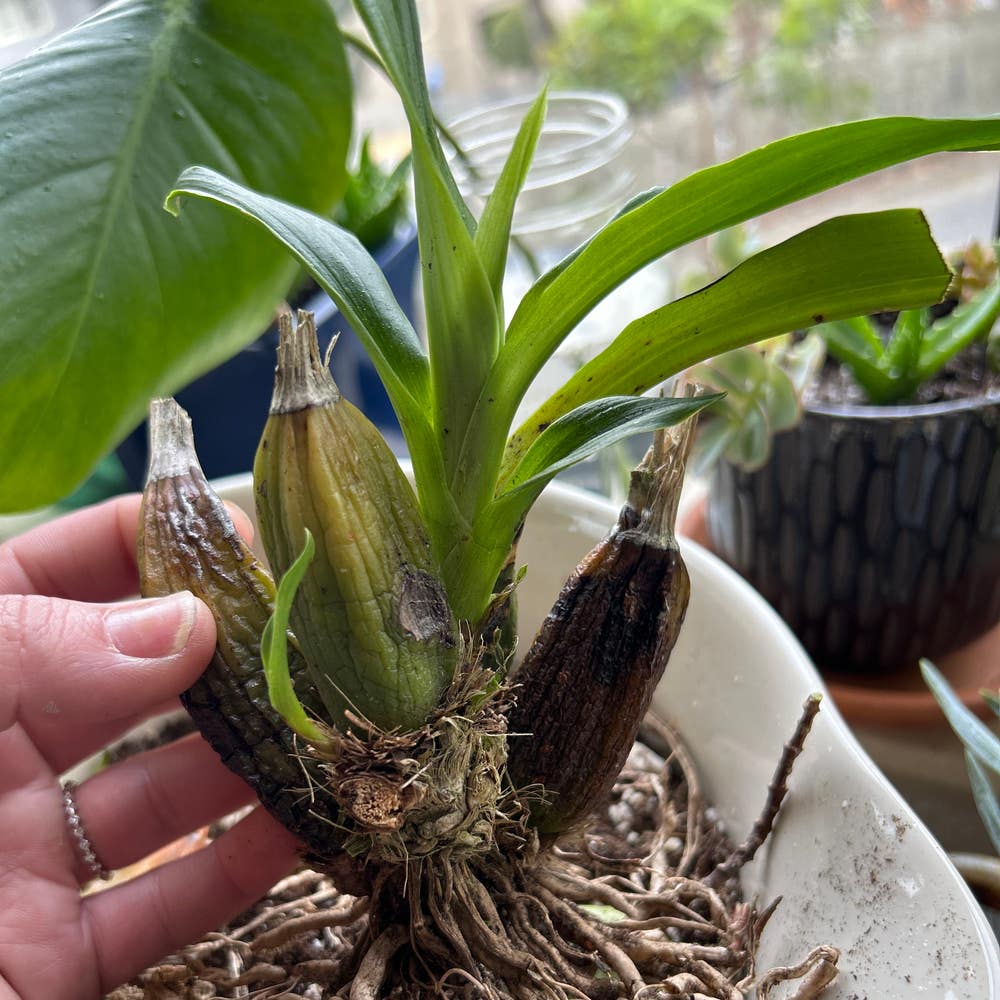
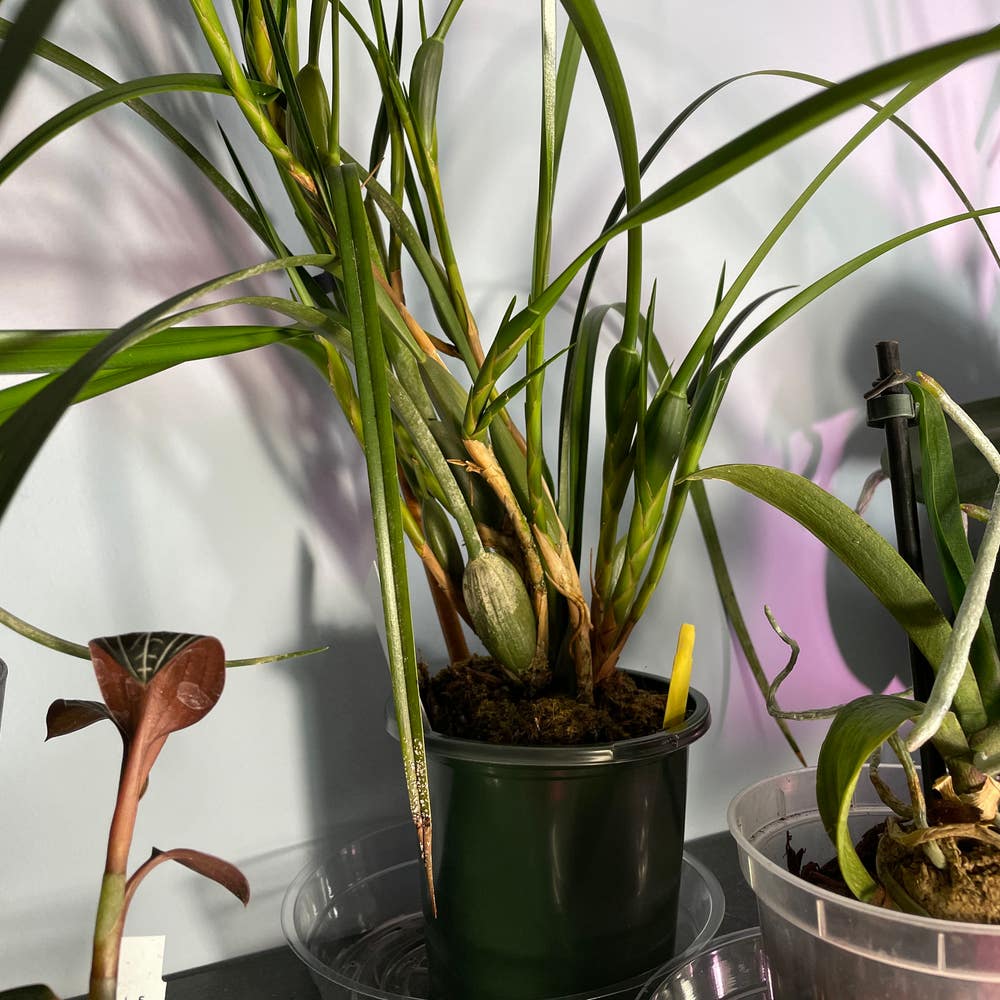
5 Ideal Locations to Plant Wild Coco 🥥
Eulophia alta
By the Greg Editorial Team
Jan 06, 2025•5 min read
This article was created with the help of AI so we can cover more plants for you. May contain errors. See one? Report it here.
- ☀️ Wild Coco thrives in 6-8 hours of sunlight; south-facing spots are best.
- 🌱 Well-drained, slightly acidic soil (pH 6.0-7.0) is crucial for healthy growth.
- 🌬️ Wind protection and proper spacing enhance Wild Coco's growth and prevent overcrowding.
Sunlight Exposure Requirements
Ideal Sunlight Conditions 🌞
Wild Coco thrives in full sun, requiring 6 to 8 hours of direct sunlight each day. In hotter climates, it can tolerate partial shade, benefiting from up to 4 hours of direct sunlight.
Assessing Sun Exposure in Different Locations 🧭
Evaluating your garden's orientation is crucial. North-facing areas typically receive less sunlight compared to south-facing spots, which bask in the sun's warmth.
Identifying shaded areas is equally important. Look out for trees, buildings, and other structures that might block sunlight.
Understanding sun exposure is vital for the growth and fruit production of Wild Coco. Proper sunlight ensures robust plants and bountiful yields, making it a key factor in your planting strategy.
As you plan your garden, consider these sunlight requirements to create the ideal environment for your Wild Coco. Next, we’ll explore the soil type preferences that will further enhance your planting success.
Soil Type Preferences
Best Soil Conditions 🌱
For Wild Coco to thrive, it needs sandy, well-drained soils. This type of soil is crucial for preventing root rot, which can be detrimental to plant health.
Additionally, the soil pH should be slightly acidic to neutral, ideally ranging from 6.0 to 7.0. This pH level supports optimal nutrient availability for the plant.
Soil Assessment Techniques 🧪
Conducting a soil test is essential for understanding your garden's conditions. This test checks for drainage capabilities and nutrient levels, ensuring your Wild Coco has the best possible environment.
If your soil falls short, amending it by adding organic matter can significantly improve both fertility and drainage. This simple step can make a world of difference in plant growth.
Drainage Considerations 🚰
Proper drainage is vital for preventing waterlogging and root diseases. Without it, your Wild Coco may struggle to survive, leading to disappointing results.
To enhance drainage, consider techniques like raised beds, mounding, and incorporating soil amendments. These strategies can create a healthier growing environment for your plants.
In summary, focusing on the right soil type and ensuring proper drainage will set the stage for successful Wild Coco cultivation. Next, let’s explore how to position your plants in relation to others and structures for optimal growth.
Proximity to Other Plants or Structures
🌱 Companion Planting
When planting Wild Coco, consider its companions. Plants like basil, marigold, and sweet potatoes thrive alongside Wild Coco, enhancing growth and flavor.
Companion planting offers several benefits. It can naturally deter pests, improve growth rates, and create a visually appealing garden.
🏡 Landscape Design Considerations
Placement is crucial for Wild Coco's success. Ensure it has enough space from structures to avoid overcrowding and promote air circulation.
Designing your garden layout thoughtfully can create a harmonious landscape. Position Wild Coco as a focal point, allowing it to shine while complementing surrounding plants.
By considering these factors, you can cultivate a thriving garden that showcases the beauty and benefits of Wild Coco. Next, let’s explore how microclimates and environmental factors can further enhance your planting strategy.
Microclimates and Environmental Factors
🌤️ Understanding Microclimates
Microclimates are localized variations in climate that can significantly impact plant growth. In your garden, look for sun traps, sheltered spots, and windbreaks that create unique growing conditions for your Wild Coco.
🔍 Identifying Microclimates in Your Garden
To identify microclimates, observe how sunlight and shade shift throughout the day. Areas near walls or large trees may retain heat or moisture, creating ideal conditions for your plants.
🌬️ Wind Protection Strategies
Wind can be a formidable foe for Wild Coco, causing physical damage and stress. Implementing wind protection is crucial for maintaining healthy plants.
🛡️ Effective Windbreak Options
Consider using hedges, fences, or strategically placed plants to create effective windbreaks. These barriers can shield your Wild Coco from harsh winds, promoting better growth.
🍂 Seasonal Changes and Their Impact
Seasonal changes can dramatically affect microclimates, influencing temperature and sunlight availability. Understanding these fluctuations helps you make informed decisions about planting locations.
🔄 Adjusting Planting Locations Based on Seasonal Conditions
As seasons change, be ready to adjust your planting strategy. For instance, if a spot receives less sunlight in winter, consider relocating your Wild Coco to a sunnier area during that time.
By paying attention to microclimates and environmental factors, you can create a thriving habitat for your Wild Coco. Next, we’ll explore effective site selection techniques to ensure your plants flourish.
Site Selection Techniques
Evaluating Potential Planting Sites 🌱
Choosing the right location for your Wild Coco is crucial for its success. Key factors to consider include sun exposure, soil conditions, and proximity to other plants.
To effectively evaluate these factors, utilize tools like soil test kits and light meters. These instruments help you gather precise data, ensuring your Wild Coco thrives in its new home.
Importance of Sun Exposure and Soil Condition Assessment ☀️
Assessing sun exposure is vital for optimal growth. Methods such as shadow mapping and careful observation can help you determine how much sunlight your chosen site receives throughout the day.
Equally important is evaluating soil conditions. Techniques like texture tests and drainage assessments will provide insights into the soil's health, allowing you to make necessary amendments for your Wild Coco's benefit.
Final Thoughts on Site Selection 💭
Taking the time to evaluate potential planting sites will pay off in the long run. By ensuring your Wild Coco has the right sun exposure and soil conditions, you set the stage for a flourishing plant that can produce abundant fruit.
Next, let’s explore how microclimates and environmental factors can further influence your planting decisions.
⚠️ Safety First
This content is for general information and may contain errors, omissions, or outdated details. It is not medical, veterinary advice, or an endorsement of therapeutic claims.
Always consult a qualified healthcare professional before using any plant as food, medicine, or supplement.
Never eat any plant (or feed one to pets) without confirming its identity with at least two trusted sources.
If you suspect poisoning, call Poison Control (800) 222-1222, the Pet Poison Helpline (800) 213-6680, or your local emergency service immediately.
Spotted an error? Please report it here.
Maximize your Wild Coco harvest by choosing the perfect spot with Greg's tailored tips 🌞 that guide you on sunlight, soil, and companion planting for ultimate success!