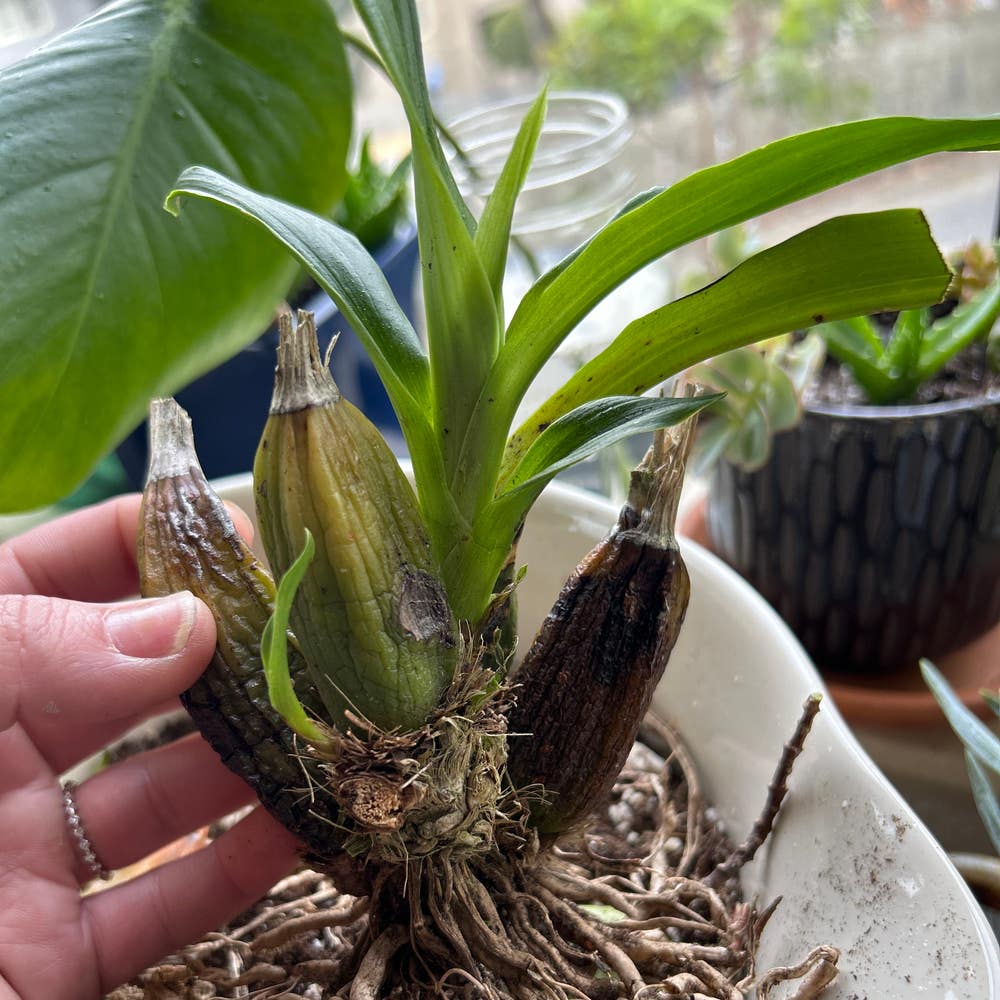
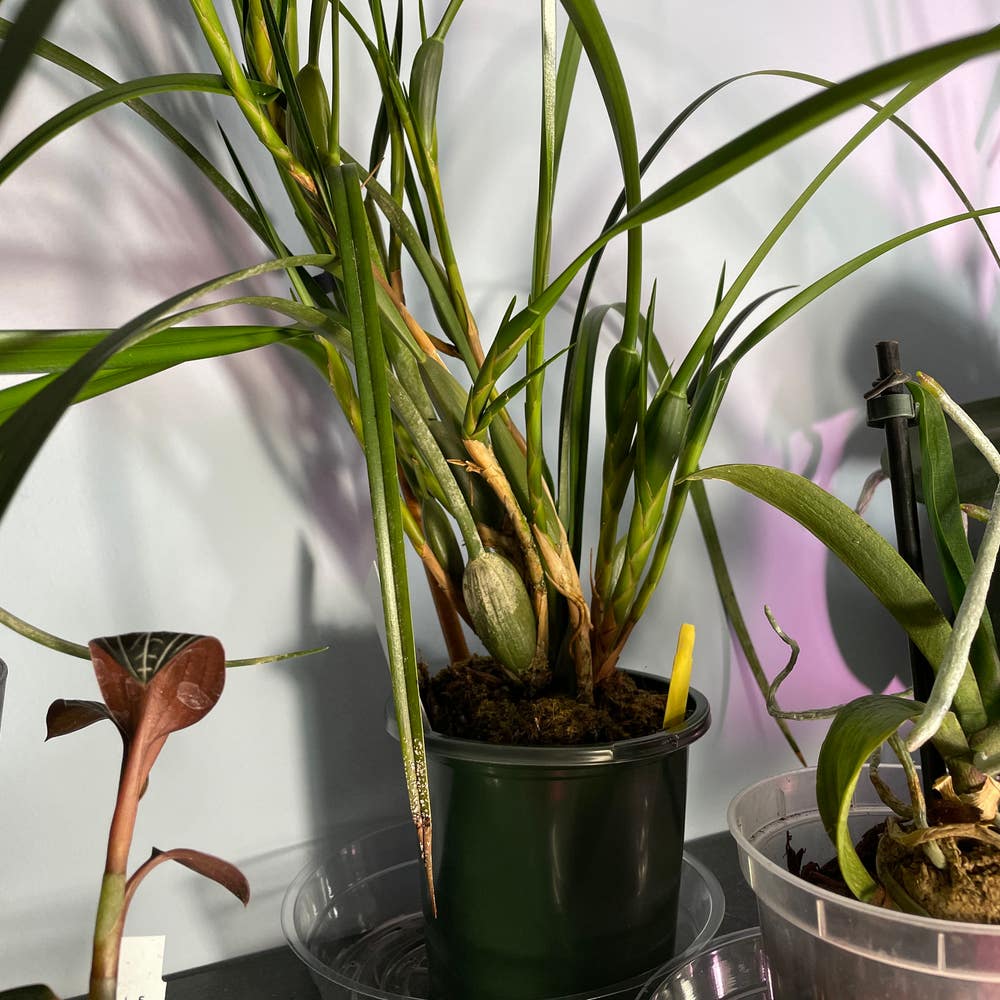
Best Tips for Blooming Wild Coco 🌸
Eulophia alta
By the Greg Editorial Team
Jan 06, 2025•4 min read
This article was created with the help of AI so we can cover more plants for you. May contain errors. See one? Report it here.
- 🌿 Wild Coco thrives on stunning foliage, rarely blooming but captivating with its leaves.
- 🌞 Encourage blooming by providing bright, indirect sunlight and balanced fertilizer.
- 🌱 Consistent moisture is key; avoid waterlogging for optimal plant health.
Flowering Status
Wild Coco is primarily a non-flowering plant, celebrated for its stunning ornamental leaves rather than any blooms. This unique characteristic makes it a favorite among plant enthusiasts who appreciate lush foliage.
🌱 Reasons for Non-Flowering
The reasons behind Wild Coco's lack of flowers are fascinating. It has adapted its reproductive strategies to thrive without the need for flowering, focusing instead on its vibrant leaves.
🌿 Varietal Differences
While there are various Wild Coco varieties, they generally share a common trait: an emphasis on foliage over flowers. Each variety may exhibit slight differences, but the allure of their leaves remains the primary draw for growers and gardeners alike.
In summary, Wild Coco's non-flowering nature is a testament to its adaptability and beauty. This focus on foliage not only enhances its ornamental value but also simplifies care for those who cultivate it.
Next, let’s explore what happens if Wild Coco does flower, including the characteristics and blooming process.
If Wild Coco Flowers
🌼 Flower Characteristics
Wild Coco flowers are typically greenish-white or pale yellow, though they are often quite subtle. The structure consists of small, inconspicuous flower spikes that may go unnoticed among the lush foliage.
Self-pollination is possible, but many cultivated varieties require external pollination to produce flowers. Flowering is rare in these cultivated types, making it a special event when it occurs.
🌸 Blooming Process
The blooming process involves several stages: bud formation, blooming, and post-bloom. If Wild Coco does flower, expect blooms to appear from late spring to early summer.
From bud formation to full bloom, the process takes about 4-6 weeks. Once flowers bloom, they typically last for 1-2 weeks before wilting.
🌱 Encouraging Blooms
To encourage Wild Coco to bloom, provide bright, indirect sunlight. This plant thrives on a balanced fertilizer during the growing season to support its growth.
Watering is crucial; maintain consistent moisture without waterlogging the soil. Environmental factors like temperature, humidity, and soil quality also play a significant role in flowering.
🌿 Post-Flowering
After flowering, the plant focuses on recovery and energy allocation. It uses the nutrients gained during blooming to continue thriving.
Rest assured, Wild Coco does not die after flowering; it remains a vibrant part of your plant collection.
🐝 Pollination
If flowering occurs, Wild Coco can utilize various pollination methods. Insects and wind may play roles in this process, helping to facilitate reproduction.
Understanding these methods can enhance your appreciation for this unique plant and its flowering potential.
If Wild Coco Doesn't Flower
🌿 Primary Ornamental Features
Wild Coco is celebrated for its lush foliage, which serves as the plant's primary ornamental feature. The leaves are typically large, glossy, and come in various shapes and shades, ranging from deep green to vibrant variegated patterns.
These striking leaves not only enhance the aesthetic appeal of any space but also contribute to air purification. Their ability to filter toxins makes them a popular choice for indoor environments and landscaping alike.
🌱 Reproduction Without Flowers
While Wild Coco may not produce flowers, it has developed effective methods for vegetative reproduction. This includes the growth of offsets and rhizomes, which allow the plant to spread and thrive without the need for blooms.
The foliage plays a crucial role in sustaining the plant's life cycle. Through photosynthesis, the leaves provide the energy necessary for growth and reproduction, ensuring that Wild Coco continues to flourish even in the absence of flowering.
In summary, the Wild Coco's beauty and resilience lie in its stunning leaves and unique reproductive strategies, making it a cherished addition to gardens and homes.
Unique Aspects
🌱 Adaptations for Survival
Wild Coco is a fascinating plant that thrives without the need for flowering. Its adaptations allow it to reproduce effectively through vegetative means, ensuring its survival in various environments.
💪 Resilience in Various Conditions
This plant showcases unique survival strategies, such as developing offsets and rhizomes. These methods enable it to spread and flourish even in challenging conditions, making it a resilient choice for gardeners.
🎨 Cultural Significance
Wild Coco holds cultural significance in landscaping and traditional practices. Its lush foliage not only enhances aesthetic appeal but also serves practical purposes, such as air purification.
🤓 Fun Facts About Wild Coco
Did you know that Wild Coco can adapt to a range of light and moisture conditions? This flexibility makes it a popular choice for indoor and outdoor spaces alike.
🍃 The Beauty of Foliage
While it may not produce vibrant flowers, the ornamental value of Wild Coco lies in its stunning leaves. The variety in size, shape, and color adds a rich texture to any garden or home.
📝 Conclusion
In summary, Wild Coco's unique characteristics and reproductive strategies make it an intriguing plant. Its ability to thrive without flowering, coupled with its ornamental appeal, ensures it remains a favorite among plant enthusiasts.
⚠️ Safety First
This content is for general information and may contain errors, omissions, or outdated details. It is not medical, veterinary advice, or an endorsement of therapeutic claims.
Always consult a qualified healthcare professional before using any plant as food, medicine, or supplement.
Never eat any plant (or feed one to pets) without confirming its identity with at least two trusted sources.
If you suspect poisoning, call Poison Control (800) 222-1222, the Pet Poison Helpline (800) 213-6680, or your local emergency service immediately.
Spotted an error? Please report it here.
Embrace the beauty of Wild Coco's vibrant foliage 🌿 and let Greg guide you with tailored care tips to help your plant thrive and bloom when the moment strikes!