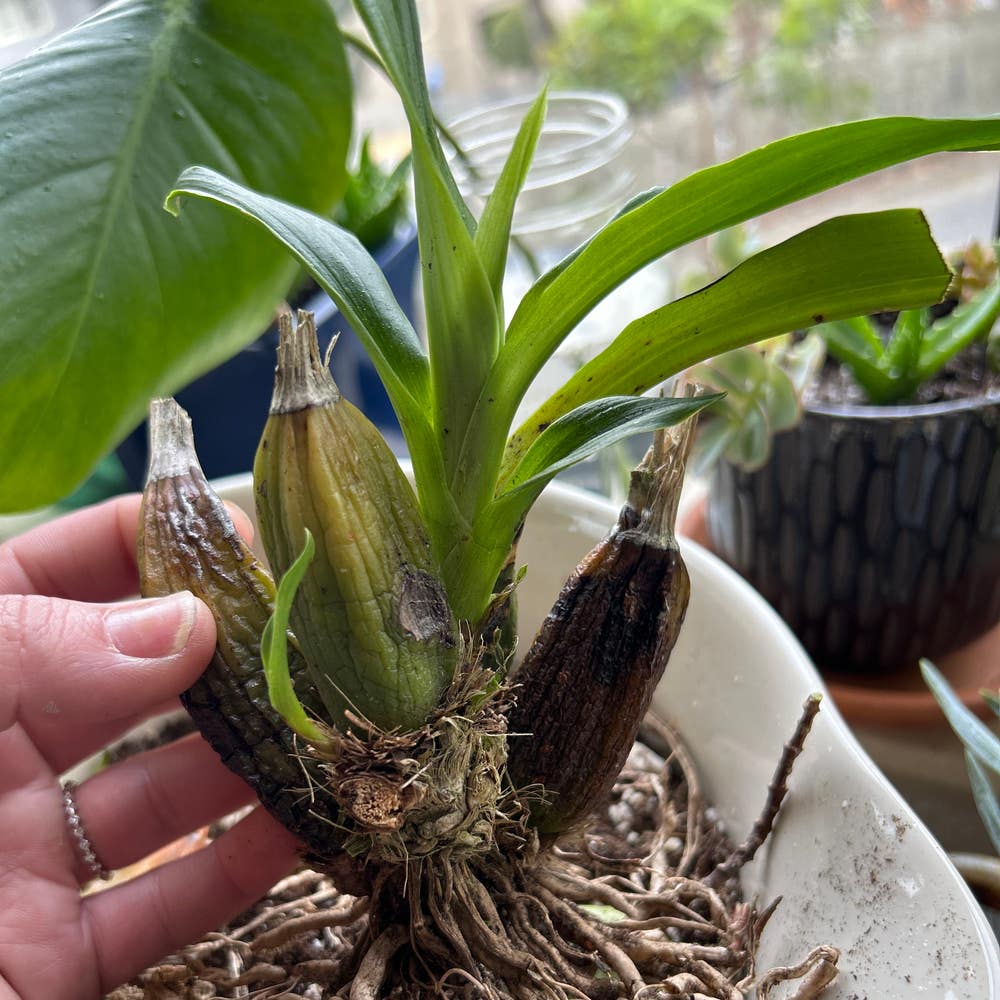
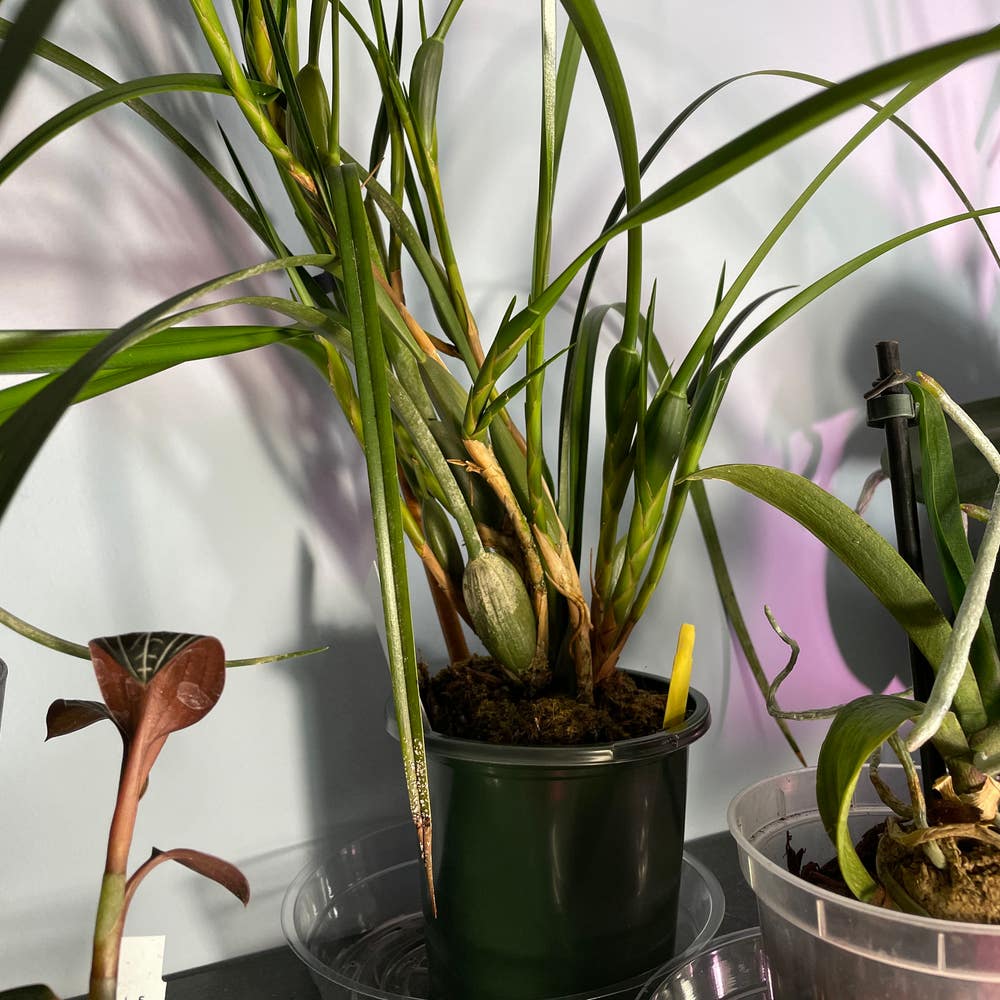
Best Climate for Wild Coco: Zones 9b-11b ☀️
Eulophia alta
By the Greg Editorial Team
Jan 06, 2025•5 min read
This article was created with the help of AI so we can cover more plants for you. May contain errors. See one? Report it here.
- 🌞 Wild Coco thrives in USDA Zones 9b-11b, ideal for its growth.
- ❄️ Temperatures below 30°F can damage Wild Coco, so protect it from frost.
- 🌊 High humidity and full sun are crucial for optimal Wild Coco health.
Wild Coco Temperature Tolerance
❄️ Cold Tolerance Specifics
Wild Coco can endure surprisingly low temperatures, with a minimum tolerance of 30°F (-1°C). However, it’s crucial to note that frost poses a significant threat; damage can occur at temperatures below 32°F (0°C), making frost tolerance essential for the plant's survival.
☀️ Heat Tolerance Specifics
On the warmer side, Wild Coco thrives best in temperatures ranging from 70°F to 90°F (21°C to 32°C). Prolonged exposure to heat can stress the plant, potentially impacting its growth and overall health.
🌡️ Impact of Temperature Extremes on Growth
Cold snaps can lead to visible damage on foliage and diminish the plant's vigor. Conversely, extreme heat can cause dehydration and stress, which may result in reduced growth rates and overall vitality.
Understanding these temperature tolerances is vital for anyone looking to cultivate Wild Coco successfully. With the right conditions, this plant can flourish beautifully in your garden.
Ideal Growing Regions
🌍 Examples of US States in Zones 9b-11b
Wild Coco thrives in specific regions of the United States, particularly in Zones 9b to 11b. States like Florida, California, Texas, and parts of Arizona provide the warm, humid conditions that this tropical plant loves.
In Florida, the coastal areas offer ideal temperatures and humidity levels. California's southern regions, especially near the coast, also create a perfect environment for Wild Coco. Texas has suitable areas along its southern coast, while Arizona boasts microclimates that can support this tropical beauty.
🌱 Factors Contributing to Ideal Growing Conditions
To ensure Wild Coco flourishes, certain environmental factors must be considered. First and foremost, the plant prefers well-draining, sandy soils that prevent waterlogging.
Humidity plays a crucial role as well; high humidity levels are beneficial for growth, making coastal areas particularly favorable. Lastly, Wild Coco thrives in full sun conditions, so ample sunlight exposure is essential for optimal growth.
Understanding these factors can help gardeners create the perfect environment for Wild Coco, ensuring a vibrant and healthy plant. With the right conditions, you can enjoy the lush beauty of this tropical gem in your own garden.
Microclimates and Their Effects
🌡️ How Microclimates Can Extend Growing Range
Microclimates are localized areas that experience different climatic conditions than the surrounding regions. They can provide warmer environments, crucial for plants like Wild Coco, especially in areas sheltered from wind, near bodies of water, or within urban heat islands.
Understanding these microclimates is essential for successful cultivation. By recognizing where these warmer pockets exist, gardeners can extend the growing range of Wild Coco beyond the typical climate zones.
🏖️ Examples of Microclimates in the US
Coastal regions are prime examples of beneficial microclimates. Areas along the Gulf of Mexico and the Pacific Coast enjoy milder temperatures and higher humidity, creating ideal conditions for Wild Coco.
Urban areas also contribute to warmer microclimates. Cities with heat-retaining structures can create environments that support the growth of tropical plants, making them unexpected havens for Wild Coco enthusiasts.
By leveraging the unique characteristics of microclimates, gardeners can enhance their chances of successfully growing Wild Coco, even in less-than-ideal conditions. Understanding these nuances can lead to thriving plants and fruitful harvests.
As we explore the ideal growing regions next, consider how these microclimates might influence your gardening strategies.
State-Level Suitability Analysis
🌴 List of US States Suitable for Wild Coco
Wild Coco thrives in specific regions of the United States, particularly in warmer climates.
Florida: With its ideal coastal conditions and consistently warm temperatures, Florida is a prime location for Wild Coco cultivation.
California: The coastal and southern regions of California provide the perfect climate for this tropical plant, ensuring it receives ample sunlight and warmth.
Texas: Areas along the coast and the southern parts of Texas offer suitable conditions for Wild Coco to flourish.
Arizona: Certain regions in Arizona benefit from unique microclimates that support the growth of tropical plants like Wild Coco.
🚫 List of US States Not Suitable and Reasons
Not all states can provide the necessary environment for Wild Coco to thrive.
Northern States: States like Maine and North Dakota experience temperatures that frequently drop below the cold tolerance threshold, making them unsuitable for Wild Coco.
Harsh Winter States: States such as Montana and Wyoming face prolonged frost periods and low temperatures, which significantly hinder the plant's survival chances.
🌦️ Discussion of Regional Climate Variations
Climate can vary significantly even within a single state.
Elevation and Proximity: Factors such as elevation, proximity to water, and urbanization can greatly affect plant viability. For instance, higher elevations may experience cooler temperatures, while areas near water bodies can create more humid conditions.
Local Climate Assessments: For gardeners considering Wild Coco, understanding local climate variations is crucial. Conducting a thorough climate assessment can help determine the best planting strategies and locations for successful growth.
As you explore the potential for growing Wild Coco, remember that local conditions play a vital role in your success. With the right knowledge and preparation, you can cultivate this beautiful plant in your garden.
⚠️ Safety First
This content is for general information and may contain errors, omissions, or outdated details. It is not medical, veterinary advice, or an endorsement of therapeutic claims.
Always consult a qualified healthcare professional before using any plant as food, medicine, or supplement.
Never eat any plant (or feed one to pets) without confirming its identity with at least two trusted sources.
If you suspect poisoning, call Poison Control (800) 222-1222, the Pet Poison Helpline (800) 213-6680, or your local emergency service immediately.
Spotted an error? Please report it here.
Cultivating Wild Coco in the perfect climate is a breeze 🌴 with Greg's tailored care tips and reminders to help you create the ideal environment for thriving growth!