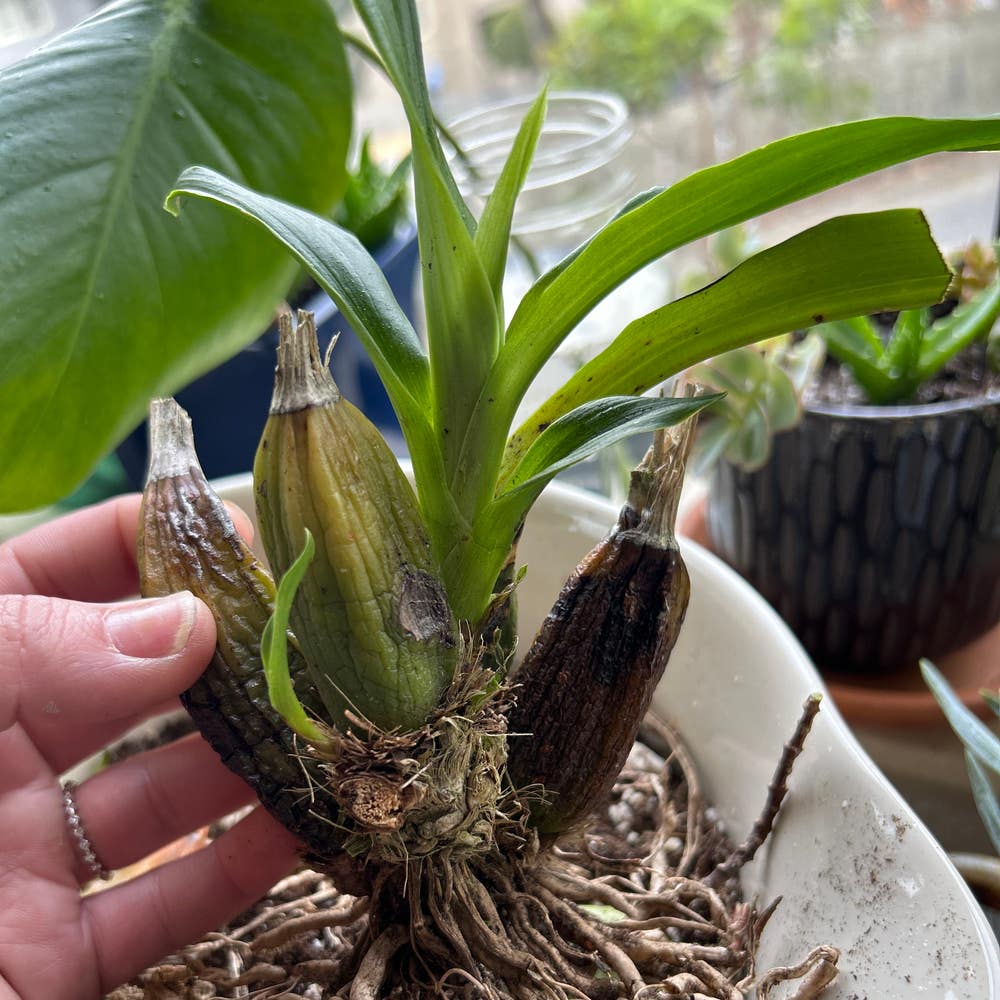
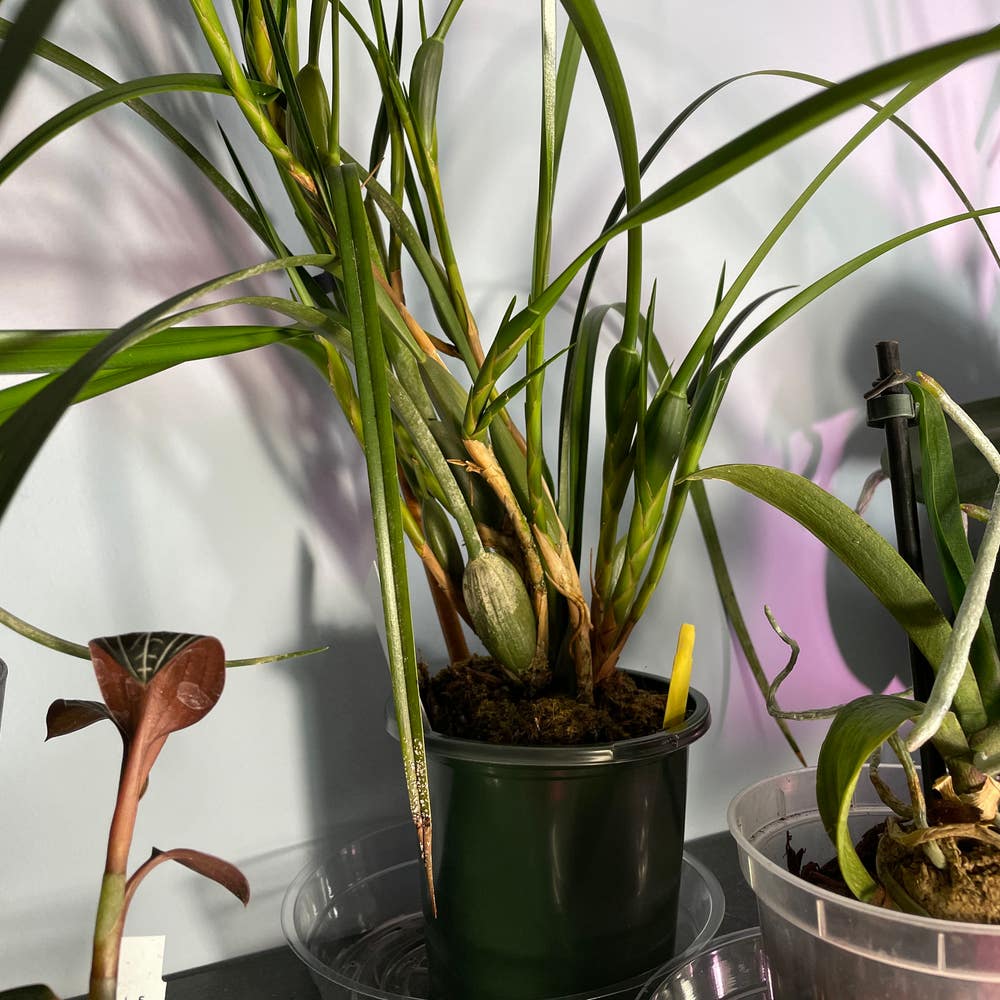
5 Tips for Pollinating Wild Coco 🐝
Eulophia alta
By the Greg Editorial Team
Jan 06, 2025•6 min read
This article was created with the help of AI so we can cover more plants for you. May contain errors. See one? Report it here.
- 🌼 Wild Coco flowers self-pollinate, ensuring fruit production even without pollinators.
- 🐝 Bees and butterflies are key pollinators, enhancing fruit quality and diversity.
- 🌱 Hand pollination is a reliable backup when natural pollinators are scarce.
Flower Structure
Description of Characteristics 🌼
Wild Coco flowers are strikingly beautiful, featuring large, tubular shapes that stand out in any garden. Their bright colors—often in shades of yellow, orange, or red—serve a crucial purpose: attracting pollinators.
The arrangement of these flowers is typically clustered, which enhances their visibility. This clustering not only makes them more appealing but also increases the chances of pollination by drawing in various pollinator species.
Role in Pollination 🐝
The anatomy of Wild Coco flowers is designed for self-pollination. The positioning of stamens and pistils allows pollen to transfer efficiently within the same flower, ensuring fruit and seed production even in the absence of external pollinators.
However, these flowers also facilitate cross-pollination. Their structure and vibrant colors attract specific pollinator species, which helps diversify genetic material and improve overall plant health. By drawing in bees, butterflies, and hummingbirds, Wild Coco flowers maximize their reproductive success.
Pollination Process
Self-Pollination Mechanisms 🌼
Wild Coco flowers have evolved to facilitate self-pollination effectively. Their unique structure allows the stamens and pistils to be positioned closely, enabling pollen transfer within the same flower.
This self-pollination mechanism ensures reliable fruit and seed production, especially in environments where pollinators may be scarce. It acts as a safety net, guaranteeing that the plant can reproduce even without external help.
Cross-Pollination 🌍
While self-pollination is beneficial, cross-pollination enhances genetic diversity. Several key pollinator species play a crucial role in this process:
Bees
Bees are the primary pollinators for Wild Coco, transferring pollen between flowers as they forage for nectar. Their diligent work significantly boosts fruit set and quality.
Butterflies
Butterflies are drawn to the vibrant colors of Wild Coco flowers. Their attraction to nectar-rich blooms aids in effective pollen transfer.
Moths
Moths contribute to nighttime pollination activities. They are particularly attracted to the fragrance of flowers that bloom after dusk.
Hummingbirds
Hummingbirds are captivated by the tubular shape of Wild Coco flowers. Their long beaks allow them to access nectar while inadvertently transferring pollen.
Attraction Mechanisms 🎨
Wild Coco employs various strategies to attract its pollinators. The use of bright colors and enticing fragrances plays a significant role in drawing in these essential species.
Additionally, the timing of flower blooms is crucial. By synchronizing blooming periods with pollinator activity, Wild Coco maximizes its chances of successful pollination. This strategic approach ensures that flowers are ready when pollinators are most active, creating a harmonious relationship between plant and pollinator.
With these mechanisms in place, Wild Coco thrives, showcasing the intricate dance of nature's pollination process. Next, we will explore hand pollination techniques for those times when nature needs a helping hand.
Hand Pollination Techniques
Hand pollination can be a rewarding way to ensure your Wild Coco plants thrive. Here’s a straightforward guide to help you navigate this process effectively.
Step 1: Identifying Male and Female Flower Parts 🌸
First, you'll need to distinguish between the male and female parts of the flower.
- Male: Look for the stamens, which are the structures that produce pollen.
- Female: The stigma is located at the center of the flower; this is where the pollen needs to land.
Step 2: Collecting Pollen 🌼
Once you've identified the male flower parts, it’s time to gather some pollen.
- Use a small brush or a cotton swab to gently collect pollen from the anthers. This step is crucial for successful pollination.
Step 3: Transferring Pollen 🔄
Now that you have the pollen, the next step is transferring it to the female flower.
- Carefully apply the collected pollen to the stigma of the female flower. Make sure to cover the stigma well for the best chance of fertilization.
Step 4: Ensuring Successful Fertilization ✅
After pollination, it’s essential to monitor the flowers.
- Keep an eye out for signs of fruit development. This indicates that your hand pollination efforts were successful!
Hand pollination can be a bit of a labor of love, but it’s a fantastic way to support your Wild Coco plants, especially when natural pollinators are scarce. Now that you know how to hand pollinate, let’s explore how to create a pollinator-friendly environment to support these vital creatures.
Supporting Pollinators
🌼 Creating a Pollinator-Friendly Environment
To support pollinators effectively, it's crucial to create a diverse environment filled with flowering plants. This diversity not only provides food sources but also ensures that pollinators have access to water and shelter.
Consider incorporating a variety of plants that bloom at different times throughout the year. This strategy guarantees that pollinators have a continuous supply of nectar and pollen, which is essential for their survival.
🌿 Suggested Companion Plants
Certain companion plants can significantly enhance your garden's appeal to beneficial pollinators. Here are a few excellent choices:
- Marigolds: These bright flowers are not just visually appealing; they attract bees, which are vital for pollination.
- Lantana: Known for its vibrant clusters, lantana draws in butterflies, adding both beauty and ecological value to your garden.
- Salvia: With its tubular flowers, salvia is a favorite among hummingbirds, providing them with a rich nectar source.
By planting these companions, you create a welcoming habitat for pollinators, ensuring they thrive in your garden.
Incorporating these elements not only supports pollinators but also enhances the overall health of your garden ecosystem. As we move forward, let’s explore the challenges pollinators face and how we can address them effectively.
Pollination Challenges
🌪️ Common Obstacles
Pollination can be significantly affected by environmental factors. Temperature fluctuations and humidity levels can disrupt the delicate balance needed for successful pollination, leading to reduced fruit and seed production.
Additionally, the decline in pollinator populations poses a serious challenge. Many species, including bees and butterflies, are facing threats from habitat loss and pesticide use, which can severely impact their ability to pollinate Wild Coco flowers.
🛠️ Solutions
To combat these challenges, implementing strategies to enhance pollinator habitats is crucial. Creating diverse gardens with a variety of flowering plants can provide essential resources for pollinators, helping to sustain their populations.
When natural pollination is insufficient, hand pollination serves as a reliable backup method. By manually transferring pollen, you can ensure that your Wild Coco plants still produce fruit, even in the face of declining pollinator numbers.
By understanding these challenges and solutions, you can play a vital role in supporting the pollination process and fostering a thriving ecosystem.
⚠️ Safety First
This content is for general information and may contain errors, omissions, or outdated details. It is not medical, veterinary advice, or an endorsement of therapeutic claims.
Always consult a qualified healthcare professional before using any plant as food, medicine, or supplement.
Never eat any plant (or feed one to pets) without confirming its identity with at least two trusted sources.
If you suspect poisoning, call Poison Control (800) 222-1222, the Pet Poison Helpline (800) 213-6680, or your local emergency service immediately.
Spotted an error? Please report it here.
Pollinating Wild Coco is thrilling 🌼 when you use Greg's tailored reminders and tips to create a vibrant, pollinator-friendly garden that ensures a fruitful harvest!