🌼 Wild Coco Is a Garden Plant, Not a Weed
Eulophia alta
By the Greg Editorial Team
Jan 06, 2025•5 min read
This article was created with the help of AI so we can cover more plants for you. May contain errors. See one? Report it here.
- 🌱 Wild Coco is non-invasive, promoting biodiversity and safe for gardens.
- 🌼 Attracts pollinators with vibrant summer flowers, enhancing ecological value.
- 🌞 Thrives in various conditions, making it a versatile choice for diverse landscapes.
Plant Classification
Invasive Species Definition 🌱
Invasive species are plants that exhibit rapid growth and spread beyond their intended areas. They often displace native flora and fauna, leading to negative impacts on local ecosystems.
Wild Coco Characteristics 🌿
Wild Coco stands out for its non-invasive nature. It has a moderate growth rate, which allows for controlled cultivation without overwhelming your garden.
Its limited spread potential means it won't dominate your garden spaces. Unlike invasive plants, Wild Coco does not aggressively outcompete native species or disrupt local ecosystems.
This makes it a fantastic choice for gardeners who want to maintain biodiversity while enjoying the beauty of their plants. Embracing Wild Coco can enhance your garden without the worry of it becoming a nuisance.
Growth Habits
🌱 Typical Growth Patterns
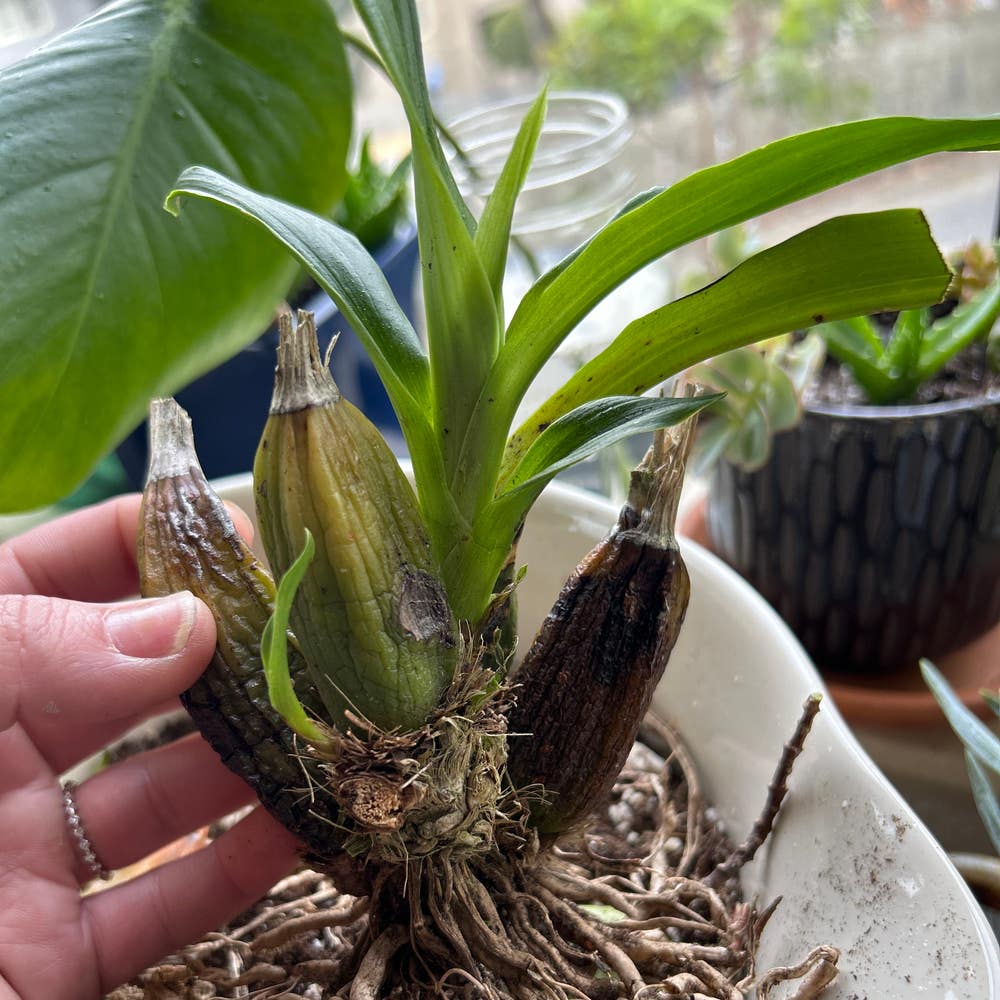
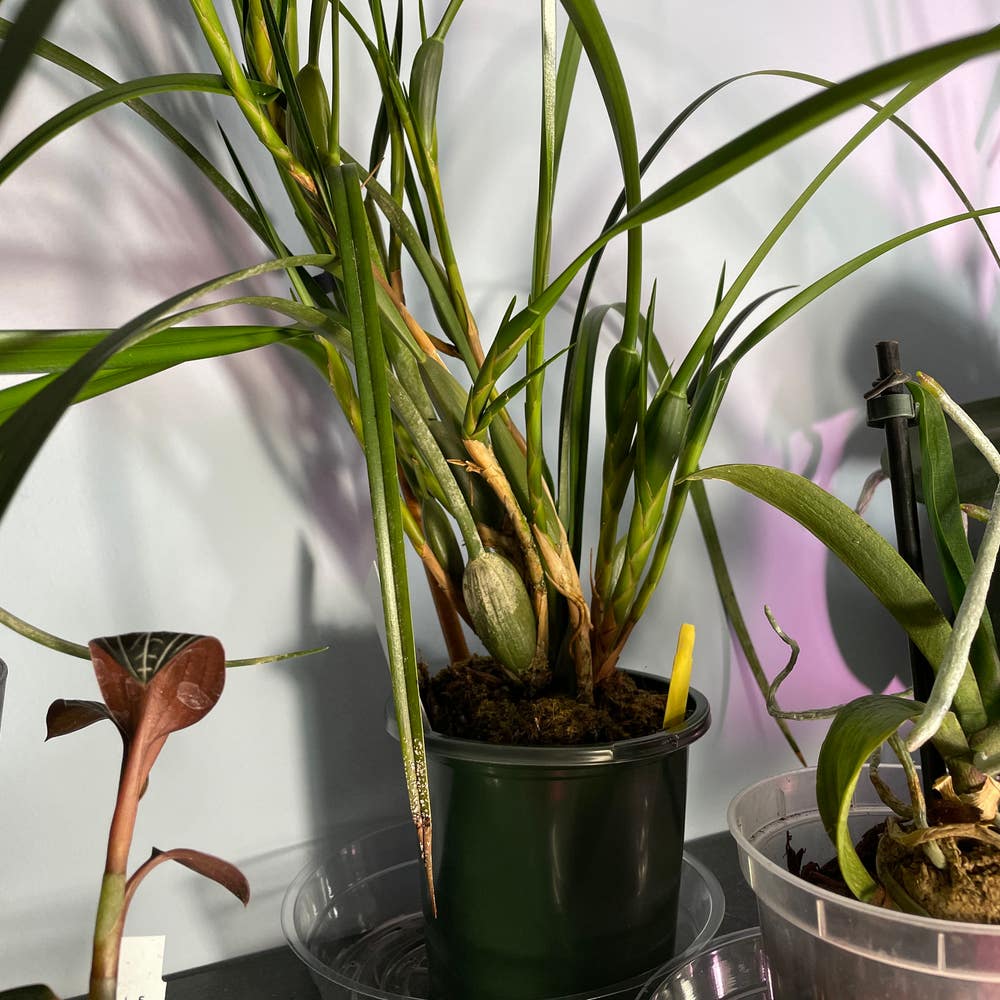
Wild Coco is a clumping perennial that showcases attractive foliage, making it a delightful addition to any garden. Typically, it reaches heights of 1 to 3 feet and spreads about 1 to 2 feet, creating a lush, green presence.
During the summer months, Wild Coco produces vibrant flowers that attract pollinators, enhancing the garden's ecological value. This blooming season not only adds beauty but also supports local wildlife, making it a win-win for gardeners.
🌿 Natural Growth Limits
One of the standout features of Wild Coco is its adaptability to various soil types. While it thrives in well-draining soils, it can tolerate less-than-ideal conditions, making it a resilient choice for diverse landscapes.
In terms of light conditions, Wild Coco flourishes in full sun to partial shade. Its natural growth limits ensure that it remains manageable, preventing it from becoming a nuisance in your garden. This characteristic makes it an excellent option for those looking to maintain a balanced and harmonious garden space.
Ecological Role
Benefits in Gardens and Ecosystems 🌼
Wild Coco plays a vital role in creating habitats for local wildlife. It provides shelter and food for essential pollinators and beneficial insects, making it a valuable addition to any garden.
Moreover, this plant contributes significantly to soil health. By adding organic matter, Wild Coco enhances soil structure and fertility, promoting a thriving ecosystem beneath the surface.
Positive Interactions 🐝
One of the standout features of Wild Coco is its ability to attract beneficial insects. Pollinators like bees and butterflies are drawn to its flowers, which helps support their populations.
Additionally, Wild Coco excels in companion planting. It enhances biodiversity and supports the growth of neighboring plants, creating a harmonious garden environment.
Incorporating Wild Coco into your garden not only beautifies the space but also fosters a thriving ecosystem. Its ecological benefits make it a smart choice for gardeners looking to promote sustainability and biodiversity.
Garden Management
Incorporating into Designs 🌼
Wild Coco is a fantastic addition to any garden design. Use it as a border plant or integrate it into mixed perennial beds for a vibrant look.
Pairing Wild Coco with complementary plants enhances visual interest and promotes biodiversity. Consider combining it with flowering plants or native grasses to create a dynamic garden space.
Controlling Growth ✂️
To maintain the aesthetic appeal of Wild Coco, regular pruning is essential. This practice helps keep the plant in shape and prevents it from becoming too large.
Monitoring growth is crucial to avoid overcrowding in garden beds. Additionally, using mulch can effectively suppress unwanted growth while retaining moisture in the soil.
Incorporating these management strategies ensures that Wild Coco thrives without overwhelming your garden. This balance allows you to enjoy its beauty while fostering a healthy ecosystem.
As we move forward, let’s explore how Wild Coco interacts with other plants and its unique qualities in comparison to similar species.
Comparison to Other Plants
🌱 Similar Non-Invasive Plants
When considering Wild Coco, it's essential to compare it to other non-invasive perennials. For instance, native grasses like blue fescue or flowering plants such as coneflowers share the non-invasive trait but differ in appearance and growth habits.
Wild Coco stands out with its lush, attractive foliage and vibrant flowers. While native grasses may offer a more subdued aesthetic, Wild Coco's unique texture and color can add a striking visual element to your garden.
🌟 Unique Qualities and Benefits
One of Wild Coco's most appealing features is its versatility in various garden settings. It adapts well to different soil types and light conditions, making it a fantastic choice for diverse landscapes.
Additionally, Wild Coco is wildlife-friendly, attracting beneficial species like bees and butterflies. By incorporating this plant into your garden, you not only enhance its beauty but also support local ecosystems, fostering a thriving environment for wildlife.
As you explore your gardening options, consider how Wild Coco can complement your existing plants while contributing positively to the ecosystem. This plant is not just a pretty addition; it's a vital part of a healthy garden.
Transitioning to the next section, let's delve into the legal and environmental considerations surrounding the planting of Wild Coco.
Legal and Environmental Considerations
🌱 Planting Guidelines
Before introducing Wild Coco into your garden, it's essential to check local regulations. Some areas may have specific guidelines regarding the planting of certain species, including Wild Coco.
Following sustainable gardening practices is crucial for promoting healthy ecosystems. This includes selecting the right planting locations and ensuring that your garden supports local wildlife.
🌍 Role in Sustainable Gardening
Wild Coco plays a significant role in enhancing biodiversity. By incorporating this plant into your garden, you contribute to a more resilient ecosystem that supports various forms of wildlife.
Integrating Wild Coco into eco-friendly designs aligns perfectly with sustainable landscaping principles. It not only beautifies your space but also fosters a thriving environment for beneficial species.
Incorporating these practices ensures that your gardening efforts are both rewarding and environmentally responsible. As you cultivate your garden, remember that every plant choice can positively impact the local ecosystem.
⚠️ Safety First
This content is for general information and may contain errors, omissions, or outdated details. It is not medical, veterinary advice, or an endorsement of therapeutic claims.
Always consult a qualified healthcare professional before using any plant as food, medicine, or supplement.
Never eat any plant (or feed one to pets) without confirming its identity with at least two trusted sources.
If you suspect poisoning, call Poison Control (800) 222-1222, the Pet Poison Helpline (800) 213-6680, or your local emergency service immediately.
Spotted an error? Please report it here.
Transform your garden into a vibrant ecosystem with Wild Coco 🌼, and let Greg guide you with tailored care tips to ensure your plants thrive while attracting beneficial wildlife!