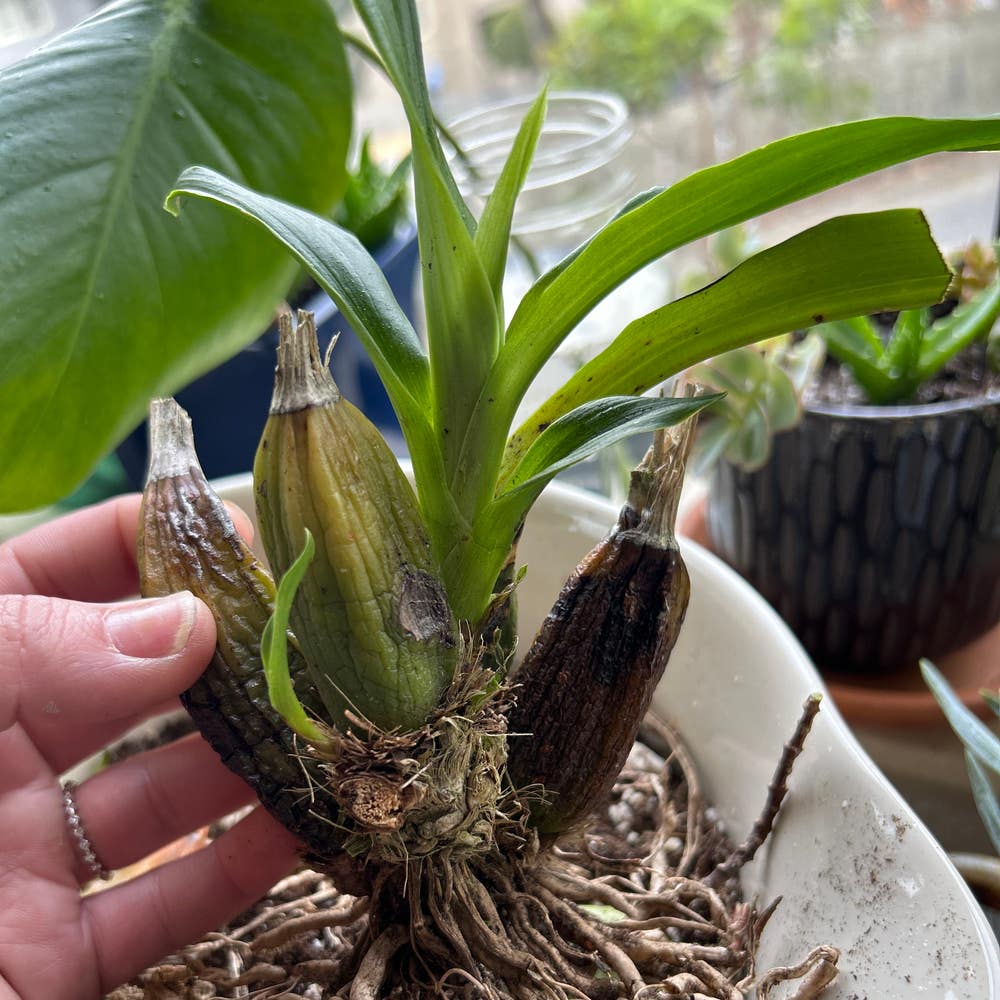
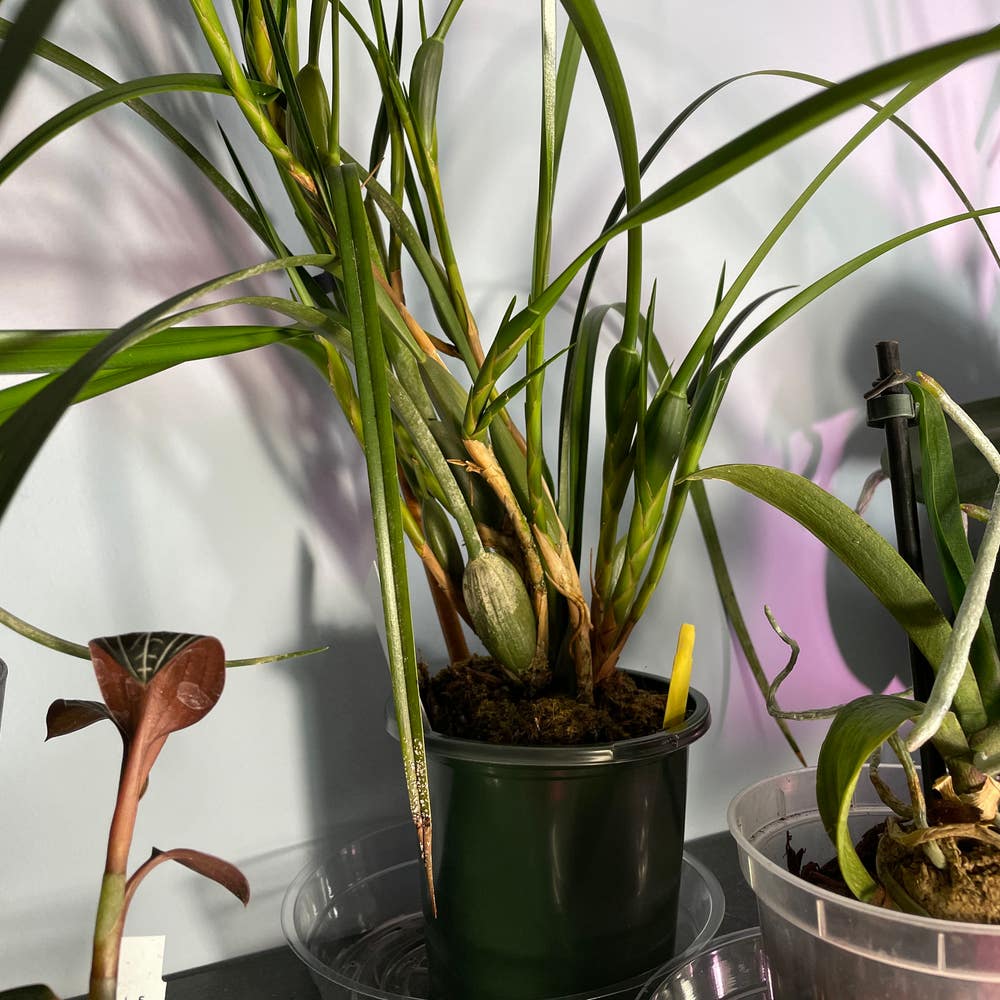
6 Perfect Plant Partners for Wild Coco 🥥
Eulophia alta
By the Greg Editorial Team
Jan 07, 2025•5 min read
This article was created with the help of AI so we can cover more plants for you. May contain errors. See one? Report it here.
- 🌱 Companion planting boosts Wild Coco's growth by enhancing soil health and biodiversity.
- 🐞 Natural pest control is achieved with plants like Marigold and Yarrow, reducing chemicals.
- 🌼 Aesthetic appeal improves with vibrant companion plants, creating a dynamic garden space.
Benefits of Companion Planting for Wild Coco
🌱 Enhancing Growth and Yield
Companion planting is a powerful strategy that supports plant relationships, enhancing growth and yield for Wild Coco. By pairing compatible plants, you can create a thriving ecosystem that boosts overall productivity.
Moreover, these relationships improve soil health and biodiversity. Healthier soil means better nutrient availability, which directly benefits your Wild Coco plants.
🐞 Pest Management with Companion Plants
How Companion Plants Help with Pest Control
Companion plants serve as natural pest deterrents through specific pairings that confuse or repel harmful insects. This method not only protects your Wild Coco but also fosters a balanced ecosystem.
By integrating companion plants, you can cultivate a garden that thrives without heavy reliance on chemical pesticides. This approach promotes a healthier environment for both plants and beneficial insects.
Specific Pests Repelled by Companion Plants of Wild Coco
Wild Coco faces threats from common pests like aphids and spider mites, which can significantly impact growth. However, certain companion plants can effectively mitigate these pests.
For instance, planting specific herbs or flowers alongside Wild Coco can deter these nuisances, ensuring your garden remains vibrant and productive.
🌼 Examples of Pest-Repellent Properties of Selected Companions
Plants like Marigold and Yarrow possess remarkable pest-repellent properties. Marigolds release compounds that repel nematodes, while Yarrow attracts beneficial insects that prey on harmful pests.
These plants not only protect your Wild Coco but also contribute to a more diverse and resilient garden ecosystem. Their chemical compounds play a crucial role in deterring pests, making them invaluable allies in your gardening efforts.
Best Companion Plants for Wild Coco
🌊 Plant 1: Beach Strawberry
Beach Strawberry is a hardy perennial that thrives in sandy soils and full sun. Its vibrant red fruits not only attract pollinators but also provide a delicious snack, making it a delightful addition to your Wild Coco garden.
🌼 Plant 2: Seaside Goldenrod
Seaside Goldenrod is a resilient plant that flourishes in coastal environments. Its bright yellow flowers bloom in late summer, offering a burst of color while attracting beneficial insects that help pollinate Wild Coco.
🌻 Plant 3: Black-eyed Susan
Black-eyed Susan is a cheerful, drought-tolerant flower known for its striking yellow petals and dark centers. This companion plant enhances the garden's visual appeal and attracts pollinators, supporting the overall health of Wild Coco.
🌺 Plant 4: Coral Honeysuckle
Coral Honeysuckle is a climbing vine with tubular flowers that attract hummingbirds and butterflies. Its ability to cover trellises or fences adds vertical interest to your garden while providing a habitat for beneficial wildlife.
🌿 Plant 5: Yarrow
Yarrow is a versatile perennial that boasts feathery foliage and clusters of tiny flowers. Known for its medicinal properties, it also attracts predatory insects that help control pests, making it a valuable partner for Wild Coco.
🌼 Plant 6: Marigold
Marigold is a vibrant annual flower that is famous for its pest-repelling qualities. Its bright blooms not only add color but also deter harmful insects, creating a healthier environment for Wild Coco to thrive.
These companion plants not only enhance the beauty of your Wild Coco garden but also contribute to its health and productivity. By selecting the right partners, you can create a thriving ecosystem that supports growth and biodiversity. Next, let’s explore how to enhance the visual appeal of your Wild Coco garden.
Visual Appeal and Aesthetic Benefits
🌼 Enhancing the Visual Appeal of Wild Coco Gardens
Creating a visually stunning Wild Coco garden involves careful consideration of color, texture, and height. These elements work together to create a harmonious and inviting space.
Companion plants play a crucial role in this design. They not only enhance the beauty of Wild Coco but also provide contrast and variety, making your garden more dynamic.
🎨 Color and Texture Combinations with Wild Coco
When selecting companion plants, consider color palettes that complement the vibrant hues of Wild Coco. For instance, pairing bright yellows or deep purples can create a striking visual impact.
Foliage texture also adds depth and interest. Mixing smooth-leaved plants with those that have a more rugged texture can create a layered effect, drawing the eye and inviting exploration.
Incorporating these design principles will elevate your Wild Coco garden, making it a true feast for the senses.
Plants to Avoid Near Wild Coco
🚫 List of Plants to Avoid
When planning your Wild Coco garden, it's crucial to steer clear of certain plants that can hinder its growth. Here are some specific plants to avoid:
- Mint: This vigorous grower can quickly take over, competing for space and nutrients.
- Cabbage Family: Plants like broccoli and kale can attract pests that may also target Wild Coco.
- Fennel: Known to inhibit the growth of nearby plants, fennel can create an unwelcoming environment for Wild Coco.
❓ Reasons for Avoidance
Understanding why these plants should be avoided is key to maintaining a healthy garden.
First, competition for nutrients and space can stunt the growth of Wild Coco. When plants like mint invade, they can overshadow and outcompete your Wild Coco for essential resources.
Second, some of these plants attract detrimental pests. For instance, cabbage family plants can lure aphids, which may then spread to your Wild Coco, leading to potential infestations and disease transmission risks.
By avoiding these plants, you can create a thriving environment for your Wild Coco, ensuring it flourishes alongside its beneficial companions.
Next, let’s explore how to enhance the visual appeal of your Wild Coco garden with the right companion plants.
⚠️ Safety First
This content is for general information and may contain errors, omissions, or outdated details. It is not medical, veterinary advice, or an endorsement of therapeutic claims.
Always consult a qualified healthcare professional before using any plant as food, medicine, or supplement.
Never eat any plant (or feed one to pets) without confirming its identity with at least two trusted sources.
If you suspect poisoning, call Poison Control (800) 222-1222, the Pet Poison Helpline (800) 213-6680, or your local emergency service immediately.
Spotted an error? Please report it here.
Boost your Wild Coco's growth and beauty through companion planting magic 🌼—let Greg guide you with tailored care tips for a flourishing garden!