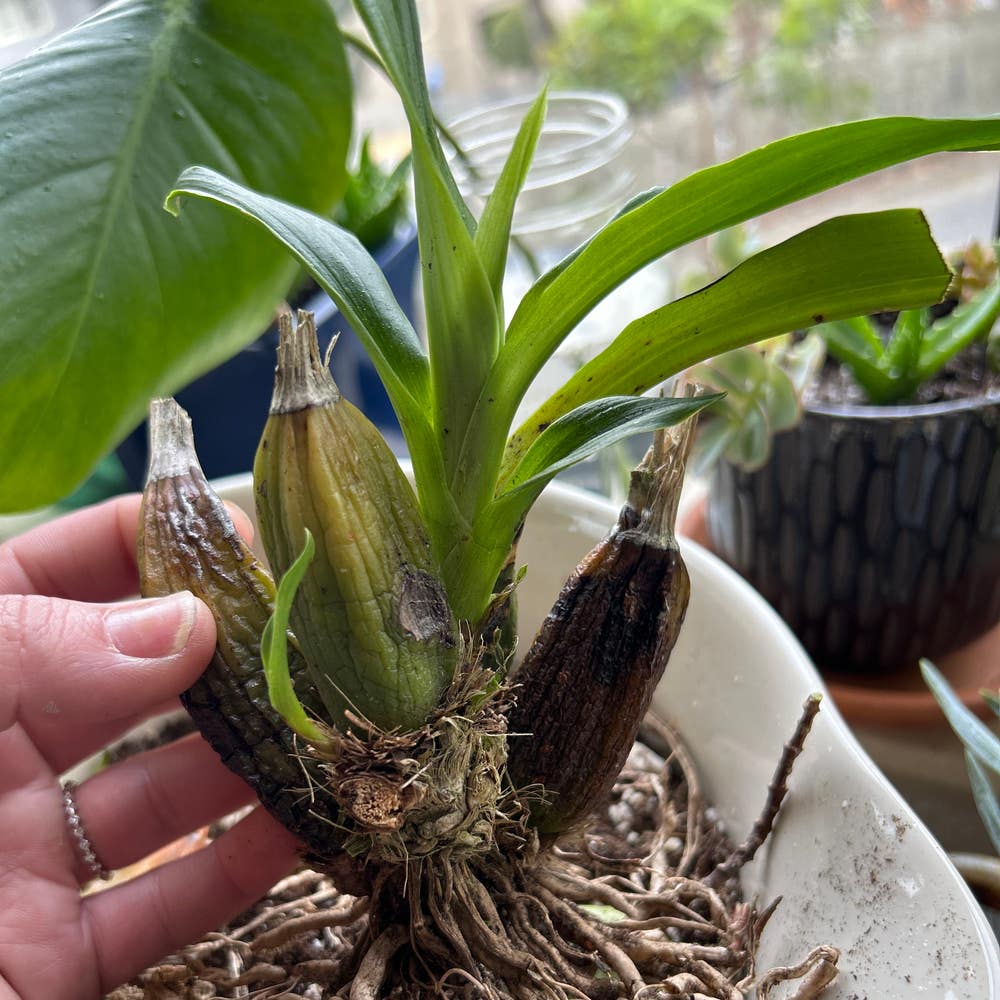
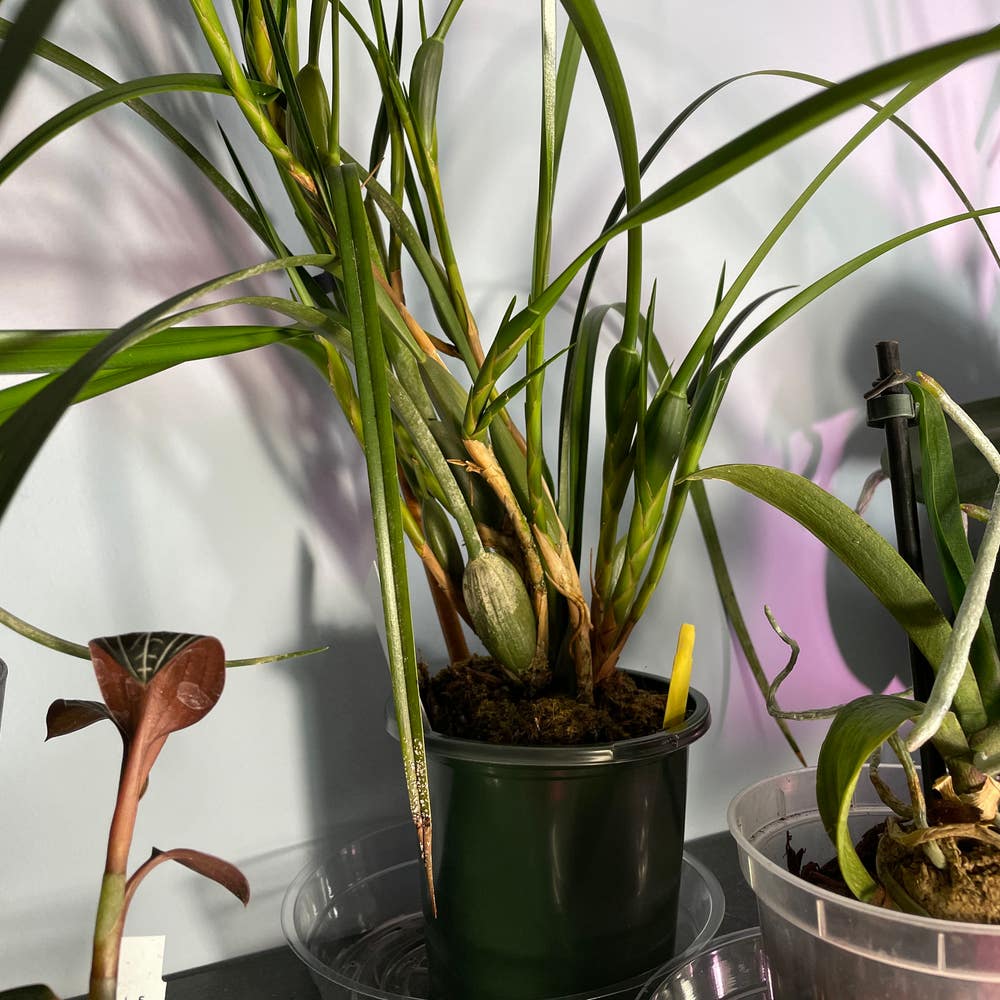
4 Key Factors in Choosing a Wild Coco Pot 🪴
Eulophia alta
By the Greg Editorial Team
Jan 06, 2025•6 min read
This article was created with the help of AI so we can cover more plants for you. May contain errors. See one? Report it here.
- 🌱 Choose pot sizes based on growth stages: 4-6 inches for seedlings, larger for maturity.
- 🕳️ Always select pots with drainage holes to prevent root rot and ensure healthy growth.
- 🌿 Pot material affects moisture retention; clay is breathable, while plastic retains moisture.
Pot Size for Different Growth Stages
🌱 Seedlings
For seedlings, the recommended container size is between 4 to 6 inches in diameter. Using smaller pots is crucial as it encourages root establishment and helps prevent overwatering, which can be detrimental at this fragile stage.
🌿 Juvenile Plants
As your plants transition into juvenile stages, opt for pots that are 8 to 10 inches in diameter. This increase in size supports their growing root systems and provides the stability they need to thrive.
🌳 Mature Plants
When it comes to mature plants, you'll want to choose pots that are 12 to 16 inches in diameter or even larger. These sizes accommodate extensive root systems, preventing root binding and ensuring your plants have the space they need to flourish.
📏 General Guidelines
A good rule of thumb is to increase pot size by 2 inches in diameter for each growth stage. Regularly monitoring your plants' growth is essential; keep an eye on root health and adjust pot sizes accordingly to maintain optimal conditions.
By understanding the specific needs of your plants at each growth stage, you can ensure they have the right environment to thrive. This attention to detail sets the foundation for healthy growth and vibrant foliage.
Ideal Materials for Pots
🌱 Clay Pots
Clay pots are a favorite among many gardeners due to their excellent breathability. This feature allows air to circulate around the roots, promoting healthy growth and moisture regulation.
In hot climates, clay pots also help keep roots cool. Their porous nature allows excess heat to escape, creating a more stable environment for your plants.
🪴 Plastic Pots
On the other hand, plastic pots are lightweight and easy to handle. This makes them a practical choice for those who frequently rearrange their plants or need to move them indoors and outdoors.
Plastic pots have the advantage of moisture retention. However, this can lead to overwatering if you're not careful, as they tend to hold onto water longer than clay pots.
⚖️ Comparison of Materials
When choosing between clay and plastic pots, consider the following pros and cons:
| Material | Pros | Cons |
|---|---|---|
| Clay | Breathable, temperature regulation | Heavier, can break easily |
| Plastic | Lightweight, moisture retention | Less breathable, can lead to overwatering |
Understanding these differences can help you make an informed decision that best suits your wild coco plants' needs. Choosing the right pot material is crucial for fostering a thriving environment.
As you explore pot options, remember that the right choice can significantly impact your plant's health and growth. Next, let's dive into the importance of drainage holes in pot selection.
Importance of Drainage Holes
Best Practices for Ensuring Proper Drainage 🌊
Choosing pots with multiple drainage holes is essential for healthy plant growth. These holes enhance water flow and significantly reduce the risk of root rot, which can be detrimental to your wild coco plants.
Additionally, consider adding a drainage layer at the bottom of the pot. Using gravel or small stones can improve drainage further, allowing excess water to escape and preventing waterlogging.
Common Mistakes ❌
One of the most common mistakes is using pots without drainage holes. This oversight can lead to waterlogging, which poses serious risks to root health and overall plant vitality.
Always prioritize drainage when selecting pots. A little attention to this detail can make a world of difference in your plant's health and growth.
As you move forward, remember that proper drainage is just one piece of the puzzle in creating a thriving environment for your wild coco plants. Next, we’ll explore the impact of pot choice on plant health.
Impact of Pot Choice on Health
🌱 How Pot Size Affects Root Development
Choosing the right pot size is crucial for healthy root development. Sufficient space allows roots to expand freely, which is essential for effective nutrient absorption.
When roots are cramped, they struggle to grow, leading to stunted plant growth. A well-sized pot supports robust root systems, ensuring your wild coco plants thrive.
🧱 Effects of Pot Material on Moisture Retention and Temperature
The material of your pot significantly impacts moisture retention and temperature regulation. Clay pots are known for their breathability, allowing excess moisture to evaporate and keeping roots cool in warmer climates.
On the other hand, plastic pots retain moisture longer, which can be beneficial but also risky if not monitored. Understanding these differences helps you make informed choices that promote plant health.
In summary, both pot size and material play vital roles in the overall health of your wild coco plants. Selecting the right combination will set the stage for vibrant growth and resilience.
Next, let’s explore the importance of drainage holes and how they contribute to plant health.
Repotting Wild Coco
When to Repot 🌱
Repotting is essential for maintaining the health of your Wild Coco plants. Look for signs like roots growing out of drainage holes, stunted growth, or yellowing leaves, which indicate it's time for a new pot.
How to Choose the Right Pot During Repotting 🪴
Start by assessing the current pot size. Determine how much larger the new pot should be based on the plant's growth stage.
Next, consider the materials. Choose between clay or plastic pots depending on your environmental conditions and personal preferences. Clay pots offer breathability, while plastic pots are lightweight and retain moisture longer.
Signs Indicating the Need for a Larger Pot 🚀
Keep an eye on root health indicators. If you notice roots circling the pot or visible through drainage holes, it's a clear sign that your plant needs a larger pot to thrive.
Repotting not only provides more space for growth but also enhances the overall health of your Wild Coco. With the right timing and pot selection, your plant will flourish in its new home.
⚠️ Safety First
This content is for general information and may contain errors, omissions, or outdated details. It is not medical, veterinary advice, or an endorsement of therapeutic claims.
Always consult a qualified healthcare professional before using any plant as food, medicine, or supplement.
Never eat any plant (or feed one to pets) without confirming its identity with at least two trusted sources.
If you suspect poisoning, call Poison Control (800) 222-1222, the Pet Poison Helpline (800) 213-6680, or your local emergency service immediately.
Spotted an error? Please report it here.
Choose the perfect pot for your wild coco plants 🌱 with Greg's tailored tips that guide you through selecting the right size and material for every growth stage!