Best Practices for Repotting Wild Coco 🪴
Eulophia alta
By the Greg Editorial Team
Jan 06, 2025•5 min read
This article was created with the help of AI so we can cover more plants for you. May contain errors. See one? Report it here.
- 🌱 Signs of root-bound Wild Coco include roots out of drainage holes or circling the pot.
- 🌼 Best time to repot is early spring, just before new growth starts.
- 🌡️ Ensure temperatures above 60°F for successful repotting and plant recovery.
Signs That Wild Coco Needs Repotting
Recognizing when your Wild Coco needs repotting is crucial for its health and growth. Here are the key indicators to watch for.
🌱 Root Bound Indicators
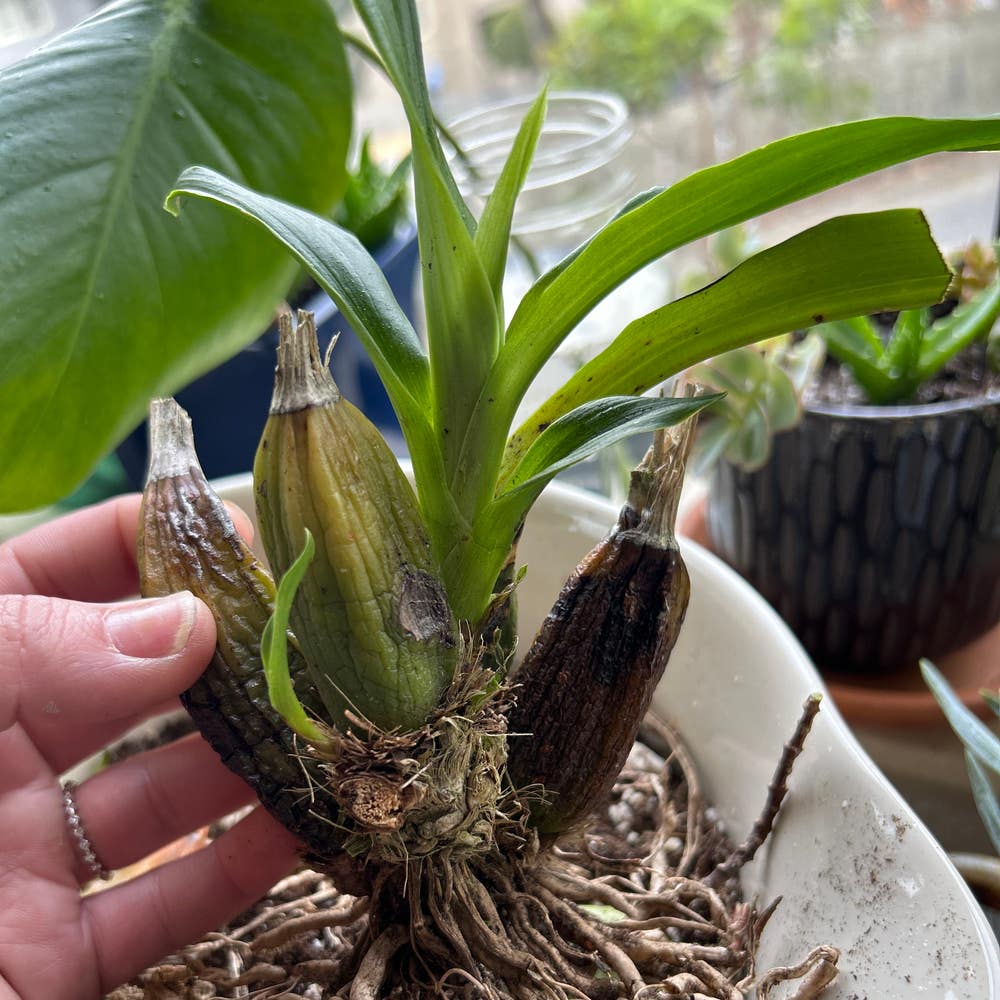
One of the first signs that your Wild Coco is root-bound is when you see roots growing out of the drainage holes. This indicates that the plant has outgrown its pot and needs more space.
Another sign is roots circling the pot's interior. If you notice this, it's a clear signal that the roots are cramped and struggling for room.
Lastly, if your plant exhibits stunted growth despite receiving adequate care, it’s time to consider repotting. A lack of growth can often be traced back to insufficient root space.
🏺 Soil Condition
The condition of the soil is another important factor. If the soil feels compacted and isn't draining well, it can suffocate the roots and hinder growth.
Additionally, look for signs of salt buildup or a crust forming on the soil surface. This can indicate over-fertilization or poor drainage, both of which necessitate repotting.
🌿 Plant Health
Your Wild Coco's overall health can also signal the need for repotting. Yellowing leaves or leaf drop are common signs of stress, often linked to root issues or poor soil conditions.
If the plant shows reduced vigor or wilting despite proper watering, it may be struggling due to being root-bound or having inadequate soil. Addressing these issues through repotting can rejuvenate your plant.
By keeping an eye on these signs, you can ensure your Wild Coco remains healthy and thriving. Next, let's explore the best time to repot your plant for optimal results.
Best Time to Repot Wild Coco
🌱 Seasonal Considerations
The best time to repot your Wild Coco is early spring, just before new growth kicks in. This timing allows the plant to adjust to its new pot without the stress of competing with active growth.
Avoid repotting during the summer when the plant is in its active growth phase. Doing so can disrupt its natural rhythm and lead to unnecessary stress.
🌡️ Environmental Factors
Temperature plays a crucial role in successful repotting. Make sure the temperatures are consistently above 60°F (15°C) to promote healthy recovery.
Humidity is another important factor. Higher humidity levels can significantly aid your Wild Coco's recovery after repotting, helping it to thrive in its new environment.
By considering these seasonal and environmental factors, you set your Wild Coco up for success. Next, let’s dive into the step-by-step guide for repotting this beautiful plant!
Pot Material Options for Wild Coco
Choosing the right pot material for your Wild Coco is crucial for its growth and health. Each option comes with its own set of advantages and disadvantages.
🥇 Pros and Cons of Each Pot Material
Ceramic
Ceramic pots are known for their aesthetic appeal and good insulation properties. However, they can be quite heavy and may retain moisture, which can lead to overwatering issues.
Plastic
Plastic pots are lightweight and affordable, making them a popular choice. They offer good drainage options but are less breathable and can heat up quickly, potentially stressing the roots.
Terracotta
Terracotta pots excel in drainage and are breathable, allowing for healthy root development. On the downside, they can dry out quickly and become heavy when wet, requiring more frequent watering.
Metal
Metal pots provide a modern look and are durable, but they have poor insulation properties. This can lead to overheating of the roots, which is detrimental to plant health.
🌱 Recommended Pot Materials for Optimal Growth
For optimal growth, terracotta is often the best choice due to its excellent drainage capabilities. Ceramic pots are also recommended for their aesthetic qualities, but be cautious of moisture retention.
Avoid using non-breathable materials like solid plastic for long-term growth. These can hinder root health and overall plant vigor.
With the right pot material, your Wild Coco will thrive and flourish, setting the stage for a vibrant indoor garden. Now that you know about pot materials, let’s explore common mistakes to avoid when repotting your Wild Coco.
Common Mistakes in Repotting Wild Coco
Mistakes to Avoid When Repotting Wild Coco 🌱
Repotting Wild Coco can be tricky if you’re not careful. One common mistake is repotting too frequently or at the wrong time of year, which can stress the plant and hinder its growth.
Another pitfall is using a pot that’s too large. This can lead to excess soil moisture, which may cause root rot and other issues.
How to Prevent Root Damage During Repotting 🛠️
When repotting, handle the root ball gently. Avoid pulling on the plant to prevent damaging the roots, which are crucial for its health.
Taking your time during this process can make a significant difference in the plant's recovery and growth.
Importance of Acclimatization After Repotting 🌍
After repotting, it's essential to allow your Wild Coco to acclimatize to its new environment. Gradually introducing it to changes in light and humidity can minimize shock and promote healthy growth.
This adjustment period is vital for the plant to thrive in its new home.
⚠️ Safety First
This content is for general information and may contain errors, omissions, or outdated details. It is not medical, veterinary advice, or an endorsement of therapeutic claims.
Always consult a qualified healthcare professional before using any plant as food, medicine, or supplement.
Never eat any plant (or feed one to pets) without confirming its identity with at least two trusted sources.
If you suspect poisoning, call Poison Control (800) 222-1222, the Pet Poison Helpline (800) 213-6680, or your local emergency service immediately.
Spotted an error? Please report it here.
Transform your Wild Coco into a thriving beauty 🌱 by using Greg's tailored repotting tips and reminders to ensure a smooth transition and optimal growth!