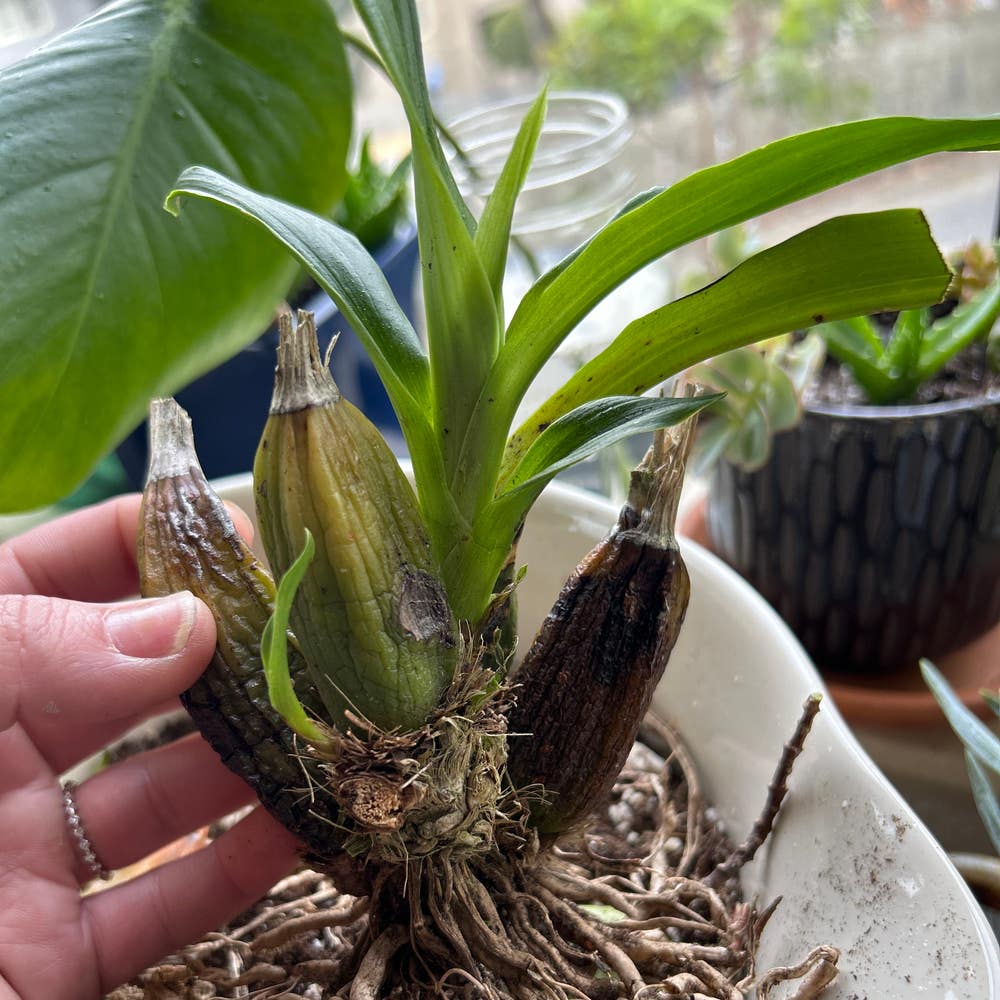
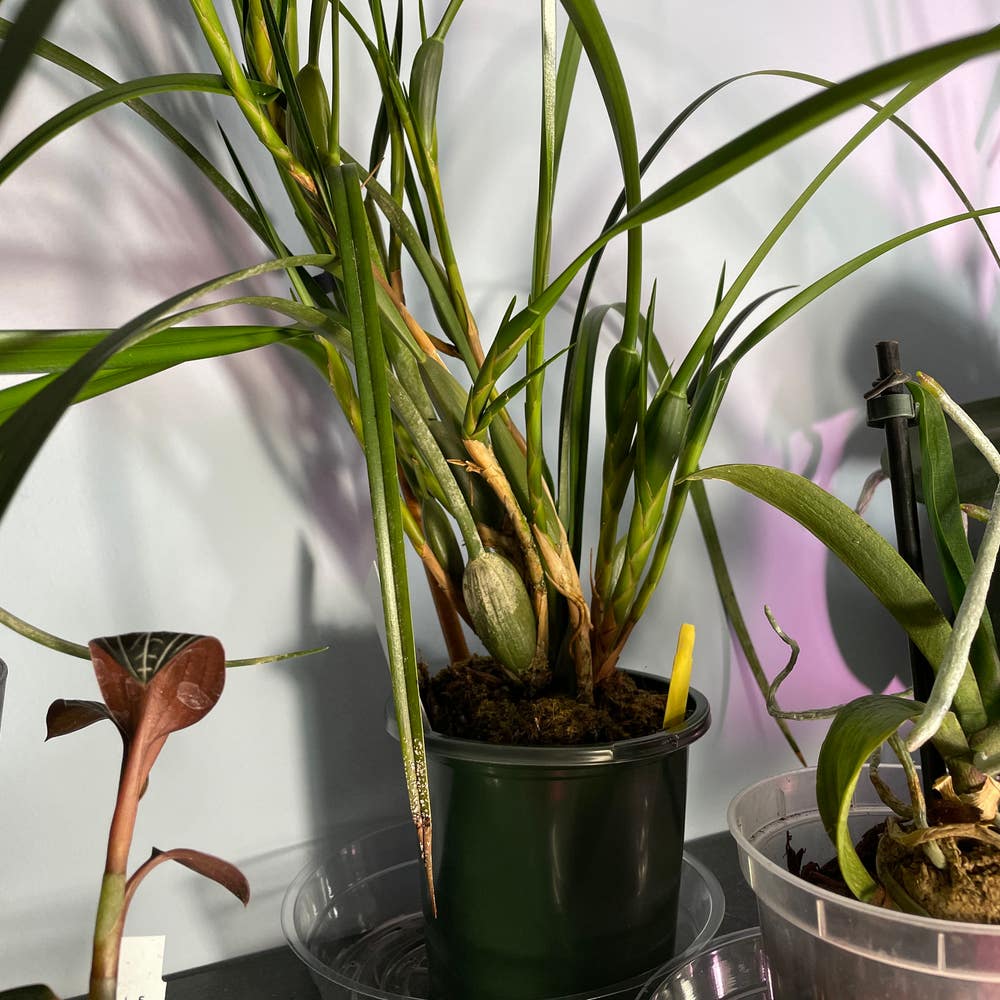
How to Fix Droopy Leaves on Your Wild Coco 😩
Eulophia alta
By the Greg Editorial Team
Jan 06, 2025•7 min read
This article was created with the help of AI so we can cover more plants for you. May contain errors. See one? Report it here.
- 💧 Overwatering and underwatering both cause droopy leaves; balance is key.
- 🌡️ Maintain 20°C to 30°C temperature and 50%-70% humidity for optimal health.
- 🌱 Regular checks for pests and nutrient deficiencies ensure your wild coco thrives.
Causes of Droopy Leaves
💧 Overwatering and Its Effects
Overwatering is a common culprit behind droopy leaves. Symptoms include yellowing leaves, soggy soil, and root rot, which can severely impact your plant's health.
When the soil is overly saturated, it reduces oxygen availability to the roots, making them more susceptible to diseases. To remedy this, allow the soil to dry out and check for proper drainage.
🚰 Underwatering and Dehydration
On the flip side, underwatering can also lead to droopy leaves. Look for crispy leaf edges, wilting, and dry soil as telltale signs of dehydration.
This condition can stunt growth and cause leaf drop. To fix this, increase your watering frequency and keep an eye on soil moisture levels.
🥦 Nutrient Deficiencies
Nutrient deficiencies can significantly affect your wild coco's health.
🌱 Nitrogen Deficiency
A nitrogen deficiency manifests as pale green leaves and stunted growth. To address this, use a balanced fertilizer that includes nitrogen.
🔋 Potassium Deficiency
Potassium deficiency shows up as leaf tip burn and yellowing between the veins. Applying potassium-rich fertilizers can help restore balance.
🌪️ Environmental Stress
Environmental factors can also lead to droopy leaves.
🌡️ Temperature
Your wild coco thrives in a temperature range of 20°C to 30°C (68°F to 86°F). If temperatures fluctuate outside this range, you may notice leaf droop and discoloration.
To combat this, move your plant to a more stable environment where temperatures are consistent.
💨 Humidity
Humidity levels play a crucial role as well. Ideal humidity for wild coco is between 50% to 70%. Low humidity can cause leaf curling and droopiness.
Using a humidifier or a pebble tray can help maintain optimal humidity levels.
🐜 Pest Infestations
Pest infestations can wreak havoc on your plant's health.
🐞 Common Pests
Aphids are notorious for leaving sticky residue and curling leaves, while spider mites create fine webbing and stippled leaves.
Control methods include using insecticidal soap, neem oil, or introducing beneficial insects to keep pests at bay.
Understanding these causes is essential for diagnosing and treating droopy leaves effectively. Next, we’ll explore how to diagnose the specific issues affecting your wild coco.
Diagnosing Droopy Leaves
👀 Visual Signs to Look For
Droopy leaves often exhibit noticeable visual changes. Look for yellowing, browning, or wilting leaves, which can indicate various issues.
Additionally, assess the leaf texture. Softness may suggest overwatering, while crispiness can signal underwatering.
💧 Soil Moisture Testing
Soil moisture is crucial for plant health. Use the finger test by inserting your finger into the soil; if it feels dry an inch down, it's time to water.
Alternatively, a moisture meter can provide a more accurate reading. The ideal soil moisture level should be slightly moist but never soggy.
☀️ Assessing Light Conditions
Light conditions play a significant role in leaf health. Your wild coco thrives in bright, indirect sunlight for optimal growth.
If you notice stretching or pale leaves, it may be a sign of inadequate light. Adjusting the plant's location can help restore its vigor.
🐛 Checking for Pests and Diseases
Pests and diseases can severely impact your plant's health. Conduct a visual inspection by looking under leaves and at the bases of stems for any signs of trouble.
Common indicators include fungal growth or unusual spots on the leaves. Early detection is key to effective treatment and recovery.
With these diagnostic steps, you can identify the underlying causes of droopy leaves and take action to restore your wild coco's health. Next, let’s explore practical solutions to revive your plant.
Solutions for Droopy Leaves
🌊 Adjusting Watering Practices
To revive your wild coco, start by adjusting your watering practices. Water the plant when the top inch of soil feels dry to the touch.
Deep watering is key; it encourages roots to grow deeper and stronger. This method ensures that the entire root system receives adequate moisture.
🏞️ Improving Soil Drainage
Next, focus on improving soil drainage. Use sandy, well-draining potting mixes to prevent water from pooling around the roots.
Consider adding perlite or sand to your potting mix. These materials enhance aeration and drainage, promoting healthier root growth.
🌱 Fertilization Tips
Fertilization plays a crucial role in plant health. Opt for balanced NPK fertilizers to provide essential nutrients.
Apply fertilizer every 4-6 weeks during the growing season. This regular feeding supports robust growth and helps combat droopiness.
💧 Increasing Humidity Levels
Humidity is vital for your wild coco's well-being. Aim for humidity levels between 50% to 70% for optimal growth.
You can increase humidity by grouping plants together, using humidity trays, or misting the leaves. These methods create a more favorable environment for your plant.
🐞 Pest Control Methods
Finally, address any pest issues promptly. Organic options like neem oil and insecticidal soap are effective for controlling infestations.
For a non-chemical approach, hand-pick pests or introduce natural predators. These methods help maintain a healthy ecosystem for your wild coco.
By implementing these solutions, you can effectively tackle droopy leaves and promote a thriving plant. Next, let’s explore preventative measures to keep your wild coco healthy in the long run.
Preventative Measures
💧 Best Practices for Watering
To keep your wild coco thriving, water deeply but infrequently. This encourages strong root growth and prevents overwatering, which can lead to droopy leaves.
Monitor soil moisture regularly using moisture meters or the finger test. Stick your finger into the soil; if it feels dry an inch down, it’s time to water.
☀️ Ideal Light Conditions
Your wild coco needs bright, indirect sunlight for about 6-8 hours daily. If you notice signs of light stress, such as stretching or pale leaves, consider moving your plant to a better-lit spot.
🔍 Regular Maintenance and Monitoring
Establish a routine for weekly checks on moisture levels, pests, and overall plant health. Keeping a care journal can help you track changes and identify patterns in your plant's needs.
🍂 Seasonal Care Adjustments
Adjust your care routine with the seasons. In winter, reduce watering and keep an eye out for drafts that could stress your plant.
During summer, increase humidity and watering frequency to accommodate the warmer temperatures. This proactive approach will help maintain your wild coco's health year-round.
With these preventative measures in place, your wild coco will be better equipped to thrive and avoid droopy leaves. Next, let’s explore effective recovery techniques if your plant does show signs of distress.
Recovery Techniques
Step-by-Step Recovery Process 🌱
Recovering your wild coco from droopy leaves requires a systematic approach. Start by identifying the cause of droopiness; this is crucial for effective treatment.
Next, adjust your watering practices based on the identified issue. If overwatering is the culprit, reduce frequency; if underwatering, increase it.
Improving soil drainage may be necessary if you suspect waterlogged roots. Consider adding perlite or sand to your potting mix for better aeration.
Fertilizing with the appropriate nutrients can also help revive your plant. Use a balanced fertilizer to address any deficiencies.
Finally, monitor environmental conditions closely. Ensure your wild coco is in a suitable temperature and humidity range to promote recovery.
Monitoring Progress After Treatment 📈
After implementing recovery techniques, check your plant's progress every few days for the first two weeks. This regular monitoring helps you catch any setbacks early.
Look for signs of recovery, such as new growth and improved leaf turgor. These indicators suggest your wild coco is bouncing back.
When to Seek Professional Help 🆘
If your wild coco remains persistently droopy despite your care adjustments, it may be time to seek professional help. Indicators of a more serious issue include continued leaf droopiness and lack of improvement.
Consider consulting local plant experts or extension services for tailored advice. They can provide insights that may not be apparent through self-diagnosis.
⚠️ Safety First
This content is for general information and may contain errors, omissions, or outdated details. It is not medical, veterinary advice, or an endorsement of therapeutic claims.
Always consult a qualified healthcare professional before using any plant as food, medicine, or supplement.
Never eat any plant (or feed one to pets) without confirming its identity with at least two trusted sources.
If you suspect poisoning, call Poison Control (800) 222-1222, the Pet Poison Helpline (800) 213-6680, or your local emergency service immediately.
Spotted an error? Please report it here.
Revive your wild coco and prevent droopy leaves 🌱 by using Greg's tailored care reminders and community insights to keep your plant thriving!