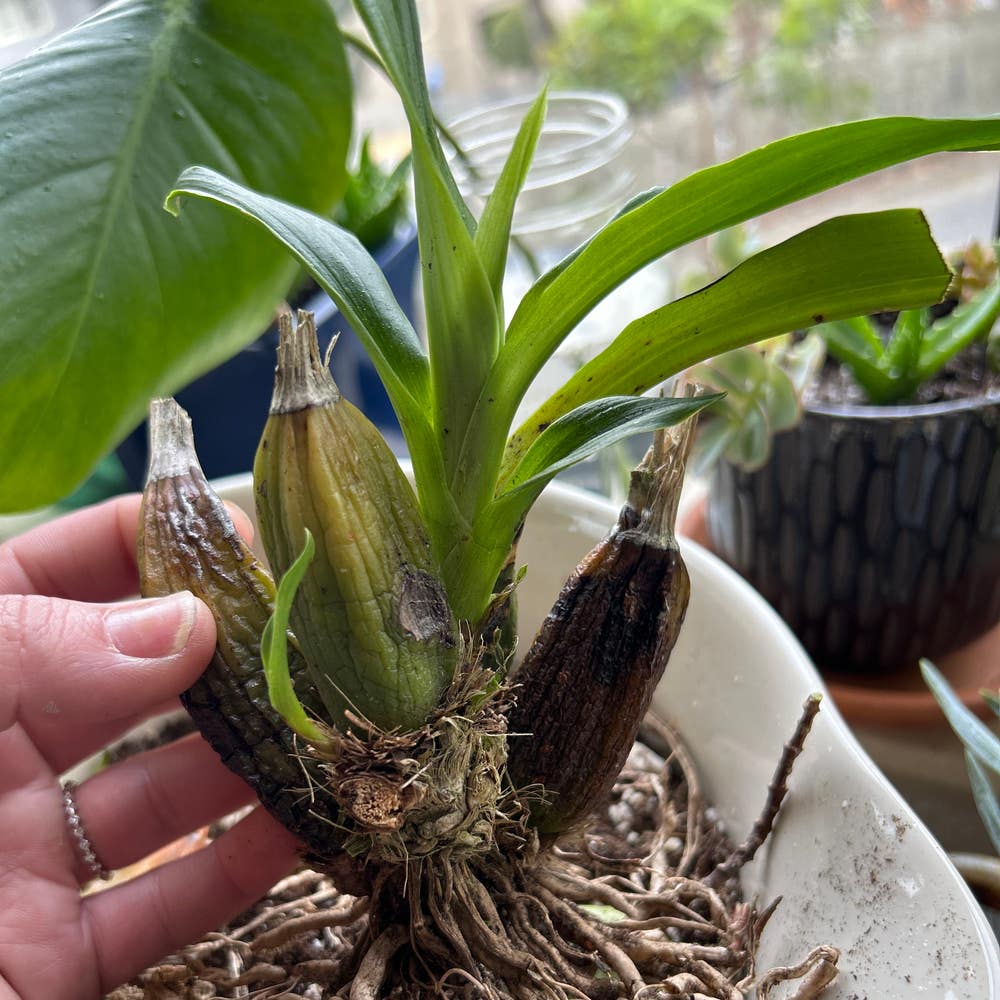
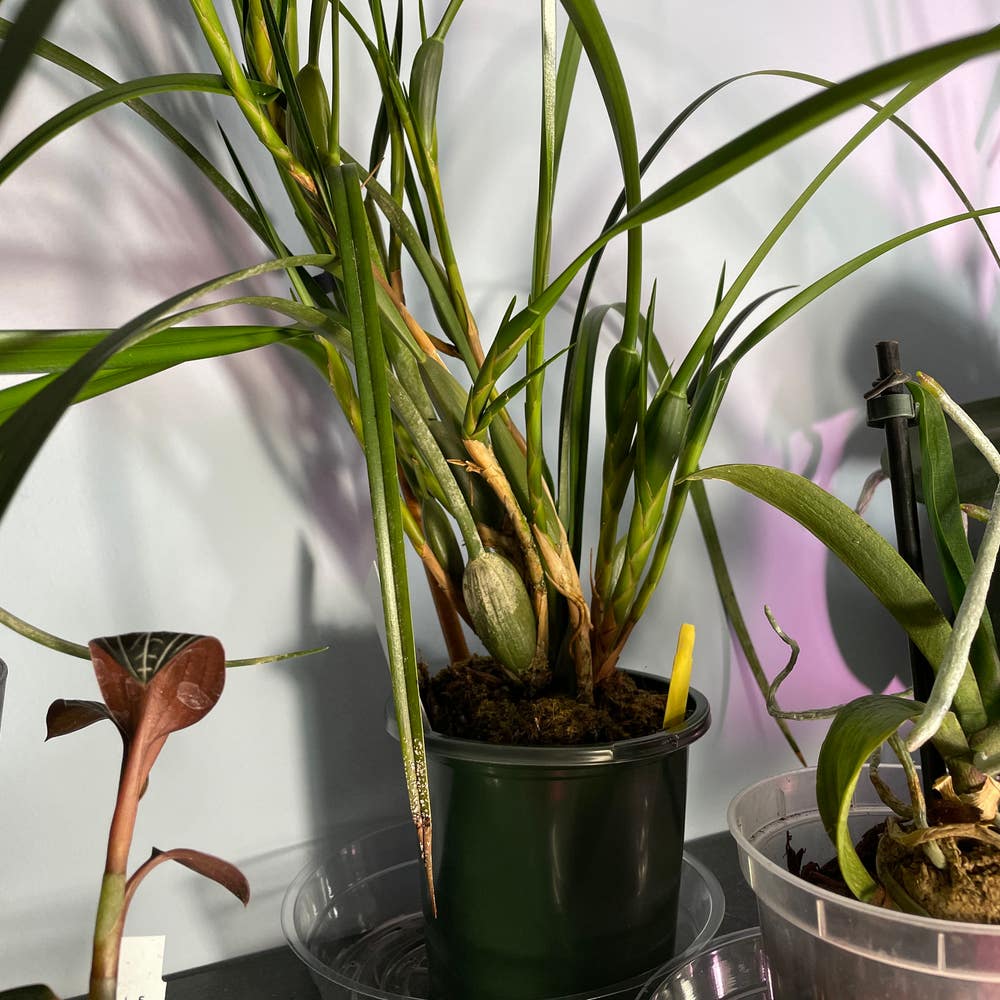
9 Winter Threats to Your Wild Coco ❄️
Eulophia alta
By the Greg Editorial Team
Jan 06, 2025•5 min read
This article was created with the help of AI so we can cover more plants for you. May contain errors. See one? Report it here.
- ❄️ Frost protection is vital; use cloth, burlap, and mulch before the first frost.
- 💧 Water every 2-3 weeks in winter to prevent root rot; check soil moisture.
- 🌱 Fertilize every 6-8 weeks with low-nitrogen fertilizer for healthy winter growth.
Winter Care Strategies
❄️ Frost protection methods
Frost protection is crucial for the health of your Wild Coco. Without it, your plants can suffer severe damage, impacting their growth and vitality.
To shield your Wild Coco from frost, consider these effective techniques:
- Covering with frost cloth or burlap: This provides a protective layer against cold temperatures.
- Using mulch to insulate roots: A thick layer of mulch helps maintain soil warmth.
- Creating windbreaks with barriers: Barriers can reduce wind exposure, which often exacerbates frost damage.
Timing is key when implementing these frost protection measures. Aim to set up your protective strategies before the first frost hits to ensure your plants are well-prepared.
💧 Adjusting watering schedules for winter
Modifying your watering frequency during winter is essential for your Wild Coco's health. Overwatering can lead to root rot, especially in cooler temperatures.
A recommended watering schedule is to reduce frequency to every 2-3 weeks. Watch for signs of overwatering, such as yellowing leaves or mushy roots.
To check soil moisture levels, you can stick your finger into the soil about an inch deep. If it feels dry, it’s time to water; if it’s still moist, hold off for a bit longer.
🌱 Fertilizing during the winter season
Adjusting your fertilization practices during winter is necessary to support your Wild Coco. Plants typically require less nutrition when they are dormant.
Aim to fertilize once every 6-8 weeks using low-nitrogen, slow-release options. This approach helps prevent nutrient buildup that can harm your plants.
Keep an eye out for signs of nutrient deficiency, such as pale leaves or stunted growth. Addressing these issues promptly can help your Wild Coco thrive even in the colder months.
As you implement these winter care strategies, remember that each step contributes to the overall health of your Wild Coco. Next, we’ll explore how to bring your plants indoors for the winter season, ensuring they remain safe and healthy.
Indoor Winter Care
Best practices for bringing indoors 🌱
Timing is crucial when bringing your Wild Coco indoors. Aim to do this before the first frost hits, as exposure to cold can damage your plant.
To help your Wild Coco adjust, follow these steps for acclimation:
- Gradually transition your plant over 1-2 weeks to indoor conditions.
- Before bringing it inside, inspect for pests to prevent infestations.
Light and temperature requirements ☀️
Your Wild Coco thrives best in bright, indirect sunlight. This ensures it receives the light it needs without the risk of scorching its leaves.
Maintain a temperature range of 18°C to 24°C (65°F to 75°F) for optimal growth. Be mindful to keep your plant away from drafts and direct heat sources, as these can stress it out.
As you prepare for winter, remember that proper indoor care is essential for your Wild Coco's health. With the right conditions, your plant will flourish even in the colder months.
Spring Preparation
Signs of recovery from winter damage 🌱
As spring approaches, look for signs that your Wild Coco is bouncing back from winter's harsh grip. New growth and vibrant leaves are excellent indicators of a healthy recovery.
Conversely, keep an eye out for common signs of winter damage, such as browning leaf tips and stunted growth. These symptoms can signal that your plant needs a little extra care.
Preparing for spring growth 🌼
With warmer temperatures on the horizon, it's time to prepare your Wild Coco for the great outdoors. Start by gradually reintroducing your plant to outdoor conditions over a week or two.
Next, resume your regular watering and fertilization schedules to support its growth. This is also the perfect time to prune any damaged leaves and stems, encouraging fresh, healthy growth as spring unfolds.
Common Winter Problems and Solutions
🌨️ Identifying and Addressing Frost Damage
Frost can wreak havoc on your Wild Coco, leading to symptoms like wilting and discoloration. These signs indicate that your plant is struggling and needs immediate attention.
To help your Wild Coco recover, start by pruning any affected areas. This will encourage new growth and help the plant focus its energy on healthy parts.
Additionally, providing warmth and humidity can significantly aid recovery. Consider placing a humidifier nearby or misting the leaves to create a more favorable environment.
🐜 Managing Pests During Winter Months
Winter doesn't just bring cold; it can also invite pests like spider mites and aphids into your home. These unwelcome guests can thrive indoors, so vigilance is key.
Regular inspections and cleaning are essential to keep these pests at bay. Check the undersides of leaves and around the base of the plant for any signs of infestation.
If you spot pests, don't panic. Use insecticidal soap or neem oil as effective control methods. These solutions can help eliminate pests without harming your Wild Coco.
By staying proactive about frost damage and pest management, you can ensure your Wild Coco remains healthy and vibrant throughout the winter months. Next, let’s explore how to prepare your plant for the upcoming spring growth.
⚠️ Safety First
This content is for general information and may contain errors, omissions, or outdated details. It is not medical, veterinary advice, or an endorsement of therapeutic claims.
Always consult a qualified healthcare professional before using any plant as food, medicine, or supplement.
Never eat any plant (or feed one to pets) without confirming its identity with at least two trusted sources.
If you suspect poisoning, call Poison Control (800) 222-1222, the Pet Poison Helpline (800) 213-6680, or your local emergency service immediately.
Spotted an error? Please report it here.
Keep your Wild Coco thriving this winter ❄️ with Greg's tailored reminders for frost protection and watering, ensuring it stays healthy and vibrant all season long!