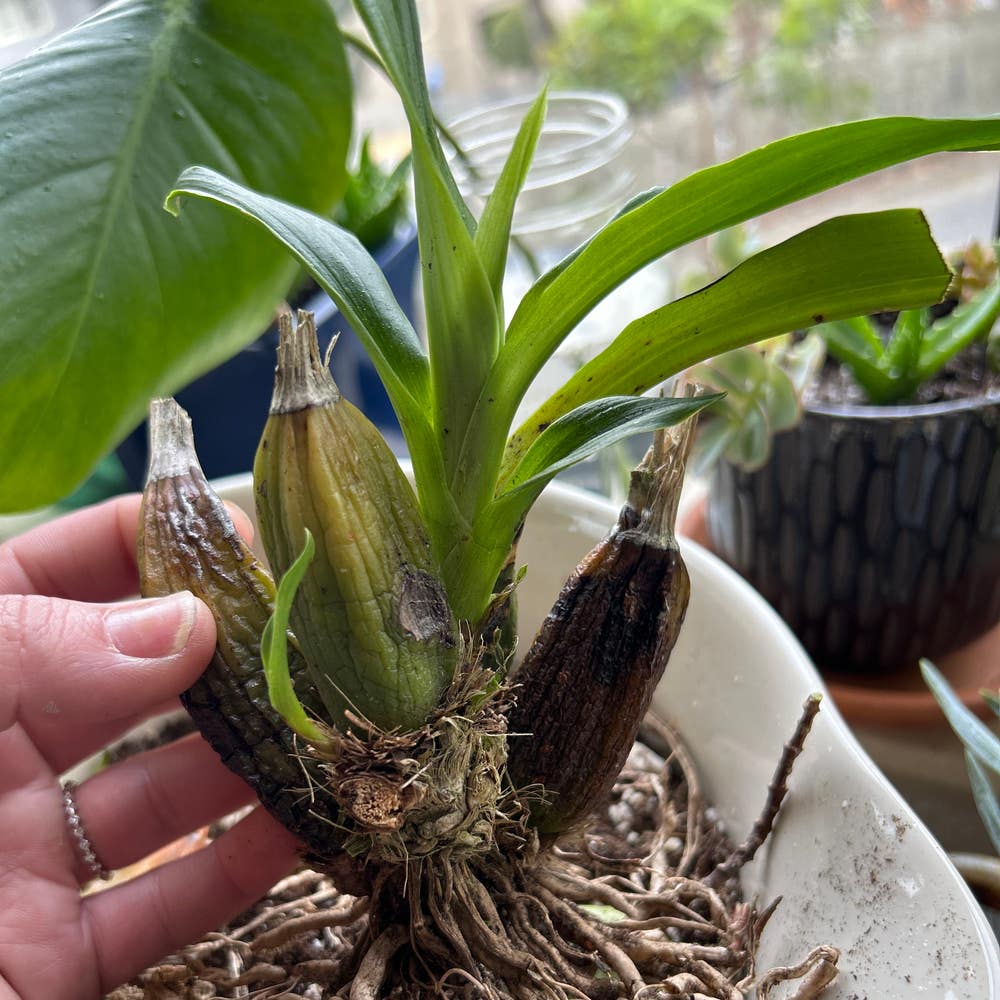
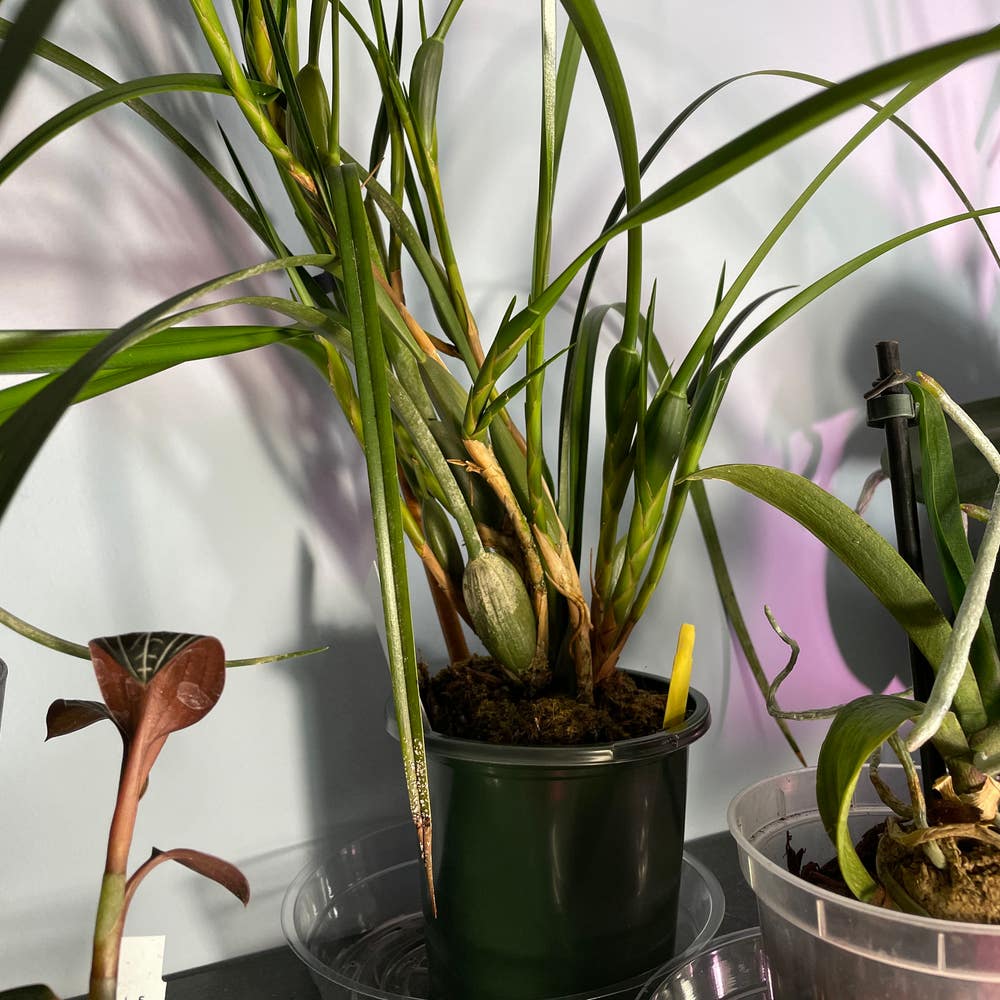
Step-by-Step Guide to Fertilizing Your Wild Coco 🥥
Eulophia alta
By the Greg Editorial Team
Jan 06, 2025•5 min read
This article was created with the help of AI so we can cover more plants for you. May contain errors. See one? Report it here.
- 🌱 Organic and synthetic fertilizers both nurture Wild Coco effectively; choose based on needs.
- 📊 Soil testing is vital for understanding nutrient levels and tailoring fertilization.
- ⏰ Fertilize in spring and rainy seasons for optimal growth; adjust based on plant needs.
Types of Fertilizers Suitable for Wild Coco
🌱 Organic Fertilizers
Organic fertilizers are a fantastic choice for nurturing your Wild Coco. Compost, well-rotted manure, and seaweed extracts enrich the soil with essential nutrients while improving its structure.
Using compost enhances microbial activity, promoting healthy root development. Well-rotted manure provides a slow release of nutrients, ensuring your plants receive a steady supply over time. Seaweed extracts are rich in trace minerals and growth hormones, boosting overall plant health.
⚗️ Synthetic Fertilizers
Synthetic fertilizers can also be beneficial for Wild Coco, particularly NPK formulations. These fertilizers contain nitrogen (N), phosphorus (P), and potassium (K), which are crucial for plant growth.
When selecting synthetic options, look for balanced NPK ratios tailored to the specific needs of Wild Coco. These formulations can deliver quick results, making them ideal for addressing immediate nutrient deficiencies.
⏳ Slow-release vs. Fast-release Fertilizers
Choosing between slow-release and fast-release fertilizers depends on your care strategy for Wild Coco. Slow-release fertilizers gradually provide nutrients, reducing the risk of over-fertilization and promoting steady growth.
In contrast, fast-release fertilizers deliver nutrients quickly, which can be beneficial during peak growing seasons. However, they require careful monitoring to avoid nutrient burn, especially in sensitive plants like Wild Coco.
Understanding these options allows you to tailor your fertilization approach effectively, ensuring your Wild Coco thrives.
How to Choose the Right Fertilizer for Wild Coco
Assessing Soil Nutrient Levels 🌱
Before diving into fertilization, it's crucial to assess your soil's nutrient levels. Soil testing reveals what nutrients are present and what your Wild Coco needs for optimal growth.
Matching Fertilizer Type to Nutrient Requirements 🧪
Once you know your soil's nutrient profile, focus on matching the right fertilizer to your Wild Coco's specific needs. Pay special attention to potassium and magnesium, as these are vital for healthy growth and fruiting.
Reading Fertilizer Labels 📜
Understanding fertilizer labels is key to successful fertilization. Look for the N-P-K ratio, which indicates the levels of nitrogen, phosphorus, and potassium, helping you choose the right product for your Wild Coco's growth stage.
Choosing the right fertilizer is a blend of science and intuition. With the right approach, your Wild Coco will thrive, setting the stage for the next steps in your fertilization journey.
Application Methods for Fertilizing Wild Coco
🌾 Granular Fertilizers
Granular fertilizers are a straightforward choice for fertilizing Wild Coco. To apply, simply spread the granules evenly around the base of the plant, ensuring you maintain a safe distance from the stem to avoid root burn.
After spreading, incorporate the granules into the top layer of soil using a rake or your hands. This helps the nutrients penetrate the soil and reach the roots effectively.
💧 Liquid Fertilizers
Liquid fertilizers offer a more immediate nutrient boost for Wild Coco. Start by mixing the liquid fertilizer with water according to the manufacturer's instructions, ensuring you achieve the right dilution for optimal absorption.
When applying, use a watering can or a spray bottle to evenly distribute the solution around the plant. This method allows for quick uptake by the roots and can be especially beneficial during the growing season.
🍃 Foliar Feeding
Foliar feeding is a powerful technique that delivers nutrients directly to the leaves of Wild Coco. This method can be particularly effective for addressing specific nutrient deficiencies quickly.
To foliar feed, mix a diluted nutrient solution and spray it onto the leaves during the cooler parts of the day, such as early morning or late afternoon. This minimizes evaporation and maximizes absorption, ensuring your plant receives the nutrients it needs to thrive.
Transitioning from application methods, it's essential to consider the timing and frequency of fertilization to optimize growth and health for your Wild Coco.
Timing and Frequency of Fertilization
🌱 Best Time to Fertilize Wild Coco
The ideal times to fertilize your Wild Coco are early spring and during the rainy season. These periods align with the plant's natural growth cycles, ensuring that nutrients are available when they are most needed.
📅 Seasonal Fertilization Schedule
In spring, focus on using fertilizers that are rich in potassium and magnesium. Recommended products include balanced NPK formulations, applied at rates of about 1-2 pounds per 100 square feet.
During summer, Wild Coco experiences a growth spurt, so be prepared to increase nutrient applications. This is the time to provide additional feedings, as the plant's demand for nutrients peaks.
As fall approaches, it's wise to reduce or halt fertilization altogether. The plant's growth slows down, and excess nutrients can lead to problems during the colder months.
By following this seasonal schedule, you can ensure your Wild Coco thrives throughout the year. Next, let’s explore how to avoid over-fertilization and its potential pitfalls.
Avoiding Over-Fertilization
🌿 Symptoms of Over-Fertilization
Over-fertilization can wreak havoc on your Wild Coco plants. Look for signs like yellowing leaves, burnt leaf tips, and stunted growth, which indicate nutrient excess.
⚠️ How to Correct Over-Fertilization Issues
If you suspect over-fertilization, act quickly. Flushing the soil with water can help dilute excess nutrients and restore balance.
📅 Best Practices to Prevent Over-Fertilizing
To avoid over-fertilizing, establish a consistent fertilization schedule. Regularly monitor soil nutrient levels to ensure your Wild Coco gets just what it needs without excess.
By keeping an eye on these factors, you can maintain a healthy environment for your plants to thrive. Next, let’s explore the best times and frequency for fertilizing your Wild Coco.
⚠️ Safety First
This content is for general information and may contain errors, omissions, or outdated details. It is not medical, veterinary advice, or an endorsement of therapeutic claims.
Always consult a qualified healthcare professional before using any plant as food, medicine, or supplement.
Never eat any plant (or feed one to pets) without confirming its identity with at least two trusted sources.
If you suspect poisoning, call Poison Control (800) 222-1222, the Pet Poison Helpline (800) 213-6680, or your local emergency service immediately.
Spotted an error? Please report it here.
Transform your Wild Coco's growth with tailored fertilization tips 🌿 from Greg, ensuring you provide the right nutrients at the perfect time for thriving plants!