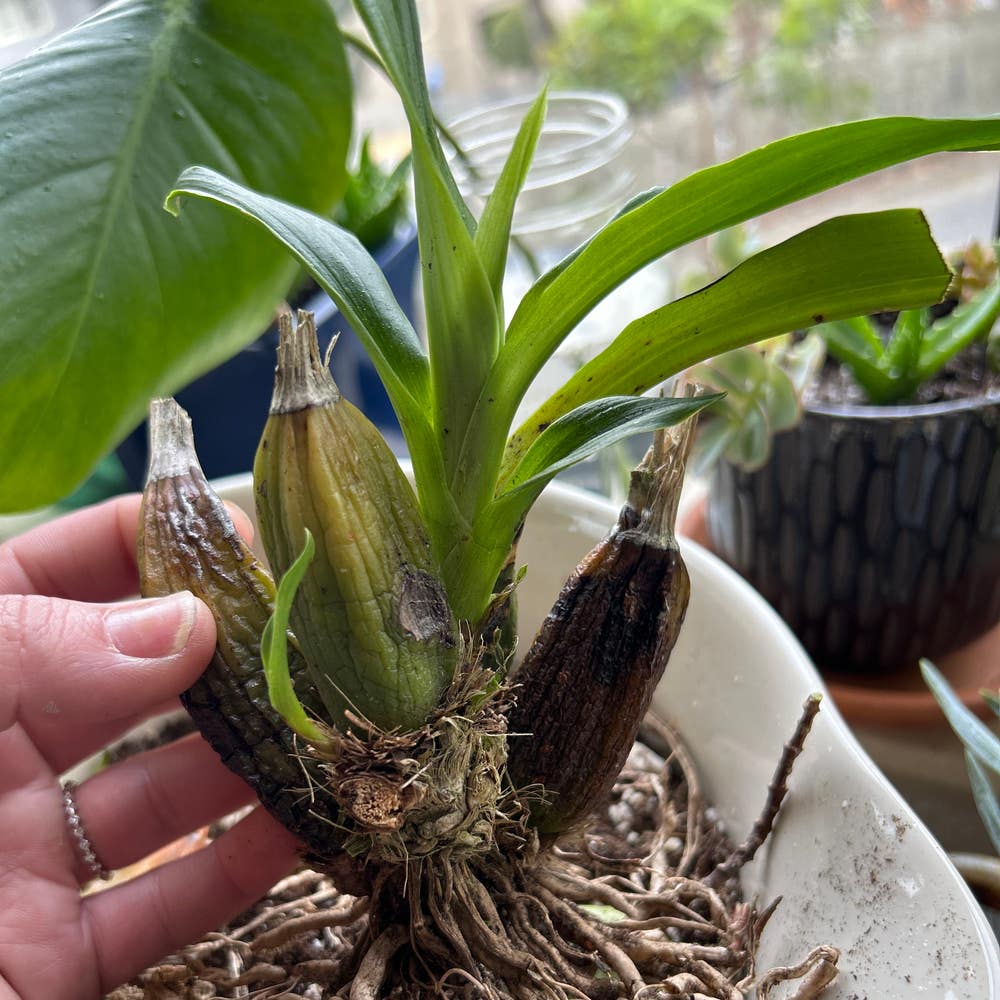
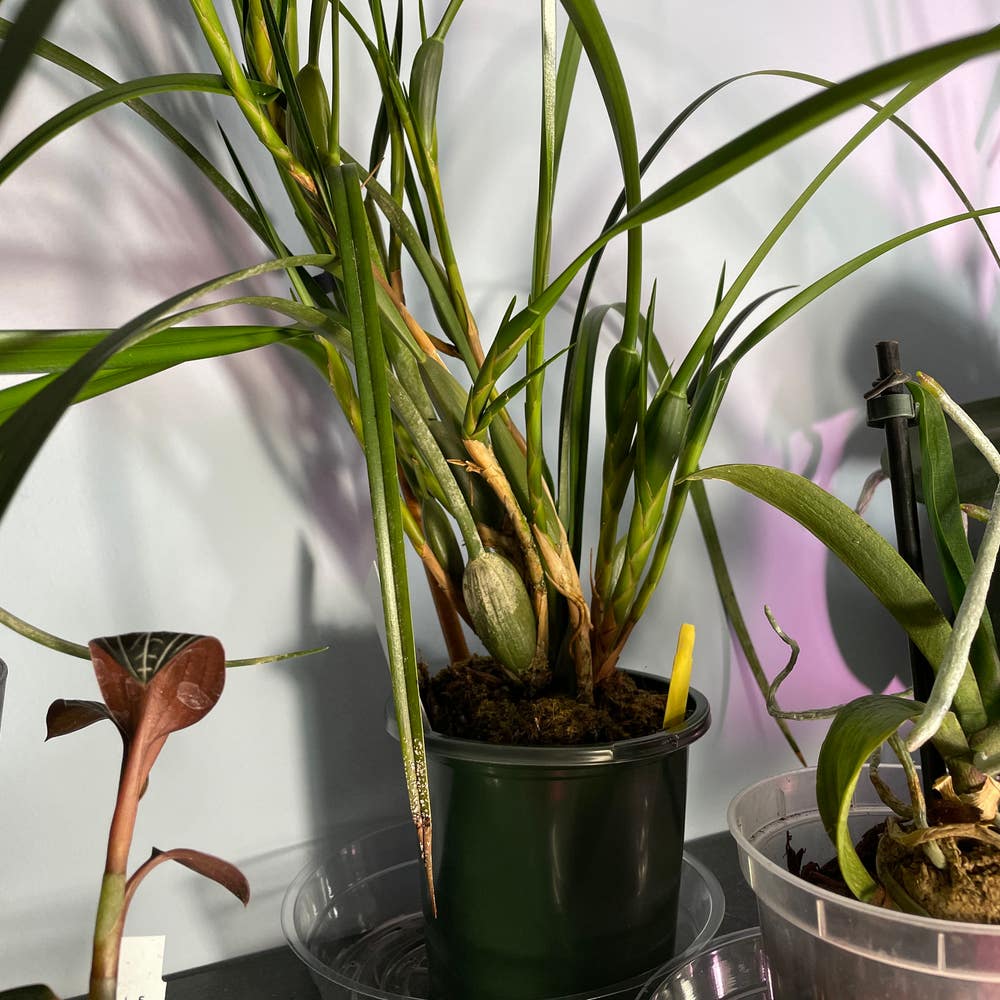
How to Fix Brown Spots on Your Wild Coco 🥥
Eulophia alta
By the Greg Editorial Team
Jan 06, 2025•4 min read
This article was created with the help of AI so we can cover more plants for you. May contain errors. See one? Report it here.
- 🌞 Brown spots arise from light issues, humidity, and poor soil drainage.
- 🌱 Nutrient deficiencies like nitrogen and potassium cause brown spots and stunted growth.
- 🐛 Pests like aphids and spider mites can damage Wild Coco, requiring prompt treatment.
Diagnosing the Problem
🌍 Environmental factors leading to brown spots
Brown spots on your Wild Coco can often be traced back to environmental factors.
Light Conditions
Understanding light conditions is crucial. Direct sunlight can scorch the leaves, while insufficient light can hinder growth, leading to brown spots.
Humidity Levels
Humidity plays a significant role in your plant's health. Maintaining adequate moisture in the air helps prevent stress and promotes vibrant foliage.
Soil Drainage
Soil drainage is another critical factor. Poor drainage can lead to waterlogging, which suffocates roots and causes brown spots to appear.
🥦 Nutrient deficiencies and their impact on leaf health
Nutrient deficiencies can severely impact the health of your Wild Coco.
Signs of Nutrient Deficiencies
Look for signs like yellowing leaves, stunted growth, and, of course, those pesky brown spots. These symptoms indicate that your plant may be lacking essential nutrients.
Specific Nutrients to Monitor
Pay attention to key nutrients such as nitrogen, potassium, and magnesium. Each plays a vital role in maintaining leaf health and overall plant vigor.
Soil Testing
Conducting a soil test is a straightforward way to assess nutrient levels. This will help you determine what your Wild Coco needs to thrive.
🐛 Common pests affecting Wild Coco leaves
Pests can also be a significant issue for Wild Coco plants.
Identifying Pests
Common culprits include aphids, spider mites, and scale insects. Identifying these pests early can save your plant from serious damage.
Symptoms of Pest Damage
Watch for distorted leaves, sticky residue, and webbing. These signs indicate that your Wild Coco is under attack and needs immediate attention.
Pest Control for Wild Coco
Effective pest control is essential. Recommended treatments include insecticidal soaps and neem oil, which can help manage infestations and protect your plant.
By diagnosing these issues early, you can take proactive steps to restore your Wild Coco to its former glory. Next, let’s explore treatment options to address those brown spots effectively.
Treatment Options
Step-by-step guide to treating brown spots 🌱
Treating brown spots on your Wild Coco starts with identifying the cause. Assess environmental conditions and inspect for pests to pinpoint the issue.
Next, adjust your watering practices. Ensure proper drainage and avoid overwatering to promote healthy roots.
Finally, apply appropriate treatments. Use fungicides for fungal infections and fertilizers to address any nutrient deficiencies.
Recommended products for leaf treatment 🛒
When it comes to fungicides, choose products specifically designed for treating fungal infections. Follow the application instructions carefully to ensure effectiveness.
For nutrient deficiencies, select fertilizers that cater to the specific needs of Wild Coco. Look for balanced formulas that include nitrogen, potassium, and magnesium.
Insecticides can also be crucial for pest control. Opt for effective products that target common pests like aphids and spider mites.
Natural remedies for brown spots on Wild Coco 🌿
Consider homemade sprays as a natural approach to pest management. Neem oil and soap solutions can effectively deter unwanted insects without harsh chemicals.
Additionally, organic fertilizers like compost and natural amendments can significantly improve soil health. These options not only nourish your plant but also promote a sustainable gardening practice.
With these treatment options, your Wild Coco can thrive again. Next, let’s explore preventive measures to keep your plant healthy and vibrant.
Preventive Measures
🌊 Best practices for watering Wild Coco
Watering your Wild Coco correctly is crucial for its health. Aim to keep the soil consistently moist but not soggy; typically, watering once a week is sufficient.
Watch for signs of overwatering, such as yellowing leaves or a mushy stem. If you notice these symptoms, reduce your watering frequency to allow the soil to dry out.
Ensure your pots have drainage holes to prevent waterlogging. Using well-draining soil will also help maintain the right moisture levels.
☀️ Optimal light and humidity conditions
Wild Coco thrives in bright, indirect sunlight. Direct sunlight can scorch its leaves, so find a spot where it can bask in filtered light.
Humidity is equally important; aim to maintain levels between 50-70%. You can achieve this by misting the leaves or placing a humidifier nearby.
🔍 Regular maintenance and inspection routines
Routine checks are essential for catching problems early. Inspect your Wild Coco's leaves weekly for any signs of distress, such as discoloration or spots.
Pruning affected leaves can promote new growth and improve overall plant health. Use clean, sharp scissors to remove any damaged foliage, ensuring a tidy appearance and encouraging vitality.
By following these preventive measures, you can keep your Wild Coco healthy and vibrant. Next, let’s explore treatment options for those pesky brown spots if they do appear.
⚠️ Safety First
This content is for general information and may contain errors, omissions, or outdated details. It is not medical, veterinary advice, or an endorsement of therapeutic claims.
Always consult a qualified healthcare professional before using any plant as food, medicine, or supplement.
Never eat any plant (or feed one to pets) without confirming its identity with at least two trusted sources.
If you suspect poisoning, call Poison Control (800) 222-1222, the Pet Poison Helpline (800) 213-6680, or your local emergency service immediately.
Spotted an error? Please report it here.
Keep your Wild Coco thriving 🌿 by using Greg's tailored care reminders to maintain optimal light, humidity, and nutrients, ensuring those pesky brown spots are a thing of the past!