✂️ Step-by-Step Guide to Pruning Wild Coco
Eulophia alta
By the Greg Editorial Team
Jan 06, 2025•5 min read
This article was created with the help of AI so we can cover more plants for you. May contain errors. See one? Report it here.
- 🌱 Prune wild coco in spring for optimal new growth and health.
- ✂️ Use proper tools like pruners and loppers to ensure effective pruning.
- 🌼 Regular deadheading boosts flowering and enhances your garden's appearance.
Best Time to Prune
🌱 Seasonal Considerations
Pruning wild coco is all about timing. Each season offers unique opportunities to shape your plant and promote healthy growth.
Spring: The Perfect Start
Spring is the prime time for pruning. This season is ideal for shaping your wild coco and preparing it for a burst of new growth.
Mid-Summer: Maintenance Mode
As summer hits its stride, you may notice excessive growth. Mid-summer is the time to manage this growth and maintain the plant's shape.
Fall: Preparing for Rest
In the fall, it's all about preparing your wild coco for dormancy. Light pruning is recommended to help the plant transition smoothly into the colder months.
Winter: A Time to Rest
Winter is not the time for pruning. Avoid cutting back during dormancy, as this can stress the plant and hinder its recovery come spring.
Understanding these seasonal considerations will help you maximize the health and beauty of your wild coco. With the right timing, your pruning efforts will yield vibrant results.
Tools Needed for Pruning
Essential Pruning Tools 🌿
When it comes to pruning wild coco, having the right tools is crucial for achieving the best results. Here’s a quick rundown of the essential pruning tools you’ll need.
Hand Pruners
Hand pruners are your go-to for small branches and fine detail work. They allow for precision cuts that promote healthy growth.
Loppers
For thicker branches that require more leverage, loppers are indispensable. Their long handles give you the strength needed to tackle those tougher limbs.
Pruning Saw
When you encounter larger limbs that need to be removed, a pruning saw is your best friend. It makes quick work of bigger cuts, ensuring a clean removal.
Safety Gear
Don’t forget about safety! Always wear gloves and eye protection to keep yourself safe during the pruning process. Protecting yourself is just as important as protecting your plants.
With these tools in hand, you're well-equipped to start your pruning journey. Next, let’s dive into the step-by-step instructions for pruning wild coco effectively.
Step-by-Step Pruning Instructions
Pruning wild coco is a rewarding task that promotes healthy growth. Follow these easy steps to get started.
Assess the Plant's Shape and Health 🌿
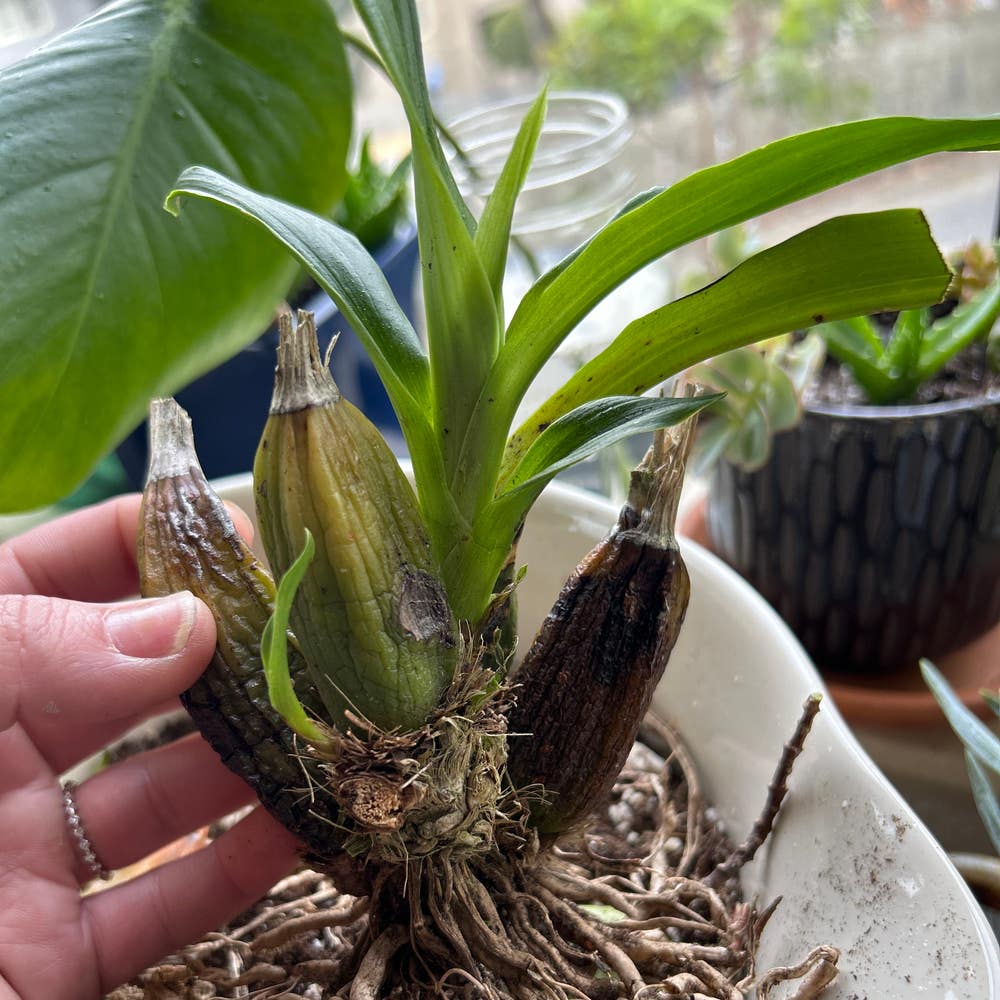
Begin by examining your wild coco plant. Look for any signs of disease, damage, or overcrowding that may need attention.
Gather Necessary Tools and Safety Equipment 🛠️
Collect your essential pruning tools: hand pruners, loppers, and a pruning saw. Don’t forget your safety gear, including gloves and eye protection, to keep yourself safe during the process.
Clean Tools to Prevent Disease Transmission 🧼
Before you start, ensure your tools are clean. This simple step helps prevent the spread of diseases between plants.
Pruning Techniques
Once you're ready, it's time to dive into the actual pruning techniques. These methods will help you maintain a healthy and attractive plant.
Remove Dead or Damaged Branches First ✂️
Start by cutting away any dead or damaged branches. This not only improves the plant's appearance but also encourages new growth.
Thin Out Crowded Areas 🌬️
Next, focus on thinning out crowded areas. This enhances air circulation, reducing the risk of disease and promoting overall plant health.
Shape the Plant 🎨
To shape your wild coco, cut back to healthy buds or branches. This technique encourages a more balanced and aesthetically pleasing form.
Maintain a Balanced Shape ⚖️
Finally, ensure you prune evenly around the plant. A balanced shape not only looks better but also supports healthy growth.
With these steps and techniques, you're well on your way to mastering the art of pruning wild coco. Next, let’s explore how to effectively deadhead your plants for even more vibrant blooms.
How to Deadhead
🌼 Importance of Deadheading
Deadheading is a crucial practice for maintaining the health and beauty of your wild coco plants. By removing spent flowers, you not only encourage more vigorous flowering and fruiting but also enhance the overall appearance of your plants.
✂️ Deadheading Instructions
- Start by identifying spent flowers and clusters of berries that have wilted or faded.
- Grab your clean pruners and cut back to the nearest healthy leaf or bud, ensuring a clean cut for optimal growth.
- Make it a habit to deadhead every few weeks during the blooming season to keep your plants thriving.
By incorporating deadheading into your regular maintenance routine, you'll see a noticeable improvement in both the health and aesthetics of your wild coco plants. This simple act can lead to a more vibrant garden, filled with lush blooms and abundant fruit.
Next, let’s dive into some common mistakes to avoid while pruning to ensure your plants stay in top shape!
Common Mistakes to Avoid
Pruning Errors 🌿
Pruning can be a rewarding experience, but it's easy to make mistakes that can harm your wild coco plants. Here are some common errors to watch out for.
Over-pruning
One of the biggest pitfalls is over-pruning. Removing too much foliage can stress the plant, leading to poor growth or even death. Always aim to keep enough leaves for photosynthesis.
Incorrect Timing
Timing is crucial when it comes to pruning. If you prune at the wrong season, you might hinder growth or damage the plant. Stick to the recommended seasonal guidelines for best results.
Neglecting Tool Maintenance
Using dirty or dull tools is another mistake that can have serious consequences. Not only does it make the job harder, but it can also damage the plant and spread diseases. Always clean and sharpen your tools before you start.
Final Thoughts 🌱
Avoiding these common mistakes will set you on the right path to successfully pruning your wild coco. With the right approach, you can enhance the health and beauty of your plants, ensuring they thrive for years to come. Now, let’s dive into how to effectively deadhead your wild coco for even better results!
⚠️ Safety First
This content is for general information and may contain errors, omissions, or outdated details. It is not medical, veterinary advice, or an endorsement of therapeutic claims.
Always consult a qualified healthcare professional before using any plant as food, medicine, or supplement.
Never eat any plant (or feed one to pets) without confirming its identity with at least two trusted sources.
If you suspect poisoning, call Poison Control (800) 222-1222, the Pet Poison Helpline (800) 213-6680, or your local emergency service immediately.
Spotted an error? Please report it here.
Pruning wild coco can elevate your garden's beauty, and with Greg's tailored reminders and expert pruning tips, you'll be ready to boost your plant's vitality 🌿 and enjoy a flourishing landscape all year long!