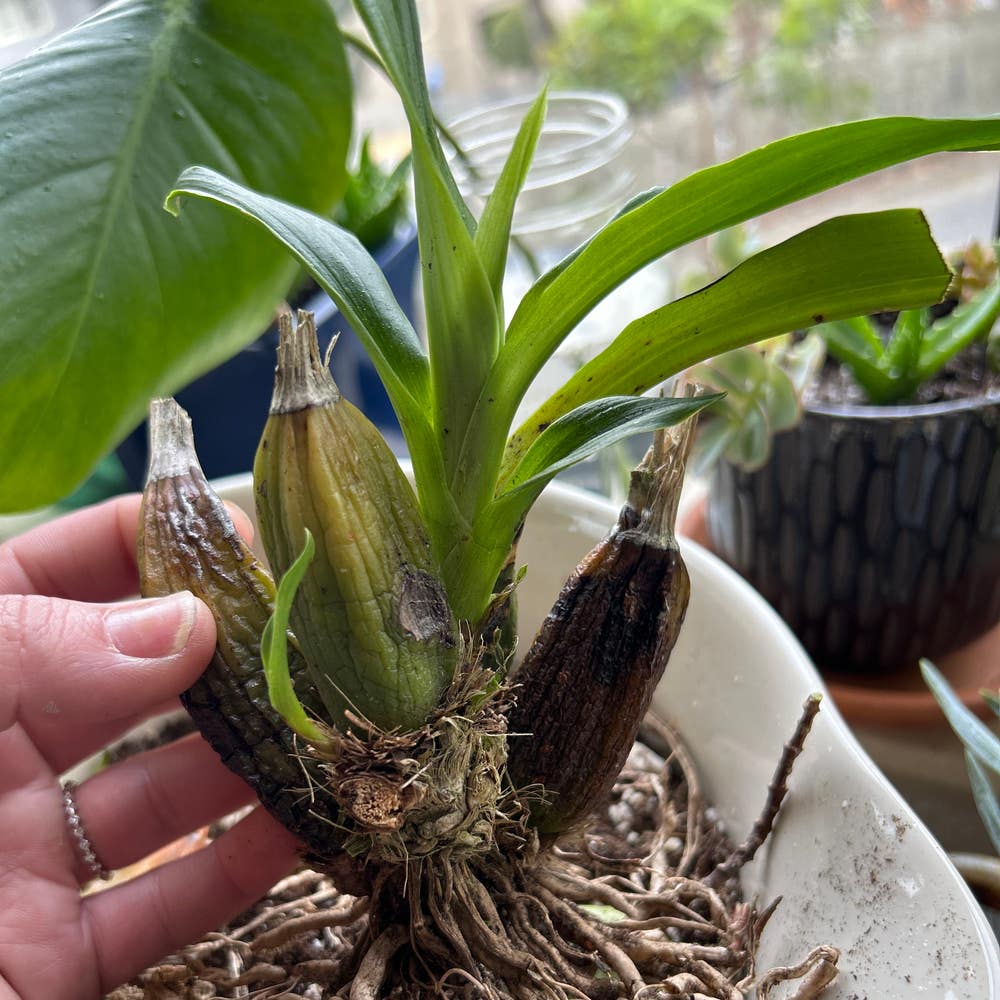
4 Benefits of Having a Wild Coco 🥥
Eulophia alta
By the Greg Editorial Team
Jan 06, 2025•4 min read
This article was created with the help of AI so we can cover more plants for you. May contain errors. See one? Report it here.
- 🌱 Wild coco is nutritious, packed with Vitamin C, potassium, and fiber for your diet.
- 🌿 This plant purifies air and attracts wildlife, enhancing biodiversity in your space.
- 🌍 Cultivating wild coco supports sustainability, boosting local economies and promoting environmental health.
Health Benefits
Nutritional Value 🍏
Wild coco is a powerhouse of nutrition. It's rich in vitamins and minerals, particularly high in Vitamin C, potassium, and dietary fiber.
Both the leaves and fruit are edible, offering essential nutrients that can enhance your diet. Incorporating these parts into your meals can boost your overall health.
Medicinal Properties 🌿
Historically, wild coco has been a staple in indigenous medicine, used to treat various ailments. Its traditional uses highlight its importance in natural healing practices.
The potential health benefits are impressive, too. With antioxidant properties, anti-inflammatory effects, and digestive support, wild coco can contribute positively to your well-being.
As you explore the health benefits of wild coco, consider how this remarkable plant can enhance both your diet and your health. Next, we’ll dive into the environmental benefits it offers.
Environmental Benefits
Air Purification 🌬️
Wild coco acts as a natural air filter. It absorbs pollutants and releases oxygen, significantly improving air quality in its surroundings.
Habitat for Wildlife 🦋
This plant is a haven for wildlife. Its vibrant flowers attract pollinators like bees and butterflies, which are essential for a thriving ecosystem.
Shelter for Birds and Small Mammals
The dense foliage of wild coco provides refuge for various birds and small mammals. This creates a mini-ecosystem that supports biodiversity and promotes a healthy environment.
Incorporating wild coco into your garden not only enhances its beauty but also contributes positively to the environment. Next, let's explore the aesthetic appeal of this remarkable plant.
Aesthetic Appeal
🌳 Landscaping Benefits
Wild Coco brings a vibrant touch to any garden with its lush foliage. The large leaves create a tropical ambiance, instantly transforming outdoor spaces into serene retreats.
Its versatility shines through in design applications. Whether used as a striking focal point or integrated into a mixed planting scheme, Wild Coco enhances the overall aesthetic of landscapes.
🏡 Decorative Uses
Indoors, Wild Coco thrives in humid environments, making it an excellent choice for houseplants. Its ability to flourish in such conditions allows you to bring a slice of nature inside.
The unique fruit of the Wild Coco adds visual interest to any arrangement. This distinctive feature not only beautifies your space but also serves as a conversation starter, showcasing your appreciation for unique flora.
With its appealing characteristics, Wild Coco is a fantastic addition to both gardens and homes. Next, let’s explore the cultural significance of this remarkable plant.
Cultural Significance
Historical Uses 🌿
The wild coco has deep roots in the traditions of various indigenous cultures. It has been used in ceremonies, symbolizing prosperity and connection to the earth.
Symbolism 💰
In folklore, the wild coco represents abundance, often linked to wealth and fertility. Its presence in local myths and legends enhances community identity, weaving a rich tapestry of cultural significance.
The stories surrounding this plant not only celebrate its physical attributes but also reflect the values and beliefs of the communities that cherish it. By understanding these cultural ties, we can appreciate the wild coco beyond its physical benefits.
As we explore the next section, consider how these cultural elements contribute to the economic benefits of cultivating wild coco.
Economic Benefits
Potential for Local Markets 🍏
Having a wild coco can significantly boost local economies. The fruit and leaves are not just edible; they are also marketable products that can be sold in local markets, creating opportunities for small-scale farmers and vendors.
Sustainable Income 💰
One of the best aspects of cultivating wild coco is its low maintenance requirements. This makes it a cost-effective crop for gardeners, allowing them to generate sustainable income with minimal effort.
Incorporating wild coco into local agricultural practices can lead to economic growth while promoting environmental sustainability. As we explore the next section, we’ll delve into the cultural significance of this remarkable plant.
⚠️ Safety First
This content is for general information and may contain errors, omissions, or outdated details. It is not medical, veterinary advice, or an endorsement of therapeutic claims.
Always consult a qualified healthcare professional before using any plant as food, medicine, or supplement.
Never eat any plant (or feed one to pets) without confirming its identity with at least two trusted sources.
If you suspect poisoning, call Poison Control (800) 222-1222, the Pet Poison Helpline (800) 213-6680, or your local emergency service immediately.
Spotted an error? Please report it here.
Discover the amazing benefits of wild coco 🌿 and let Greg provide you with tailored care tips to ensure your plant thrives, enhancing both your health and your home!