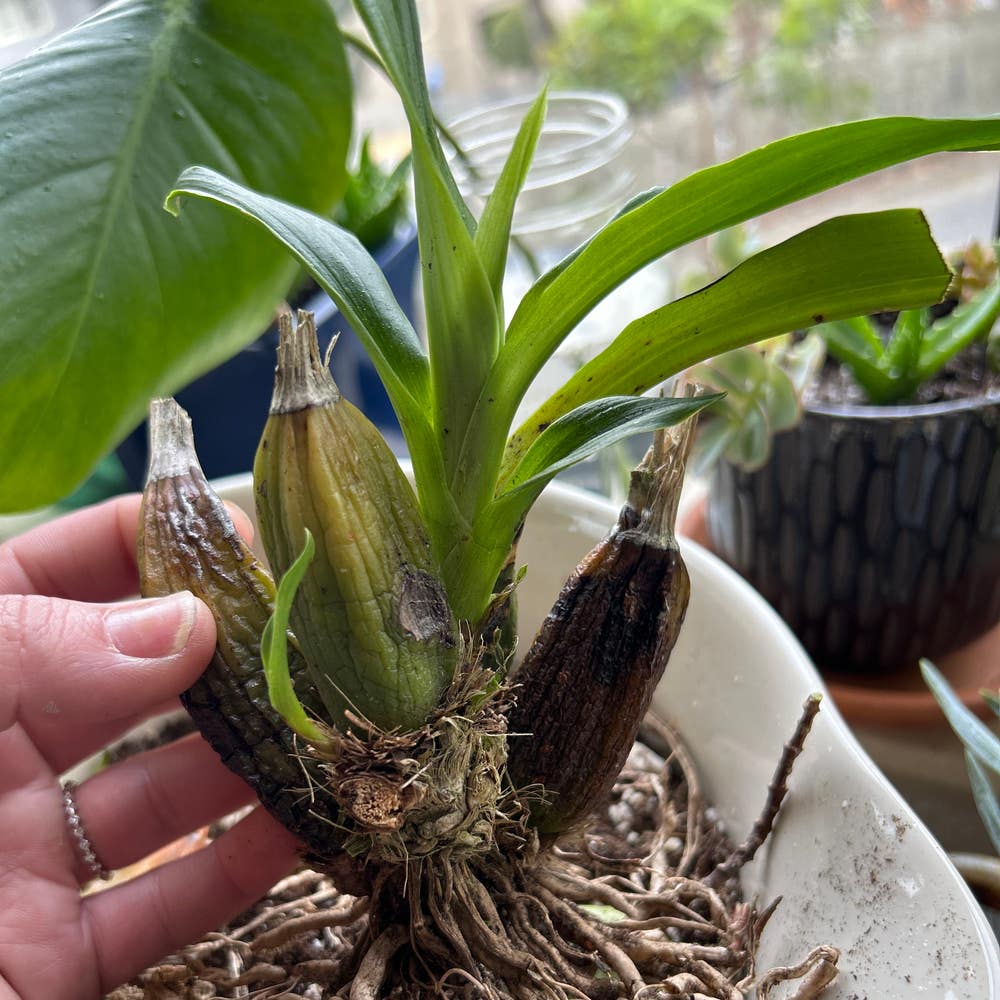
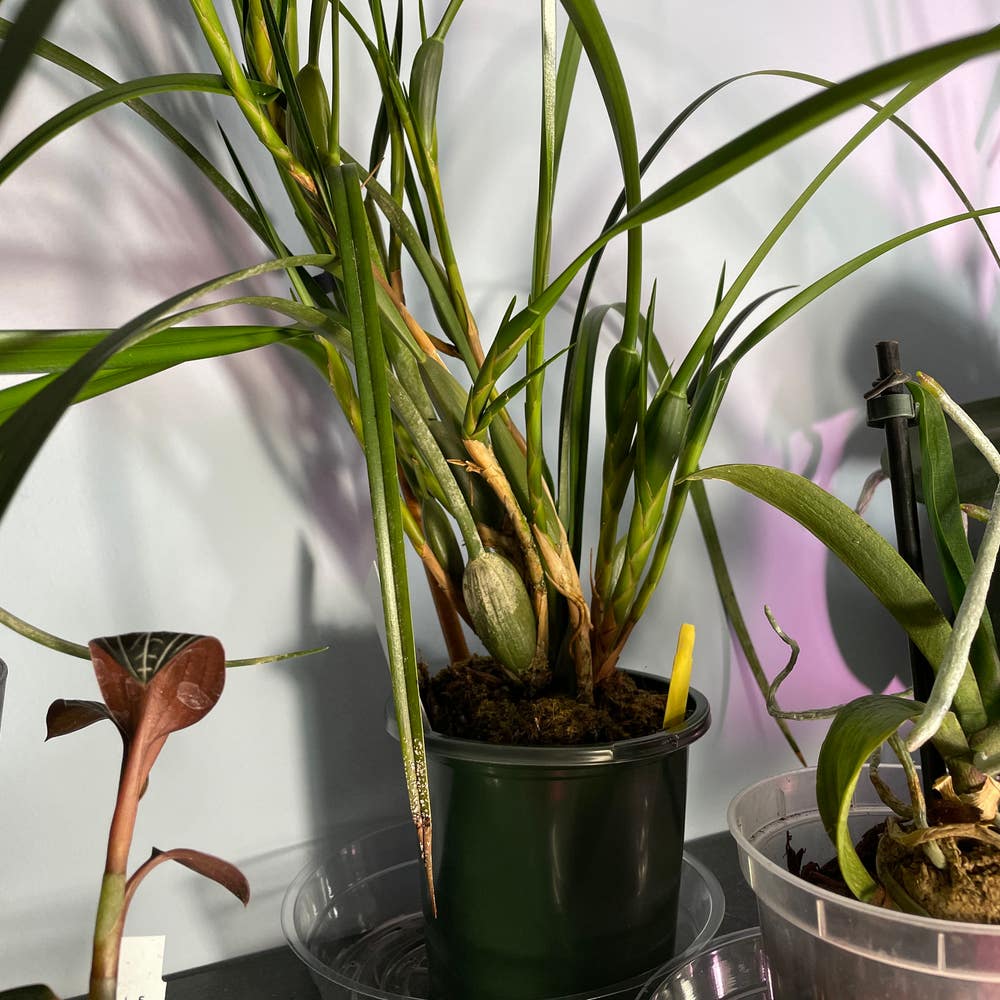
🌍 Ultimate Guide to Soil for Wild Coco
Eulophia alta
By the Greg Editorial Team
Jan 06, 2025•5 min read
This article was created with the help of AI so we can cover more plants for you. May contain errors. See one? Report it here.
- 🌱 Ideal soil mix for wild coco: 50% sandy soil, 30% compost, 20% perlite.
- 💧 Proper drainage and aeration prevent root rot and promote healthy growth.
- 🔍 Regular soil inspections every 2-3 months ensure nutrient levels and health.
Soil Composition
Ideal Soil Mix Components 🌱
Creating the perfect soil mix for wild coco starts with a sandy texture. This mimics their natural coastal habitat, ensuring excellent drainage.
Next, incorporate organic matter like compost or well-rotted manure. This addition enriches the soil with essential nutrients that promote healthy growth.
Organic vs. Inorganic Materials ⚖️
Understanding the difference between organic and inorganic materials is crucial. Organic materials improve soil structure and provide vital nutrients for plant health.
On the other hand, inorganic materials, such as perlite or vermiculite, help retain moisture and prevent soil compaction. This balance is key to a thriving soil ecosystem.
Importance of Aeration and Drainage 💨
Aeration is a game-changer for root health. Well-aerated soil prevents root rot and encourages robust root development.
Drainage is equally important, especially in humid conditions. Proper drainage prevents waterlogging, which can suffocate roots and hinder growth.
With these foundational elements in place, you can ensure your wild coco plants thrive in an optimal environment. Next, let’s explore the soil pH requirements to further enhance their growth potential.
Soil pH Requirements
Ideal pH Range 🌱
For wild coco plants, the ideal soil pH is slightly acidic to neutral, ideally between 6.0 and 7.0. This pH range ensures optimal nutrient availability and promotes healthy growth.
How to Test Soil pH 🔬
To determine your soil's pH, you can use soil testing kits available at garden centers or online. Simply follow the manufacturer’s instructions for accurate results.
Alternatively, a pH meter offers a quick and precise way to measure soil acidity. This tool can be a game-changer for maintaining the right conditions for your plants.
Adjusting Soil pH ⚖️
If your soil pH is too low, you can lower it by using elemental sulfur or peat moss. These amendments help create a more acidic environment that wild coco thrives in.
Conversely, if your soil is too alkaline, incorporating lime or wood ash can raise the pH. Adjusting your soil pH is crucial for ensuring your plants receive the nutrients they need.
Understanding and managing soil pH is essential for cultivating healthy wild coco. With the right pH levels, you set the stage for robust growth and vibrant plants.
Next, let’s explore how to identify unhealthy soil and its impact on your plants.
Identifying Unhealthy Soil
Signs of Unhealthy Soil 🌱
Recognizing unhealthy soil is crucial for maintaining vibrant plant life. One clear indicator is moldy soil, which appears as white or gray mold on the surface, signaling overwatering or poor drainage.
Another sign is soil compaction. If the soil feels hard and dense, it restricts root growth and water infiltration, making it difficult for your plants to thrive.
Effects of Unhealthy Soil ⚠️
Unhealthy soil can lead to stunted growth. When soil is compacted or moldy, plants struggle to absorb nutrients, resulting in poor development.
Additionally, root health issues arise from unhealthy soil conditions. Compacted soil increases the risk of diseases and pests, making your plants more vulnerable.
Common Soil Problems and Solutions 🛠️
For moldy soil, the first step is to improve drainage. Reducing watering frequency and removing affected soil can help restore a healthy environment.
If you’re dealing with compacted soil, aeration is key. Use a garden fork to loosen the soil or add organic matter to enhance its structure and promote better root growth.
By addressing these issues promptly, you can ensure your soil remains healthy and supportive for your plants.
Next, let’s explore how to create a homemade soil mix that promotes optimal growth.
Creating a Homemade Soil Mix
Step-by-Step Guide to Making Soil Mix 🌱
Creating your own soil mix is a straightforward process that can significantly benefit your wild coco plants. Start by gathering your materials: sandy soil, organic compost, perlite, and any necessary amendments.
Next, mix the components in the right ratios. Combine 50% sandy soil, 30% compost, and 20% perlite to create a balanced mix that promotes healthy growth.
Finally, it’s crucial to adjust the pH of your soil mix. Test the pH and amend it as necessary to achieve the ideal range for wild coco, which is slightly acidic to neutral.
Recommended Ratios of Ingredients 📏
To recap, here are the recommended ratios for your homemade soil mix:
- 50% sandy soil
- 30% organic compost
- 20% perlite or vermiculite
These ratios ensure that your soil has the right texture and nutrient content for optimal plant health.
Tips for Sourcing Materials 🛒
When sourcing your materials, consider visiting local garden centers. They often carry high-quality organic compost and perlite that can enhance your soil mix.
Alternatively, you can create your own compost from kitchen scraps and yard waste. This not only reduces waste but also provides a nutrient-rich addition to your soil mix, making it a sustainable choice for your gardening efforts.
With these steps and tips, you’re well on your way to creating a homemade soil mix that will support the growth of your wild coco plants. Next, let’s explore how to maintain and care for your soil to ensure it remains healthy and productive.
Soil Maintenance and Care
🌱 Regular Soil Checks and Amendments
To keep your soil healthy, inspect it every 2-3 months. Look for signs of compaction and check nutrient levels to ensure your wild coco thrives.
Adding organic matter annually is crucial for replenishing nutrients. This simple step can make a significant difference in soil health and plant growth.
🍂 Seasonal Considerations
In spring, it's time to test your soil pH. Make any necessary amendments before the growing season kicks off to give your plants the best start.
As fall approaches, incorporate compost into your soil. This prepares it for winter and enriches it for the next growing season.
🌿 Best Practices for Repotting
Repotting should occur every 2-3 years or when your plants become root-bound. This ensures they have enough space to grow and access fresh nutrients.
When repotting, gently remove the old soil and inspect the roots. Replace it with a fresh soil mix to give your plants a healthy boost.
By following these maintenance tips, you'll create a thriving environment for your wild coco, setting the stage for vibrant growth and resilience.
⚠️ Safety First
This content is for general information and may contain errors, omissions, or outdated details. It is not medical, veterinary advice, or an endorsement of therapeutic claims.
Always consult a qualified healthcare professional before using any plant as food, medicine, or supplement.
Never eat any plant (or feed one to pets) without confirming its identity with at least two trusted sources.
If you suspect poisoning, call Poison Control (800) 222-1222, the Pet Poison Helpline (800) 213-6680, or your local emergency service immediately.
Spotted an error? Please report it here.
Create a thriving soil mix 🌱 for your wild coco plants with Greg's tailored tips and reminders to keep them healthy and vibrant!