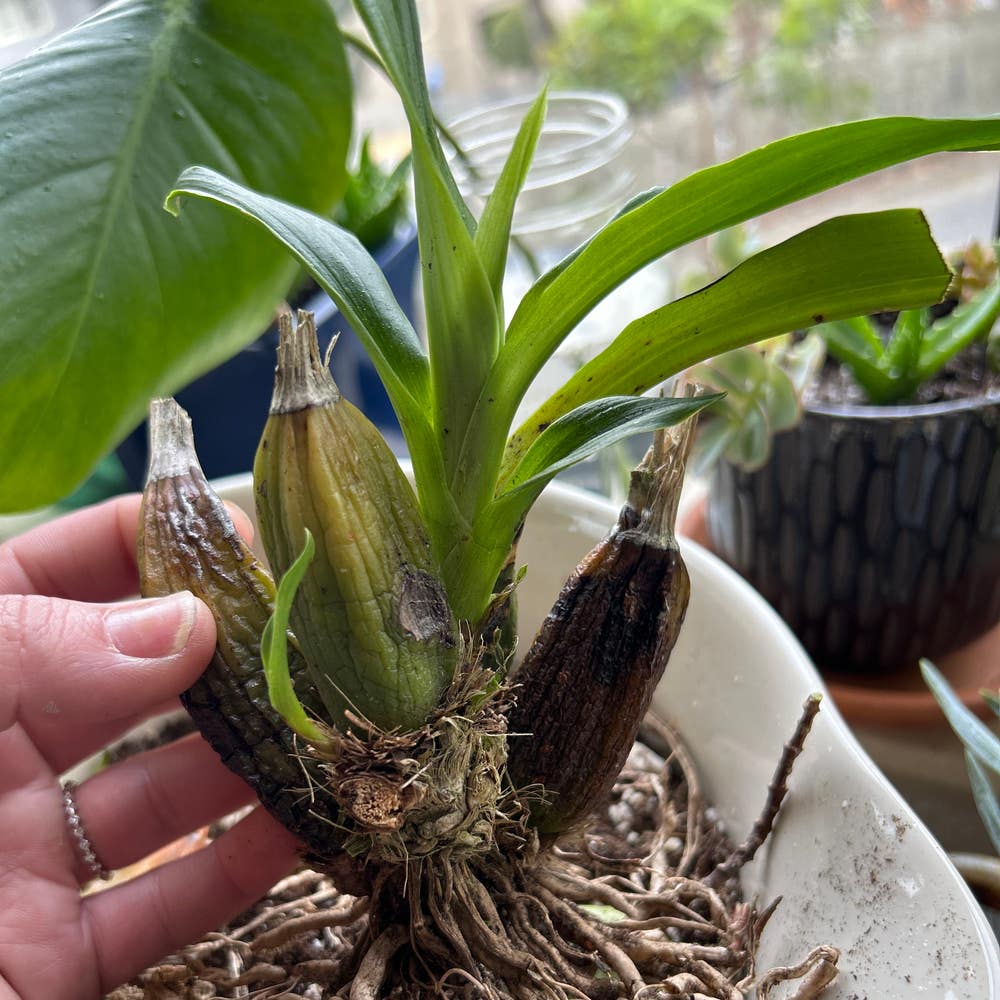
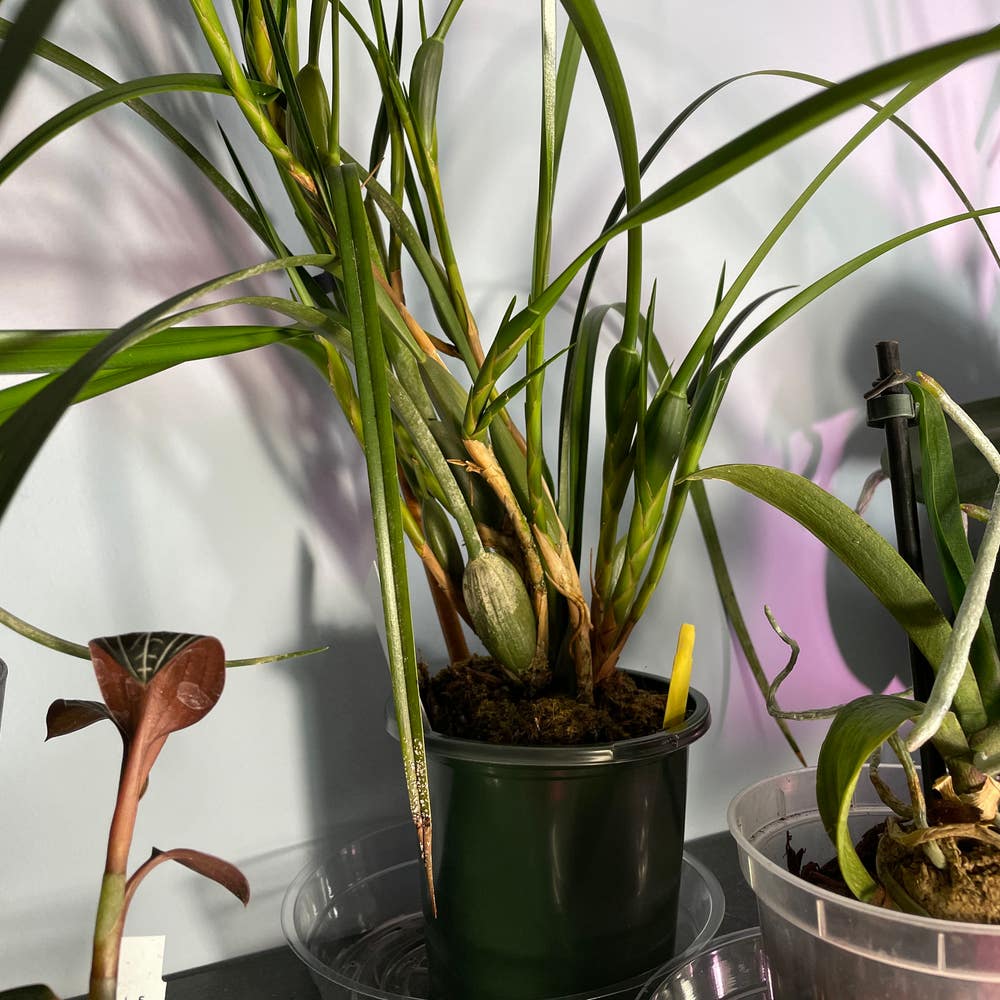
Best Light Conditions for Wild Coco ☀️
Eulophia alta
By the Greg Editorial Team
Jan 06, 2025•4 min read
This article was created with the help of AI so we can cover more plants for you. May contain errors. See one? Report it here.
- 🌞 Wild coco needs 6-8 hours of bright, indirect sunlight daily for optimal growth.
- 🪴 Use grow lights if natural light is insufficient, especially in darker months.
- 🌅 South or west-facing windows provide the best natural light for wild coco.
Ideal Light Conditions for Indoor Growth
Optimal Indoor Lighting 🌞
For wild coco to thrive indoors, it needs bright, indirect sunlight for about 6-8 hours daily. The best spots are near south or west-facing windows, where it can soak up the sun without being scorched.
Indoor Plant Lighting Options 💡
When natural light isn't enough, consider using grow lights. The top choices include LED, fluorescent, and incandescent options, with an ideal light intensity of 200-400 foot-candles to ensure robust growth.
Adjusting Indoor Light Conditions 🔄
As seasons change, so should your plant's light exposure. During winter months, increase the light it receives, and consider using sheer curtains to soften any harsh sunlight that might come through.
These adjustments will help keep your wild coco healthy and vibrant, no matter the season.
Ideal Light Conditions for Outdoor Growth
🌞 Optimal Outdoor Lighting
For wild coco to thrive, it requires full sun exposure for at least 6 hours daily. This means finding a spot in your garden or yard that’s free from the shadows of trees or buildings.
🌳 Shade Tolerance
While wild coco can adapt to partial shade, it may not flower as abundantly in these conditions. If you're in a coastal area or have a garden that enjoys ample sunlight, those are ideal planting sites for your wild coco.
Ensuring your plant gets the right amount of light is crucial for its health and flowering potential. With the right outdoor conditions, you’ll set your wild coco up for success!
Effects of Insufficient Light on Wild Coco
🌱 Signs of Insufficient Light
When Wild Coco doesn't get enough light, it shows clear symptoms. You might notice stunted growth, a leggy appearance, and yellowing leaves.
These signs indicate that the plant is struggling. Over time, insufficient light can lead to reduced vigor and overall health, making it more susceptible to pests and diseases.
💡 Mitigation Strategies
To help your Wild Coco thrive, consider relocating it to a brighter area. A spot with more natural light can make a significant difference.
If moving the plant isn’t an option, supplementing with grow lights can be a game-changer. This ensures your plant receives the light it needs, especially during those darker months.
By addressing light deficiencies promptly, you can keep your Wild Coco healthy and flourishing. Now, let’s explore how light influences flowering in these beautiful plants.
Role of Light in Flowering
🌼 Influence of Light on Flowering
Light plays a crucial role in the flowering process of wild coco. Consistent light exposure is essential for triggering the flowering phase, ensuring that the plant receives the energy it needs to produce blooms.
Adequate light conditions can significantly enhance flowering. When wild coco is provided with the right amount of light, it not only encourages more blooms but also improves their quality, making for a more vibrant display.
In summary, ensuring your wild coco receives sufficient light is key to a flourishing plant. By prioritizing light exposure, you set the stage for a stunning floral show.
As we move forward, let’s explore how to maximize indoor lighting options to support this beautiful flowering process.
Recommendations for Using Grow Lights Indoors
🌟 Benefits of Grow Lights
Grow lights are a game-changer for indoor gardening. They enhance light availability during low-light conditions, ensuring your wild coco thrives even when natural sunlight is scarce.
Additionally, these lights support growth during winter months or in less sunny locations. This means you can keep your plants healthy and vibrant year-round, regardless of the weather outside.
💡 Choosing the Right Grow Light
When it comes to selecting grow lights, full-spectrum LED options are the best choice. They provide a balanced light spectrum that mimics natural sunlight, promoting optimal growth.
Placement is crucial too; position your grow lights 12-24 inches above the plant for the best coverage. This height allows for effective light distribution without overwhelming your plants.
⏰ Timing and Duration
For optimal growth, aim for a light duration of 12-14 hours per day. This consistent exposure helps your wild coco flourish and encourages healthy development.
Using timers can simplify this process, ensuring your plants receive the right amount of light every day. With a little planning, you can create the perfect indoor environment for your wild coco to thrive.
As you set up your grow lights, remember that the right conditions can make all the difference in your plant's health and flowering potential. Next, let’s explore how light influences flowering in wild coco.
⚠️ Safety First
This content is for general information and may contain errors, omissions, or outdated details. It is not medical, veterinary advice, or an endorsement of therapeutic claims.
Always consult a qualified healthcare professional before using any plant as food, medicine, or supplement.
Never eat any plant (or feed one to pets) without confirming its identity with at least two trusted sources.
If you suspect poisoning, call Poison Control (800) 222-1222, the Pet Poison Helpline (800) 213-6680, or your local emergency service immediately.
Spotted an error? Please report it here.
Give your wild coco the light it loves ☀️ by using Greg's tailored reminders to ensure it gets the perfect 6-8 hours of sunlight for stunning blooms!