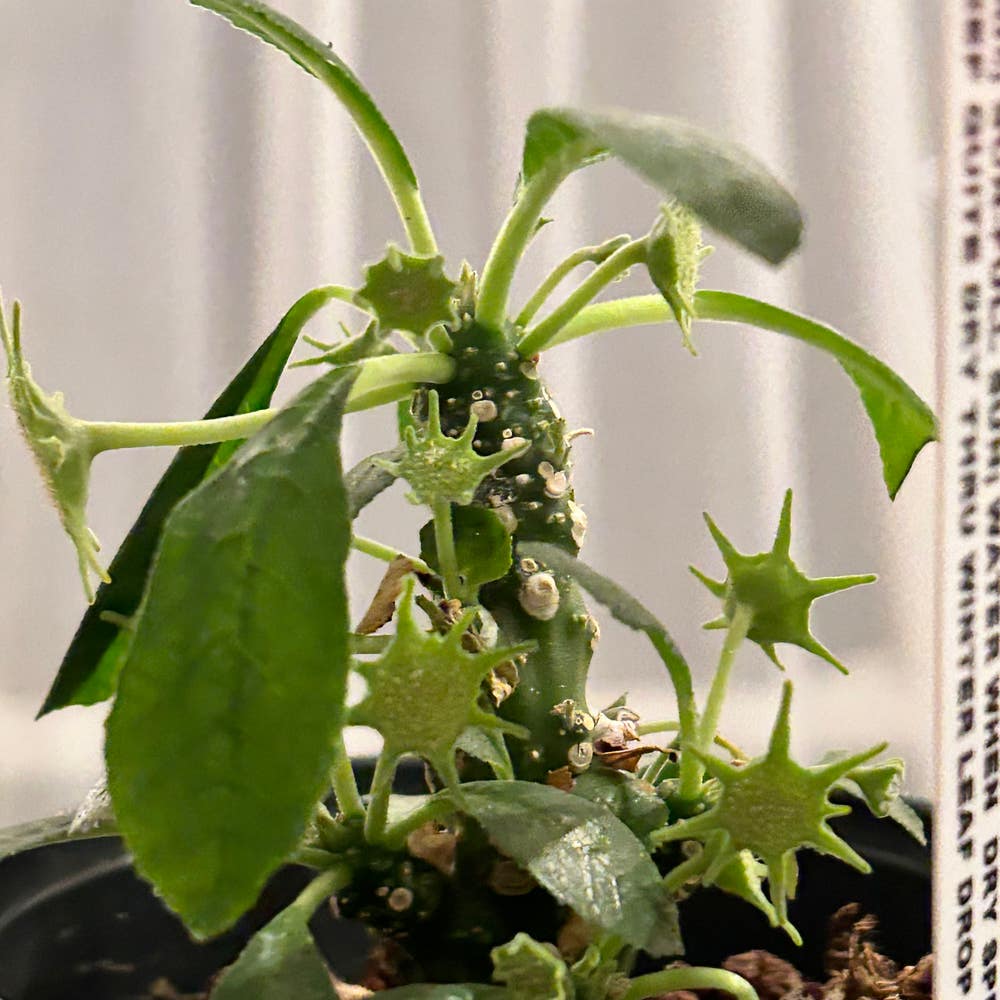
🗺️ 7 Perfect Spots to Grow Horwood's Dorstenia
Dorstenia horwoodii
By the Greg Editorial Team
Sep 30, 2024•3 min read
This article was created with the help of AI so we can cover more plants for you. May contain errors. See one? Report it here.
- 🌞 Horwood's Dorstenia thrives in bright, indirect light; full sun with caution is possible.
- 🌱 Well-draining, organic-rich soil with pH 6.0-7.0 is essential for healthy growth.
- 🌬️ Wind protection and proper spacing enhance air circulation, reducing disease risk.
Ideal Locations for Horwood's Dorstenia
☀️ Sunlight Exposure Requirements
Horwood's Dorstenia thrives best in bright, indirect light. While it can tolerate full sun, be cautious of leaf scorch; partial shade is acceptable but may slow growth.
Seasonal adjustments are essential. Monitor how sunlight patterns change throughout the year to optimize exposure.
🌱 Soil Type Preferences
For optimal growth, Horwood's Dorstenia needs well-draining soil rich in organic matter. Aim for a pH range between 6.0 and 7.0, which is slightly acidic to neutral.
To enhance soil quality, incorporate compost or peat moss. Avoid heavy clay soils, as they can retain too much moisture and hinder growth.
🌳 Proximity to Other Plants and Structures
Spacing is crucial for healthy growth. Maintain a distance of 12-18 inches from other plants to ensure adequate air circulation and reduce the risk of fungal diseases.
Consider planting near walls or fences for added warmth. However, steer clear of areas shaded by nearby trees or buildings, as this can stunt growth.
📍 Assessing the Best Spot
🔍 Evaluating Microclimates
Understanding microclimates in your garden can significantly impact your plant's health. Identify warm spots, like those near stone walls or patios, which absorb heat, and cooler shaded areas that may hinder growth.
Use tools like thermometers and moisture meters to assess these conditions effectively.
🌬️ Wind Protection Strategies
Wind protection is vital for reducing stress on Horwood's Dorstenia. Strong winds can damage leaves and hinder growth.
Consider using windbreaks, such as hedges or fences, to shield your plants. Planting in sheltered areas near taller plants or structures can also provide protection.
🚿 Drainage Needs
Proper drainage is essential for Horwood's Dorstenia. Signs of poor drainage include standing water after heavy rain, which can lead to root rot.
To improve drainage, consider raised beds or planting in mounds. This ensures healthy growth and prevents waterlogging.
🌞 Specific Location Needs
🌤️ Shade Tolerance vs. Sun Requirements
Finding the right balance between shade tolerance and sun exposure is key. While Horwood's Dorstenia can survive in low light, it prefers brighter conditions.
Too much direct sunlight can cause leaf burn, so monitor light exposure throughout the year for optimal growth.
🌸 Seasonal Considerations for Planting
The best time to plant Horwood's Dorstenia outdoors is in spring when temperatures begin to warm. For indoor planting, you can do so year-round, but keep an eye on humidity levels.
Adjust care based on the seasons, especially protecting your plants from frost during winter months.
🛠️ Practical Tips for Site Selection
🧪 Tools for Assessing Soil Conditions
To ensure optimal growing conditions, use soil test kits to check pH and nutrient levels. A trowel is handy for digging and examining soil texture.
Assessing your soil is crucial for the health of your plants.
🌞 Observing Sun Patterns in Your Garden
Tracking sunlight throughout the day can help you determine the best planting locations. Observe the differences between morning and afternoon light.
Using a sun chart can also help map light exposure over the seasons, allowing you to adjust planting locations for optimal growth of Horwood's Dorstenia.
With these insights, you’re well-equipped to create the perfect environment for your Horwood's Dorstenia to flourish!
⚠️ Safety First
This content is for general information and may contain errors, omissions, or outdated details. It is not medical, veterinary advice, or an endorsement of therapeutic claims.
Always consult a qualified healthcare professional before using any plant as food, medicine, or supplement.
Never eat any plant (or feed one to pets) without confirming its identity with at least two trusted sources.
If you suspect poisoning, call Poison Control (800) 222-1222, the Pet Poison Helpline (800) 213-6680, or your local emergency service immediately.
Spotted an error? Please report it here.
Maximize your Horwood's Dorstenia's growth potential by using Greg's tailored watering reminders and soil tips 🌱 to create the perfect environment for your plant!