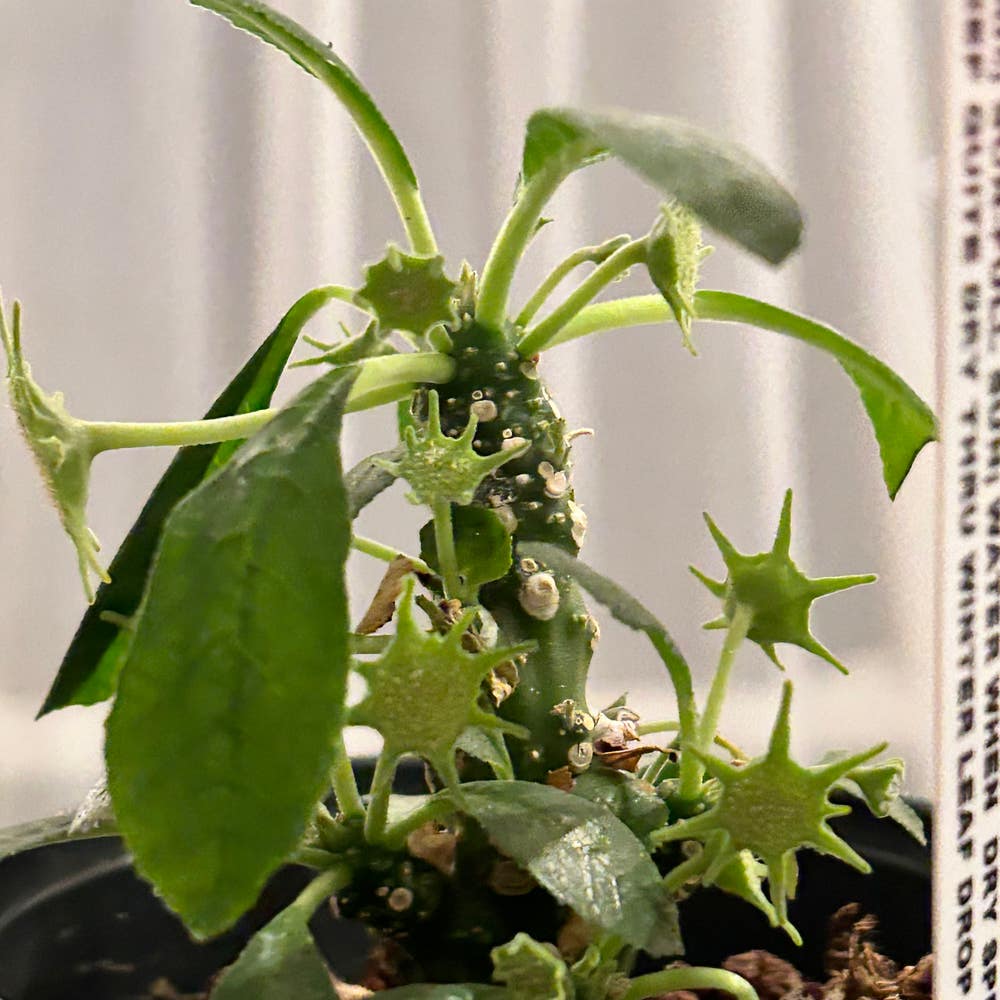
Best Tips for Healthy Horwood's Dorstenia Roots 🥕
Dorstenia horwoodii
By the Greg Editorial Team
Sep 30, 2024•6 min read
This article was created with the help of AI so we can cover more plants for you. May contain errors. See one? Report it here.
- 🌱 Healthy roots absorb nutrients and water effectively, promoting plant vitality.
- 💧 Consistent moisture prevents root rot; use well-draining soil for best results.
- 🔍 Regular checks for root health and pests ensure thriving Horwood's Dorstenia.
Root System Type
Type of Root System 🌱
Horwood's Dorstenia boasts a fibrous root system. This means it has a dense network of thin roots that spread horizontally, creating a robust foundation for the plant.
The advantages of this system are significant. It allows for efficient nutrient and water absorption while providing stability across various soil types.
Specific Characteristics 🌍
One of the standout features of these roots is their adaptability. They can adjust to different soil conditions, which enhances the plant's resilience in fluctuating environments.
Additionally, the high surface area of the roots facilitates effective absorption of water and nutrients. This characteristic is crucial for the overall health and vigor of the plant, ensuring it thrives even in less-than-ideal conditions.
Understanding these root characteristics is essential for anyone looking to cultivate a healthy Horwood's Dorstenia. With this knowledge, you can better care for your plant and set it up for success.
Next, let’s explore the root depth and growth patterns that further influence plant care.
Root Depth and Growth Patterns
Typical Root Depth and Spread 🌱
Horwood's Dorstenia roots typically reach an average depth of 12-18 inches (30-45 cm) in their natural habitat. Depending on soil conditions, their spread can extend up to 2 feet (60 cm) wide, showcasing their adaptability.
Growth Patterns and Care Implications 📈
These roots grow rapidly when conditions are favorable, which significantly influences your watering and fertilization schedules. Understanding their spread is crucial for selecting the right pot sizes and effective transplanting techniques, ensuring your plant thrives.
By keeping an eye on these growth patterns, you can better cater to the needs of your Horwood's Dorstenia, leading to a healthier and more resilient plant. Next, let’s explore how to properly water and fertilize your Dorstenia to support its robust root system.
Watering and Fertilizing
🌱 How Root System Affects Watering Needs
Horwood's Dorstenia roots thrive in consistently moist soil, but they absolutely detest waterlogging. To keep your plant happy, aim for regular watering while ensuring the soil drains well.
Monitoring soil moisture is key. A moisture meter can be your best friend here, helping you determine when it's time to water without the guesswork.
🧪 Fertilization Techniques
When it comes to fertilizing, a monthly schedule during the growing season works wonders. This routine supports robust root development and overall plant health.
Opt for balanced NPK fertilizers. They provide the essential nutrients your Dorstenia needs to flourish, ensuring those roots stay strong and ready to absorb everything they require.
Understanding these watering and fertilizing techniques will set you on the path to a thriving Horwood's Dorstenia. Next, let’s explore common root-related issues that can arise and how to tackle them effectively.
Common Root-Related Issues
🕵️♂️ Identification of Common Problems
Root health is crucial for the overall vitality of Horwood's Dorstenia. One of the most common issues is root rot, which manifests through yellowing leaves and stunted growth. If you notice these symptoms, it’s a red flag that your plant might be struggling.
Another concern is pests, particularly nematodes and root aphids. These pests can wreak havoc on your roots, leading to poor nutrient uptake and overall plant decline. Keeping an eye out for these issues is essential for maintaining a healthy plant.
🛠️ Prevention and Solutions
Preventing root-related problems starts with the right soil. Ensure you use well-draining soil to avoid waterlogging, which is a primary cause of root rot. Regularly check your watering habits to maintain consistent moisture without overdoing it.
If you do encounter root rot, act quickly. Treat it with fungicides and focus on improving drainage in your pot. For pest issues, consider using organic insecticides to manage nematodes and root aphids effectively.
By staying proactive about these common root-related issues, you can keep your Horwood's Dorstenia thriving and vibrant. Understanding these challenges will set you up for success as you continue your plant care journey.
Indicators of Root Health
👀 Visual Cues for Healthy vs. Unhealthy Roots
Healthy roots are a sight to behold. They should feel firm and exhibit a white or light tan color, signaling vitality and strength.
In contrast, unhealthy roots tell a different story. Look for dark, mushy textures, foul odors, or visible pests, which are clear indicators that something is amiss.
📊 Other Indicators
Beyond just the roots, the overall vigor of the plant is a crucial sign of health. A thriving plant showcases vibrant leaves and resilience against stress factors.
Additionally, the soil condition plays a significant role. Healthy roots thrive in well-aerated, nutrient-rich soil, creating a perfect environment for growth and stability.
Understanding these indicators empowers you to take proactive steps in maintaining your Horwood's Dorstenia. By keeping an eye on root health, you can ensure your plant remains robust and flourishing.
Next, let’s explore how to recognize and address rootbound conditions, which can hinder your plant's growth.
Recognizing and Addressing Rootbound Conditions
Definition and Signs 🌱
Rootbound conditions occur when a plant's roots grow in circles within the pot, restricting their growth. You can identify this issue if you notice roots emerging from drainage holes, stunted growth, or poor water absorption.
Solutions 🛠️
To tackle rootbound conditions, timing is key. Check for signs during seasonal repotting, which should happen every 1-2 years.
When you repot, choose a larger container to give those roots room to breathe. Gently loosen the roots and trim any that are excessively tangled or damaged. This simple process can rejuvenate your plant and promote healthier growth.
By staying vigilant about root health, you can ensure your Horwood's Dorstenia thrives. Next, let’s explore propagation and division techniques to expand your plant collection!
Propagation and Division
Importance of Root Health 🌱
Healthy roots are the backbone of successful propagation and division. Strong root systems not only support new plants but also enhance their resilience against stressors.
Techniques for Dividing and Propagating ✂️
When it comes to dividing Horwood's Dorstenia, the division method is key. Carefully separate clumps of roots, ensuring each section retains healthy roots for optimal growth.
Propagation Tips 💧
Use well-draining soil to prevent waterlogging, which can harm young roots. Maintaining consistent moisture during the rooting process is crucial for encouraging healthy growth.
By focusing on root health and employing effective techniques, you can ensure your propagation efforts yield thriving new plants. This understanding sets the stage for successful plant care and a flourishing garden.
⚠️ Safety First
This content is for general information and may contain errors, omissions, or outdated details. It is not medical, veterinary advice, or an endorsement of therapeutic claims.
Always consult a qualified healthcare professional before using any plant as food, medicine, or supplement.
Never eat any plant (or feed one to pets) without confirming its identity with at least two trusted sources.
If you suspect poisoning, call Poison Control (800) 222-1222, the Pet Poison Helpline (800) 213-6680, or your local emergency service immediately.
Spotted an error? Please report it here.
Cultivate thriving roots 🌱 for your Horwood's Dorstenia with Greg's tailored watering reminders and soil moisture checks to keep your plant healthy and robust!