What Does It Mean When Dorstenia horwoodii Blooms?
Dorstenia horwoodii
By the Greg Editorial Team
Apr 22, 2024•4 min read
This article was created with the help of AI so we can cover more plants for you. May contain errors. See one? Report it here.
- 🌼 Blooming signifies health and environmental contentment in Dorstenia horwoodii.
- Bright, indirect light and 65-75°F are ideal for Dorstenia horwoodii flowering.
- Spring blooms; adjust care to encourage and maintain flowering cycles.
When Flowers Unfold: Decoding Dorstenia horwoodii's Blooming
🌸 Spotting the Bloom: What to Look For
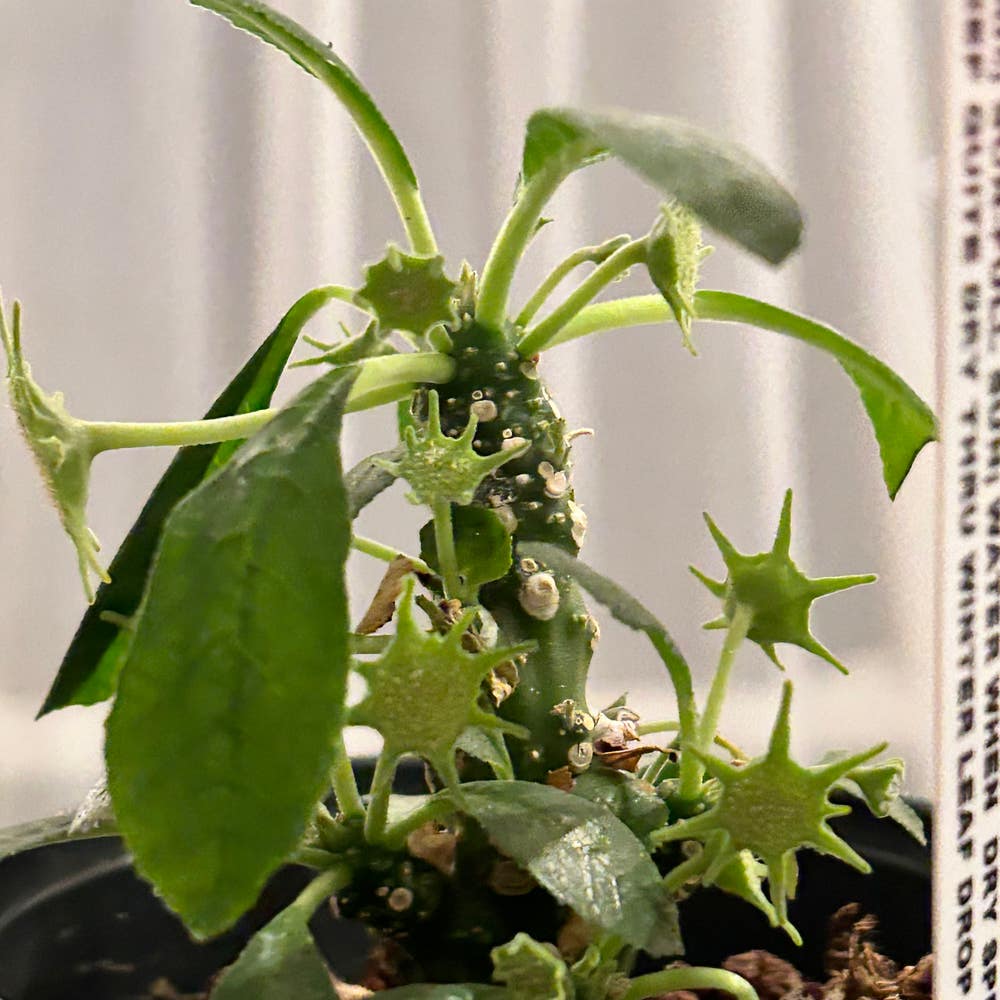
Dorstenia horwoodii, often lumped with Dorstenia foetida, is a perennial succulent that surprises with its blooms. Inflorescences emerge on long peduncles, signaling a forthcoming floral display. Look for greenish, disk-like structures with star-like appendages—these are the pre-show to the main event.
🎉 A Blooming Rarity: Why It's a Big Deal
Blooms on your Dorstenia horwoodii are like a high-five from Mother Nature—they mean you're doing something right. Flowering is a sign of optimal health and environmental satisfaction. It's a rare occasion that underscores your plant's vitality, so when those flowers do appear, take a moment to bask in your horticultural success.
The Perfect Bloom Environment
💡 Light It Up: The Role of Sunshine
Dorstenia horwoodii demands its daily dose of bright, indirect sunlight. Too much direct sun and you risk leaf burn; too little and your plant won't perform. As seasons shift, reposition your plant to maintain this delicate balance—shade in summer, sunny windowsill in winter.
🌡 Feeling the Heat: Temperature Needs
The ideal temperature to coax Dorstenia horwoodii into blooming is a steady 65-75°F (18-24°C). Avoid dramatic shifts that can throw your plant's game off. Consistency is key; think of maintaining temperature like keeping a steady hand on the wheel.
💦 Humidity Hints: Moisture Matters
Humidity should hover around 40-60%. It's a tightrope walk—too dry, and the plant won't thrive; too damp, and you invite fungal gate-crashers. Use a misting bottle to finesse the moisture levels, but don't turn your plant corner into a misty rainforest.
Timing is Everything: Seasonal Blooming Secrets
🌸 Nature's Clock: Aligning with the Seasons
Dorstenia horwoodii doesn't just bloom on a whim; seasons dictate its showtime. To see those elusive flowers, sync your care routine with the plant's internal calendar. Spring usually cues the start of the blooming period, so that's your signal to step up your game. Increase watering and ensure the plant gets ample light to mimic the longer days ahead.
🌼 Off-Season Blooms: Can You Trick Mother Nature?
Attempting to outsmart the seasons for an off-cycle bloom? It's a gamble, but stress can sometimes prompt flowers. Try reducing temperatures or altering light patterns to mimic seasonal changes. But remember, forcing a Dorstenia horwoodii to bloom out of season is like trying to push a river—it might just push back. Instead, focus on providing consistent care and let nature take its lead.
After the Bloom: Ensuring Continued Flowering
🌸 Post-Bloom Care: Keeping the Momentum
After your Dorstenia horwoodii has finished blooming, it's time to get proactive. Deadheading is your first step; snip off those spent blooms to redirect the plant's energy. This isn't just busywork—it's essential for setting up the next round of flowering.
Next, ease up on the watering. Think of it as giving your plant a well-deserved break after a job well done. This rest period is crucial; it's when your plant gathers strength for the next blooming cycle.
🐞 Troubleshooting: When Blooms Don't Happen
If your Dorstenia horwoodii is playing hard to get with its blooms, don't panic—troubleshoot. First, check the lighting. These plants are like solar panels; they need consistent light to charge up for blooming.
Pests and diseases can be the party poopers of the plant world. Keep an eye out for uninvited guests and show them the door with proper pest control. Healthy plants are more likely to bloom, so play bouncer when needed.
Lastly, consider the soil and roots. If your plant's foundation is shaky, blooms might be a no-show. Ensure the soil is well-draining and the roots are healthy. Sometimes, a little root TLC is all it takes to get back on the blooming track.
⚠️ Safety First
This content is for general information and may contain errors, omissions, or outdated details. It is not medical, veterinary advice, or an endorsement of therapeutic claims.
Always consult a qualified healthcare professional before using any plant as food, medicine, or supplement.
Never eat any plant (or feed one to pets) without confirming its identity with at least two trusted sources.
If you suspect poisoning, call Poison Control (800) 222-1222, the Pet Poison Helpline (800) 213-6680, or your local emergency service immediately.
Spotted an error? Please report it here.
Enjoy your Dorstenia horwoodii's blooms 🌼 effortlessly with Greg's tailored care reminders, ensuring it thrives in the ideal home environment year-round!