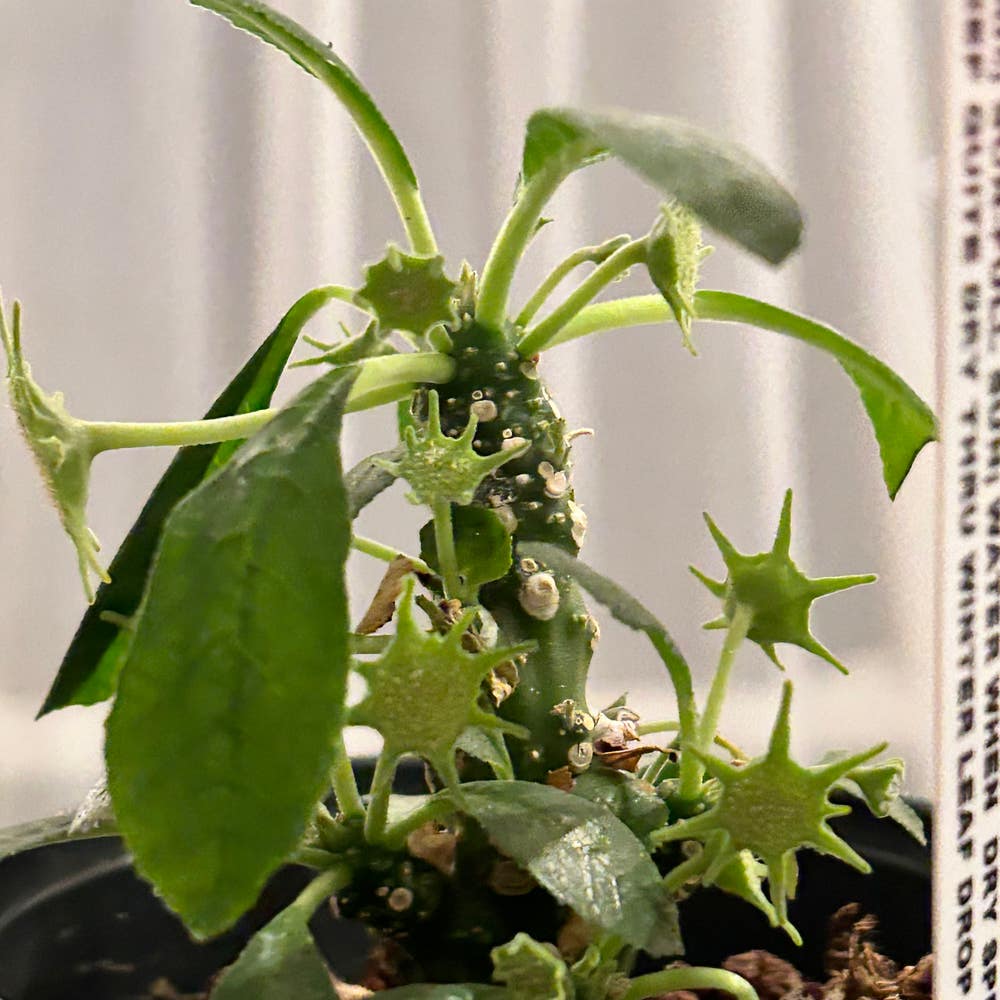
🌱 Ultimate Guide for When to Plant Horwood's Dorstenia
Dorstenia horwoodii
By the Greg Editorial Team
Sep 30, 2024•5 min read
This article was created with the help of AI so we can cover more plants for you. May contain errors. See one? Report it here.
- 🌱 Plant Horwood's Dorstenia after the last frost for optimal growth and protection.
- 🌡️ Soil temperature must exceed 65°F (18°C) for successful germination and thriving plants.
- 🗺️ Regional planting times vary; know your area's best months for planting success.
Timing for Planting
🌨️ Importance of Frost Dates
The last frost date marks the average date in spring when frost is no longer a threat. Planting after this date is crucial to protect young Horwood's Dorstenia plants from damaging cold temperatures.
🌡️ Soil Temperature Considerations
Ideal Soil Temperature
For successful germination and growth, soil temperatures should consistently exceed 65°F (18°C). A soil thermometer is your best friend here; it ensures you're planting at the right time.
Factors Affecting Soil Temperature
Soil temperature can vary based on several factors:
- Sun Exposure: Areas basking in full sun warm up faster than shaded spots.
- Soil Type: Well-draining soils heat up more quickly than heavy clay soils, making them ideal for planting.
🌞 Day Length and Growth
Importance of Day Length
Horwood's Dorstenia thrives under specific light conditions. Longer days, ideally between 14-16 hours, are essential for promoting vigorous growth and flowering.
Monitoring Day Length
To determine the best planting time, consider using a light meter or simply observe the natural light conditions. This will help you align your planting schedule with the plant's needs.
With these timing considerations in mind, you're well on your way to ensuring a successful planting season for Horwood's Dorstenia. Next, let’s explore regional planting considerations to fine-tune your planting strategy.
Regional Planting Considerations
🌱 Ideal Planting Months
When it comes to planting Horwood's Dorstenia, timing is everything. Different regions have unique climates that dictate the best months for planting.
Florida: April to May
In Florida, the warm temperatures and minimal frost risk make April to May the perfect window. This period allows for optimal growth without the threat of cold snaps.
California: March to April
California's mild climate and longer day lengths from March to April create ideal conditions. The consistent warmth supports healthy development and flowering.
Texas: April to May
Texas also enjoys warm soil temperatures and low frost risk during April to May. This timing ensures that your plants can thrive right from the start.
New York: Late May to Early June
In New York, late May to early June is crucial due to the risk of late frosts. This timeframe allows the soil to warm adequately before planting.
Colorado: Late May to Early June
For Colorado, the higher elevation means late frost dates, making late May to early June the best choice. This timing helps avoid any chilly surprises.
Ohio: Late May
Ohio's planting window is also late May, focusing on soil temperature and frost considerations. This ensures that the conditions are just right for your Horwood's Dorstenia.
Understanding these regional planting considerations will set you up for success. Next, let’s dive into seed starting techniques to maximize your planting efforts.
Seed Starting Techniques
Indoor Seed Starting vs. Direct Sowing 🌱
Indoor seed starting offers several advantages. You can get a head start on the growing season and maintain better control over environmental conditions.
To maximize success, aim to start seeds indoors 6-8 weeks before the last frost date. This timing allows young plants to establish before facing outdoor challenges.
On the other hand, direct sowing is a straightforward method. It simplifies the planting process and minimizes transplant shock, which can be stressful for young plants.
For direct sowing, wait until after the last frost date when soil temperatures are consistently optimal. This ensures your seeds have the best chance for successful germination.
Timing Considerations ⏰
Monitoring soil temperature is crucial for seed starting. Ensure it remains above 65°F (18°C) to promote healthy germination.
Additionally, consider your light requirements. If natural light falls short, using grow lights can help your seedlings thrive. This way, you can provide the necessary light conditions for robust growth.
By understanding these seed starting techniques, you set the stage for a flourishing garden. Next, let’s explore the comprehensive planting guide to ensure you’re fully prepared for success.
Comprehensive Planting Guide
Summary of Key Factors 🌱
When planting Horwood's Dorstenia, three critical elements come into play: frost dates, soil temperature, and day length. Understanding these factors ensures that your plants thrive and produce vibrant growth.
Frost dates are essential; planting after the last frost protects young plants from cold damage. Soil temperature should consistently exceed 65°F (18°C) for optimal germination and growth. Additionally, day length significantly influences growth, with longer days (14-16 hours) promoting vigorous flowering.
Regional considerations are equally important. Different areas have unique climates and planting windows, so knowing your local conditions can make all the difference. Specific planting techniques, whether starting seeds indoors or direct sowing, also play a role in achieving the best results.
List of All 52 States and Optimal Planting Times 🌍
Here's a quick reference for optimal planting times across the U.S.:
| State | Optimal Planting Time |
|---|---|
| Florida | April to May |
| California | March to April |
| Texas | April to May |
| New York | Late May to early June |
| Colorado | Late May to early June |
| Ohio | Late May |
This list continues with other states, ensuring you have a comprehensive guide to planting Horwood's Dorstenia effectively. Understanding these timelines will help you cultivate a thriving garden, tailored to your region's unique climate.
With this knowledge in hand, you're ready to dive into the next steps of seed starting techniques!
⚠️ Safety First
This content is for general information and may contain errors, omissions, or outdated details. It is not medical, veterinary advice, or an endorsement of therapeutic claims.
Always consult a qualified healthcare professional before using any plant as food, medicine, or supplement.
Never eat any plant (or feed one to pets) without confirming its identity with at least two trusted sources.
If you suspect poisoning, call Poison Control (800) 222-1222, the Pet Poison Helpline (800) 213-6680, or your local emergency service immediately.
Spotted an error? Please report it here.
Plant your Horwood's Dorstenia at the right time 🌞 with Greg's personalized reminders and tips tailored to your local climate for thriving success!